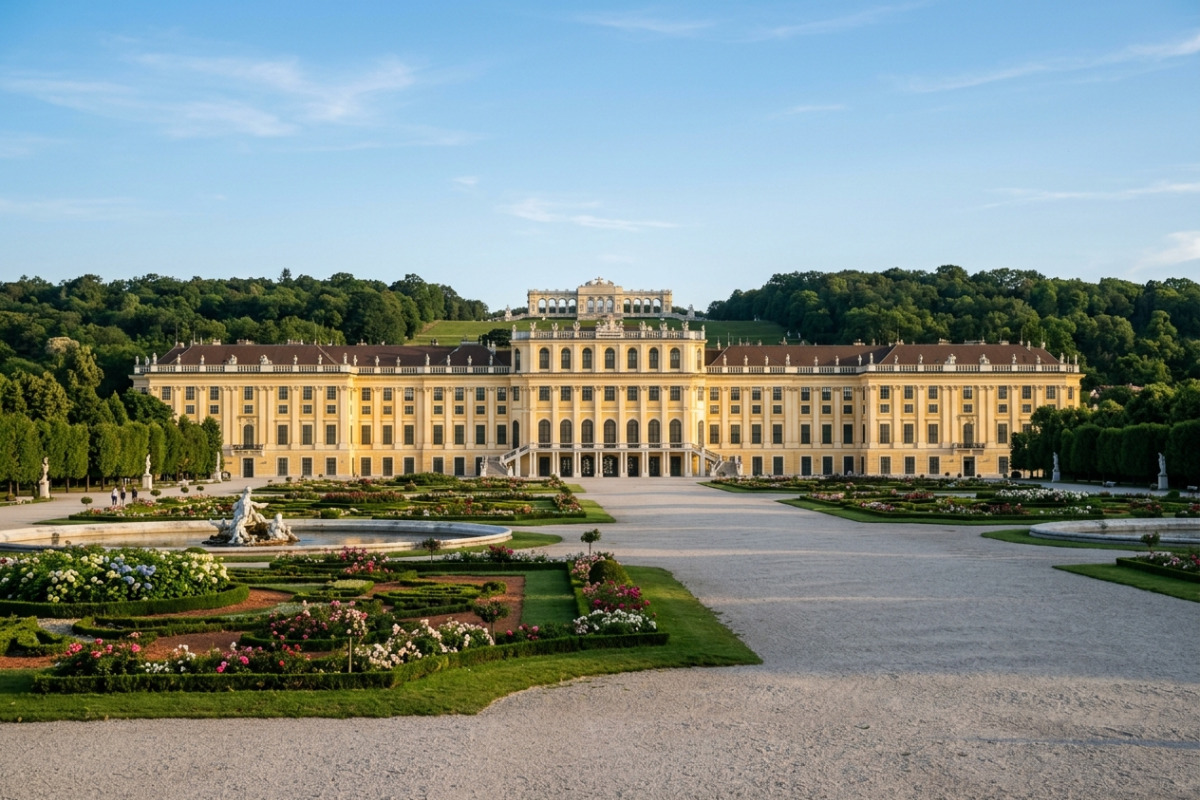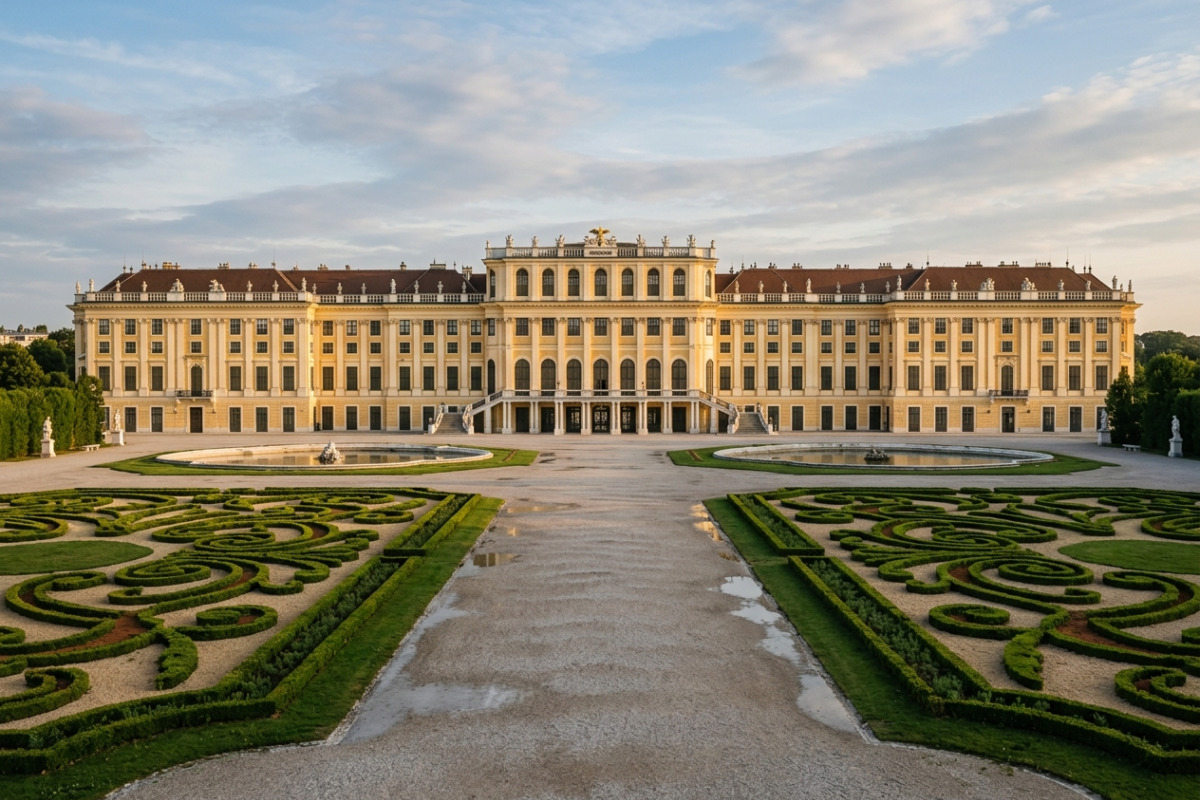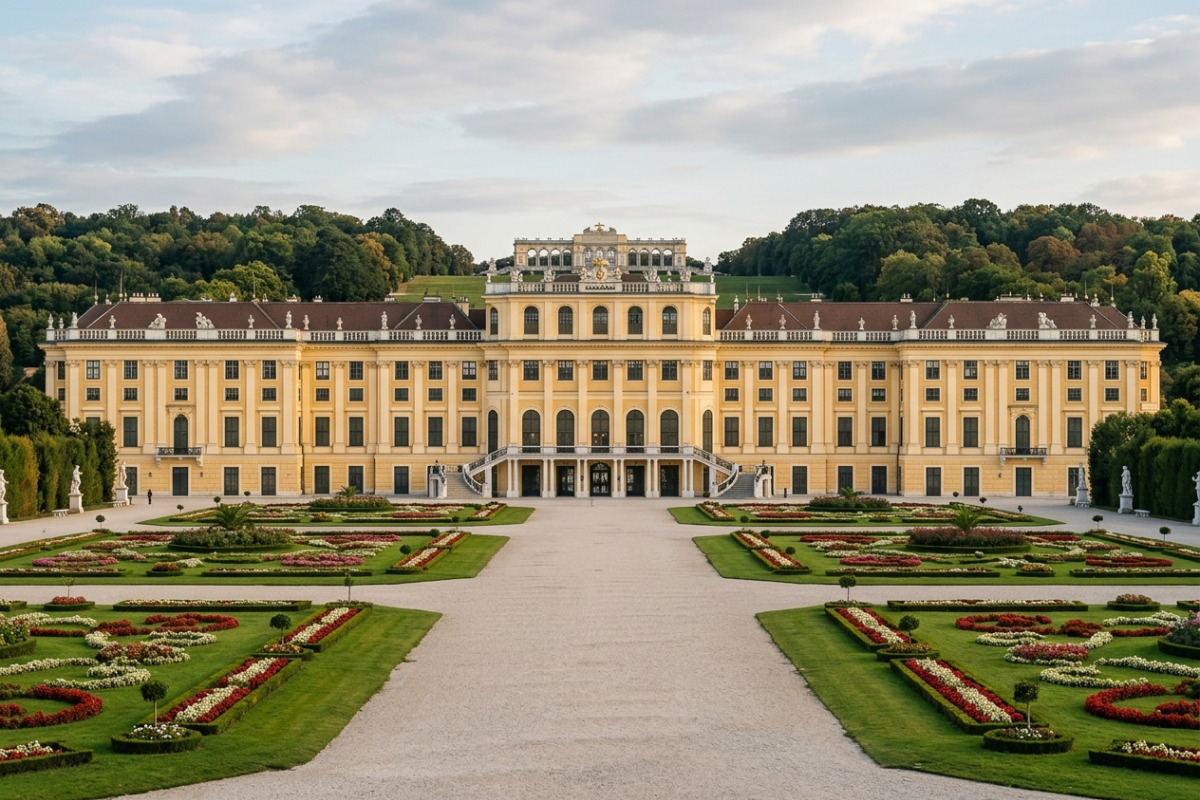
Schönbrunn Palace stands as a testament to Austria's rich imperial history, captivating visitors with its stunning architecture and opulent interiors. However, beneath its majestic facade lies a complex narrative of architectural evolution that reflects the tastes and ambitions of its royal inhabitants. Understanding these hidden layers not only enhances your appreciation of the palace but also offers a deeper insight into the cultural fabric of its time.
The Architectural Evolution of Schönbrunn Palace
The construction of Schönbrunn Palace began in the early 18th century, under the reign of Emperor Leopold I. Originally designed as a hunting lodge, the building underwent significant transformations to accommodate the Habsburg dynasty's aspirations for grandeur. Each renovation brought new architectural influences, from Baroque to Rococo, showcasing the evolving aesthetic preferences of the time.
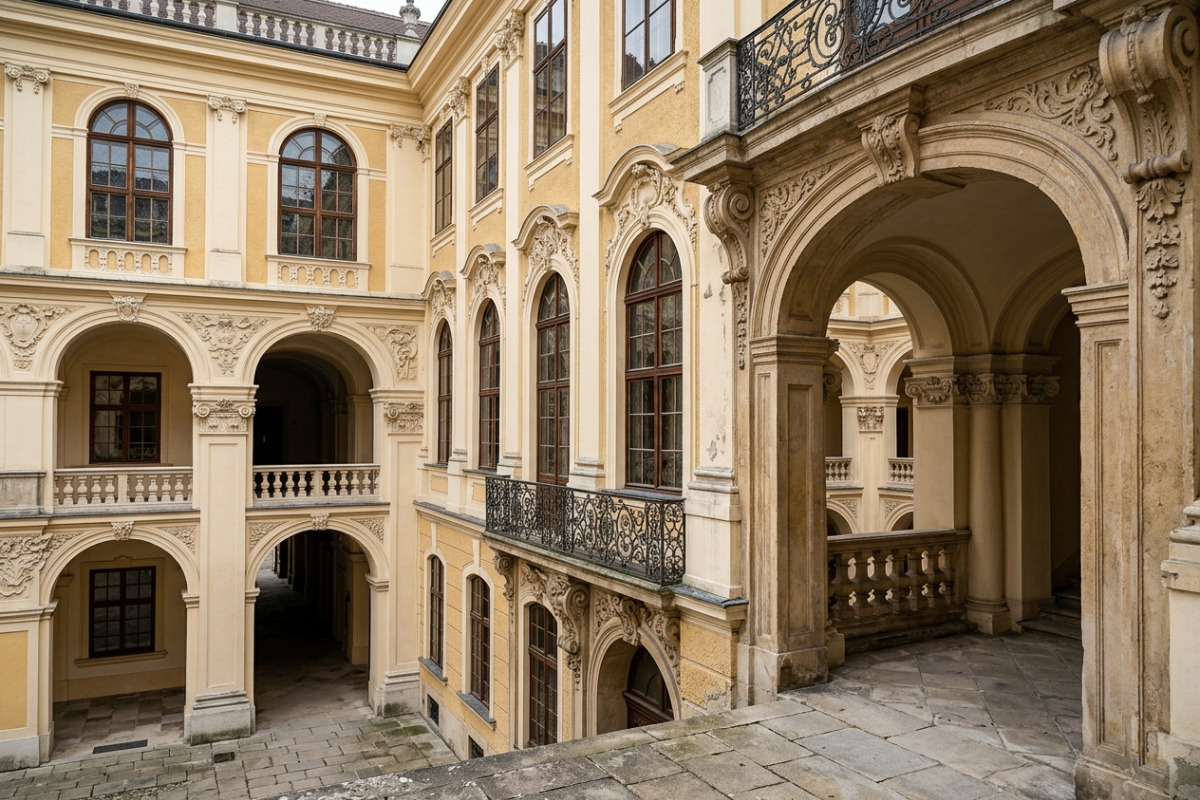
One of the most notable architects involved in its redesign was Johann Bernhard Fischer von Erlach, whose vision shaped much of the palace's current structure. He introduced elements that blended functionality with opulence, creating a space that was both a residence and a symbol of power. As you explore the palace, pay attention to the intricate details in the ceiling frescoes and wall decorations, which reveal the artistic trends that influenced their creation.
The Symbolism Behind the Design Elements
Schönbrunn Palace is not just an architectural marvel; it is also a canvas of symbolism. Every room, from the lavish Imperial Apartments to the exquisite Great Gallery, is designed with meaningful motifs that reflect the ideals and aspirations of the Habsburgs. For example, the use of gold leaf and elaborate stucco work in the Chinese Cabinets signifies not only wealth but also the empire's far-reaching trade connections and cultural exchanges.
Furthermore, the arrangement of rooms follows a specific hierarchy that mirrors the social structure of the court. The grand entrance leads to the more intimate family spaces, indicating the blend of public and private life that was central to imperial existence. As you walk through these spaces, consider how their design reflects the dynamics of power and family in the Habsburg lineage.
The Gardens: An Extension of Architectural Philosophy
The gardens surrounding Schönbrunn Palace are just as essential to understanding its architectural significance. Designed in the French formal style, the gardens embody the same principles of symmetry and order that characterize the palace itself. They were not merely ornamental; instead, they served as an extension of the palace's grandeur, designed to impress visitors and showcase the Habsburgs' control over nature.
As you stroll through the meticulously manicured lawns and intricate pathways, notice how the garden's layout complements the architectural lines of the palace. The Gardens & Outdoor Areas are a testament to the Baroque philosophy of harmonizing man-made structures with the natural environment, offering a serene escape that contrasts with the opulence of the palace interiors.
Visiting Schönbrunn: A Journey Through Time
When you plan your visit to Schönbrunn Palace, taking the time to appreciate its architectural depths will enhance your experience significantly. To fully immerse yourself in its history, consider joining a guided tour that highlights not only the main attractions but also the lesser-known architectural details that define this historic site. Don't forget to check the Tickets page to secure your entry and avoid long waits.
Moreover, the palace hosts various exhibitions that delve into its architecture and historical significance, allowing you to explore its story from different perspectives. Make sure to allocate enough time to wander through both the palace and the surrounding gardens, as each corner holds a piece of the Habsburg legacy waiting to be discovered.
Conclusion: Embrace the Rich History of Schönbrunn Palace
Schönbrunn Palace is more than just a stunning architectural feat; it is a historical narrative captured in stone, art, and nature. By exploring its hidden layers, you can gain a richer understanding of Austria's imperial past. Whether you're an architecture enthusiast or a casual visitor, the palace offers a unique glimpse into the grandeur of the Habsburg dynasty. Don’t miss the chance to uncover these layers during your visit — check out the Visiting Information for tips on how to make the most of your journey.