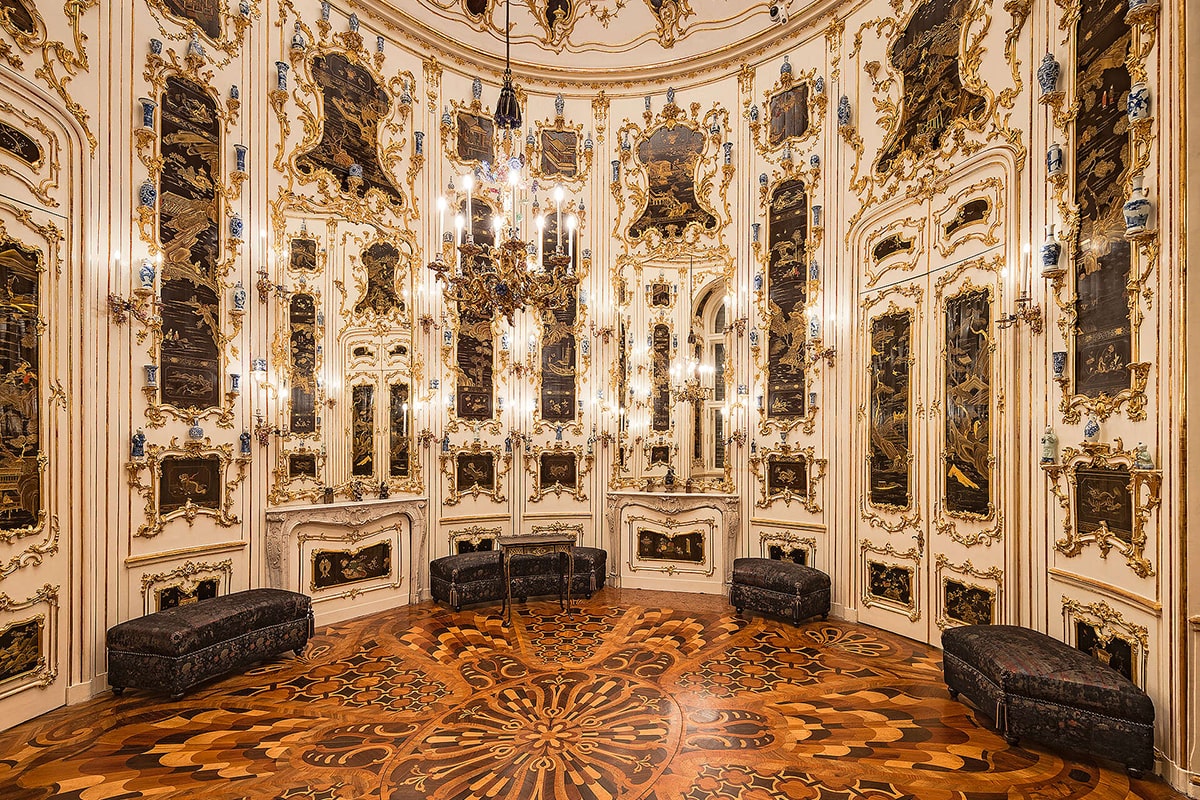
Schönbrunn Palace, a magnificent testament to Austrian history and imperial grandeur, holds countless treasures within its walls. Among the most captivating are the Chinese Cabinets, two intimate rooms that offer a fascinating glimpse into the 18th-century fascination with East Asia. These spaces, far from being mere displays of exotic artifacts, served a crucial role in the political and social life of Empress Maria Theresa.
A Glimpse into Maria Theresa's Private World
Imagine stepping into a world where East meets West, where delicate lacquer panels depict scenes of Chinese life and culture, and where the air is thick with the scent of history. The Chinese Cabinets at Schönbrunn Palace are precisely that: a portal into the private world of Maria Theresa. These rooms, smaller and more intimate than the grand state rooms, provided a sanctuary for the Empress, a place where she could conduct private audiences, hold diplomatic meetings, and escape the pressures of court life.
Maria Theresa, a shrewd and powerful ruler, understood the importance of cultural diplomacy. The Chinese Cabinets were not just a reflection of her personal taste; they were a deliberate statement of her global outlook and her desire to engage with the world beyond Europe. By surrounding herself with objects and imagery from East Asia, she signaled her interest in trade, diplomacy, and cultural exchange.
The Art of Chinoiserie and East Asian Influence
The defining feature of the Chinese Cabinets is, of course, the exquisite chinoiserie that adorns the walls. Chinoiserie, a European interpretation of Chinese and East Asian artistic styles, was immensely popular in the 18th century. It blended European aesthetics with elements of Chinese design, creating a unique and often fanciful style. In the Chinese Cabinets, this is evident in the intricate lacquer panels, the delicate porcelain figurines, and the overall decorative scheme.
Key Elements of the Chinese Cabinets' Design:
- Lacquer Panels: The walls are covered in stunning lacquer panels, often depicting scenes of Chinese landscapes, figures, and flora and fauna. These panels were meticulously crafted and imported from East Asia, showcasing the high level of artistry and craftsmanship of the time.
- Chinoiserie Motifs: Look closely, and you'll spot a variety of chinoiserie motifs, including pagodas, dragons, and exotic birds. These elements were incorporated into the design to evoke a sense of the Far East and to create a visually stimulating environment.
- Furniture and Furnishings: The furniture in the Chinese Cabinets is equally impressive, featuring elegant chairs, tables, and cabinets that complement the overall design. Many of these pieces are adorned with lacquer or inlaid with mother-of-pearl, further enhancing the exotic feel of the rooms.
The Significance of the Cabinets in Schönbrunn Palace
The Chinese Cabinets are more than just beautiful rooms; they are an integral part of the Schönbrunn Palace experience. They offer a unique perspective on the palace's history and the cultural influences that shaped it. By exploring these intimate spaces, visitors can gain a deeper understanding of Maria Theresa's reign and her vision for Austria.
The cabinets also highlight the importance of cultural exchange and the interconnectedness of the world, even in the 18th century. The fascination with East Asia that is evident in the Chinese Cabinets reflects a broader European interest in exploring and understanding different cultures. This interest led to increased trade, diplomatic relations, and the exchange of ideas, all of which contributed to the development of European society.
Planning Your Visit to the Chinese Cabinets
When planning your visit to Schönbrunn Palace, be sure to include the Chinese Cabinets on your itinerary. These rooms are typically included in the Grand Tour of the palace, which offers a comprehensive overview of the palace's history and its most important rooms. Allow ample time to explore the cabinets and to appreciate the intricate details of their design. Consider joining a guided tour to learn more about the history and significance of these fascinating spaces.
To further enhance your experience, consider reading about Maria Theresa and the history of Schönbrunn Palace before your visit. This will provide you with a deeper understanding of the context in which the Chinese Cabinets were created and the role they played in the life of the Empress.
Schönbrunn Palace: A Must-See Attraction
Beyond the Chinese Cabinets, Schönbrunn Palace offers a wealth of other attractions, including the magnificent state rooms, the sprawling gardens, and the Gloriette, a stunning architectural landmark that offers panoramic views of Vienna. Whether you are interested in history, art, or simply enjoying the beauty of a bygone era, Schönbrunn Palace is a must-see destination for any visitor to Vienna.
Here is a quick overview of some of the key attractions within Schönbrunn Palace:
| Attraction | Description |
| State Rooms | Lavishly decorated rooms used for official receptions and ceremonies. |
| Gardens | Extensive and beautifully landscaped gardens with fountains, sculptures, and hidden pathways. |
| Gloriette | A monumental arch on top of the hill offering stunning views of Vienna. |
| Imperial Apartments | Private living quarters of Emperor Franz Joseph and Empress Elisabeth. |
The Chinese Cabinets at Schönbrunn Palace offer a unique and unforgettable glimpse into the world of Maria Theresa and the 18th-century fascination with East Asia. Don't miss the opportunity to explore these exquisite rooms and to discover the rich history and artistic influences that have shaped this magnificent palace.