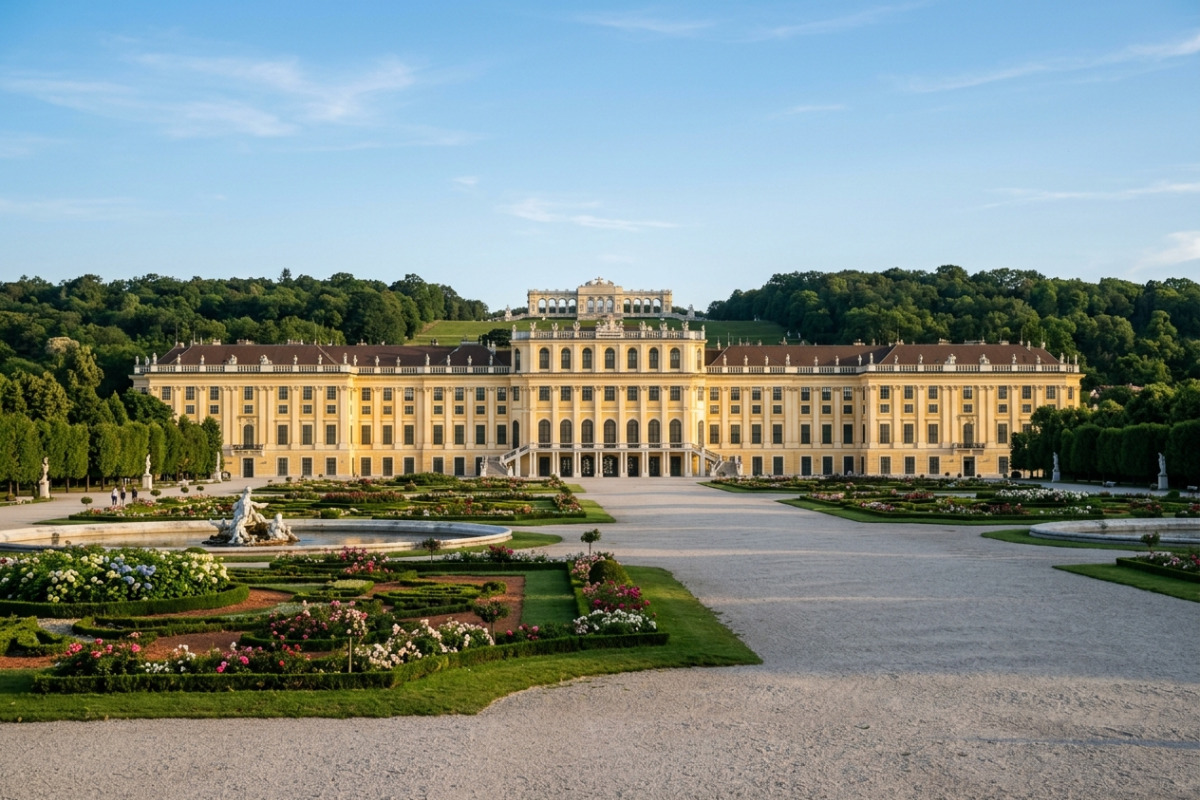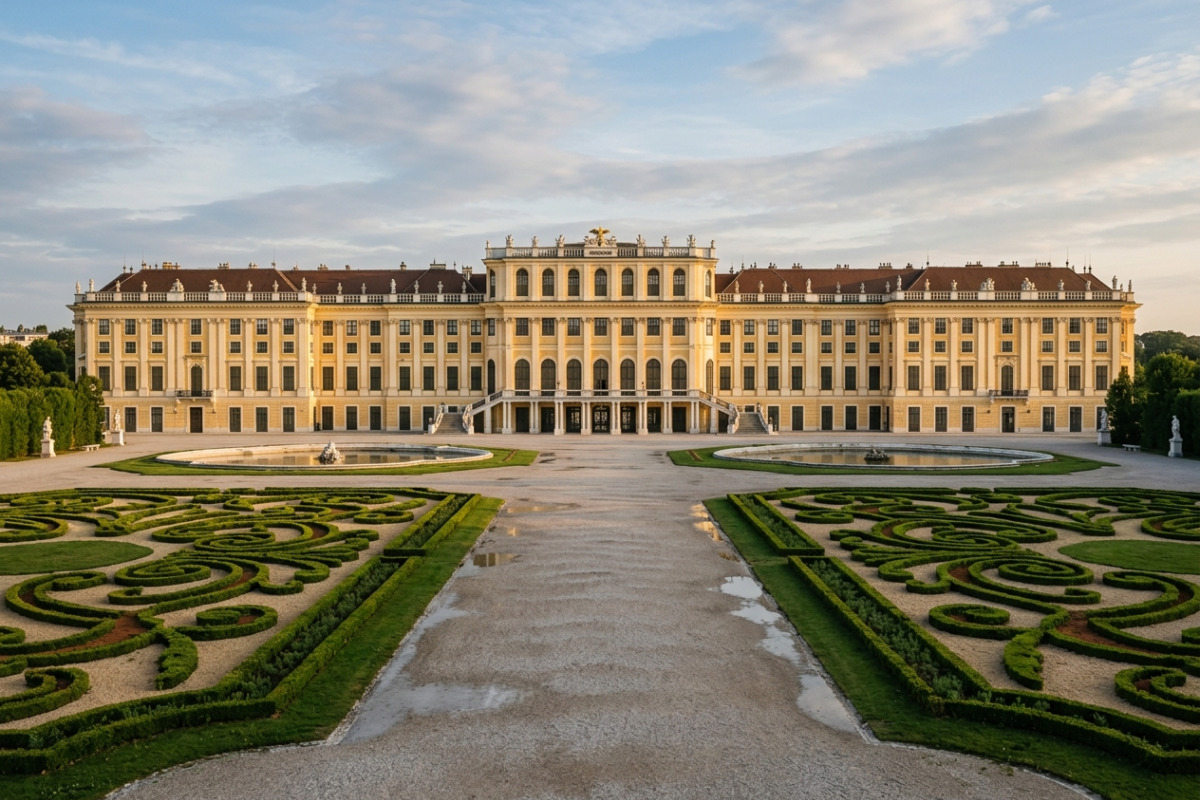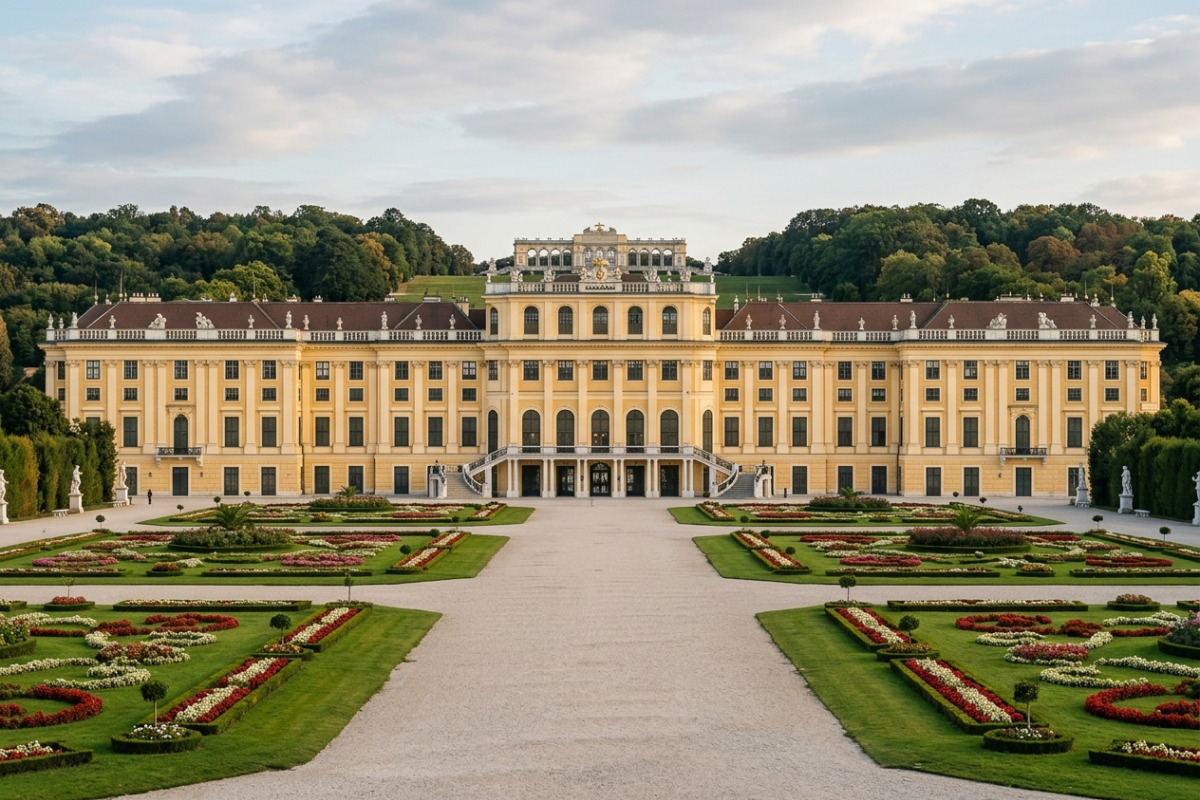
Schönbrunn Palace stands as a majestic symbol of Austria's imperial past, embodying not just architectural excellence but also profound cultural significance. This UNESCO World Heritage site, with its opulent rooms and meticulously landscaped gardens, is a testament to the artistic ambitions of the Habsburg dynasty. Understanding the cultural importance of Schönbrunn offers visitors a richer context for their exploration, revealing how the palace has influenced Vienna's identity through the centuries.
The Palace as a Cultural Hub
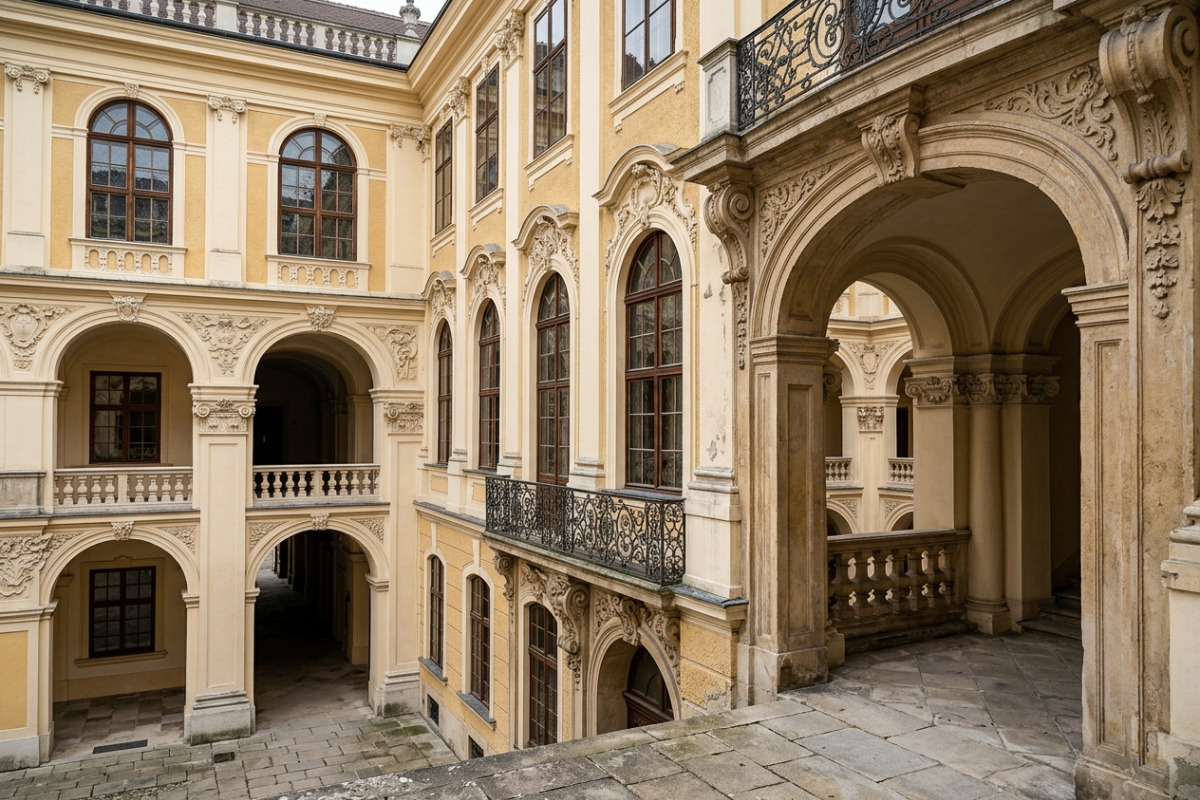
Throughout its history, Schönbrunn has been more than a royal residence; it has served as a vibrant cultural hub. From hosting grand imperial balls to pivotal political meetings, the palace has witnessed significant historical events that shaped Austria. The lavish interiors, such as the Great Gallery, are adorned with exquisite artworks and furnishings that reflect the aesthetic values of their time. Each room tells a story of opulence and power, inviting visitors to step back into the lives of the Habsburgs.
Moreover, the palace grounds have been the backdrop for numerous cultural events, including concerts and exhibitions that celebrate Austria’s rich artistic heritage. The gardens, with their intricate designs and seasonal displays, further enhance Schönbrunn's role as a cultural landmark, making it a dynamic space where history and art converge.
Architectural Influence and Artistic Expression
The architectural design of Schönbrunn Palace is a masterclass in Baroque style, heavily influenced by Italian Renaissance principles. This aesthetic choice not only reflects the grandeur of the Habsburgs but also set a precedent for Viennese architecture. The integration of nature and architecture is evident in the palace's gardens, where each element is carefully planned to create a harmonious visual experience.
Artistic expression at Schönbrunn extends beyond its physical structure. The palace has been a patron of the arts, supporting musicians, painters, and architects. This legacy continues today, with the palace hosting various cultural programs that aim to educate and inspire new generations. Events like the annual concerts in the Orangery showcase the palace's ongoing commitment to fostering artistic talent.
Preservation of Cultural Heritage
As an emblem of Austria’s cultural heritage, the preservation of Schönbrunn Palace is of utmost importance. Restoration efforts ensure that this historical site remains intact for future generations to appreciate and learn from. These initiatives not only focus on the physical structure but also aim to maintain the stories and traditions associated with the palace.
Visitors can engage with this heritage through guided tours, which provide insights into the palace's history and significance. To plan your visit, check the visiting information for details on tickets and guided tours that enhance your understanding of this cultural treasure.
Conclusion: A Must-Visit Cultural Landmark
In conclusion, Schönbrunn Palace is more than a stunning architectural feat; it is a cultural landmark that encapsulates the artistic and historical essence of Austria. Exploring its halls and gardens allows visitors to connect with the rich tapestry of European history. As you plan your visit, don't forget to secure your tickets in advance at this link. Immerse yourself in the cultural significance of Schönbrunn, and let its stories inspire you.