Schönbrunn Palace stands as a testament to the grandeur of imperial Austria, capturing the imagination of visitors with its opulent history and stunning architecture. As you wander through its lavish rooms and expansive gardens, you may find yourself pondering the stories that shaped this majestic residence. This article delves into the intriguing historical journey of Schönbrunn Palace, highlighting its transformation from a hunting lodge to a symbol of imperial power.
The Early Beginnings: From Hunting Lodge to Imperial Residence
Constructed in the 17th century, Schönbrunn was initially built as a modest hunting lodge for Emperor Leopold I. However, its strategic location and picturesque surroundings quickly led to its expansion. By the time Maria Theresa ascended to the throne in the 18th century, Schönbrunn was transformed into a grand summer residence, reflecting her ambition and the wealth of the Habsburg dynasty.
Maria Theresa's vision for Schönbrunn was not merely about aesthetics; it was about creating a cultural hub that would reinforce her family's status. The palace became a center for political meetings, cultural gatherings, and diplomatic negotiations, underscoring its significance in the broader context of European history.
Architectural Marvels: A Blend of Styles
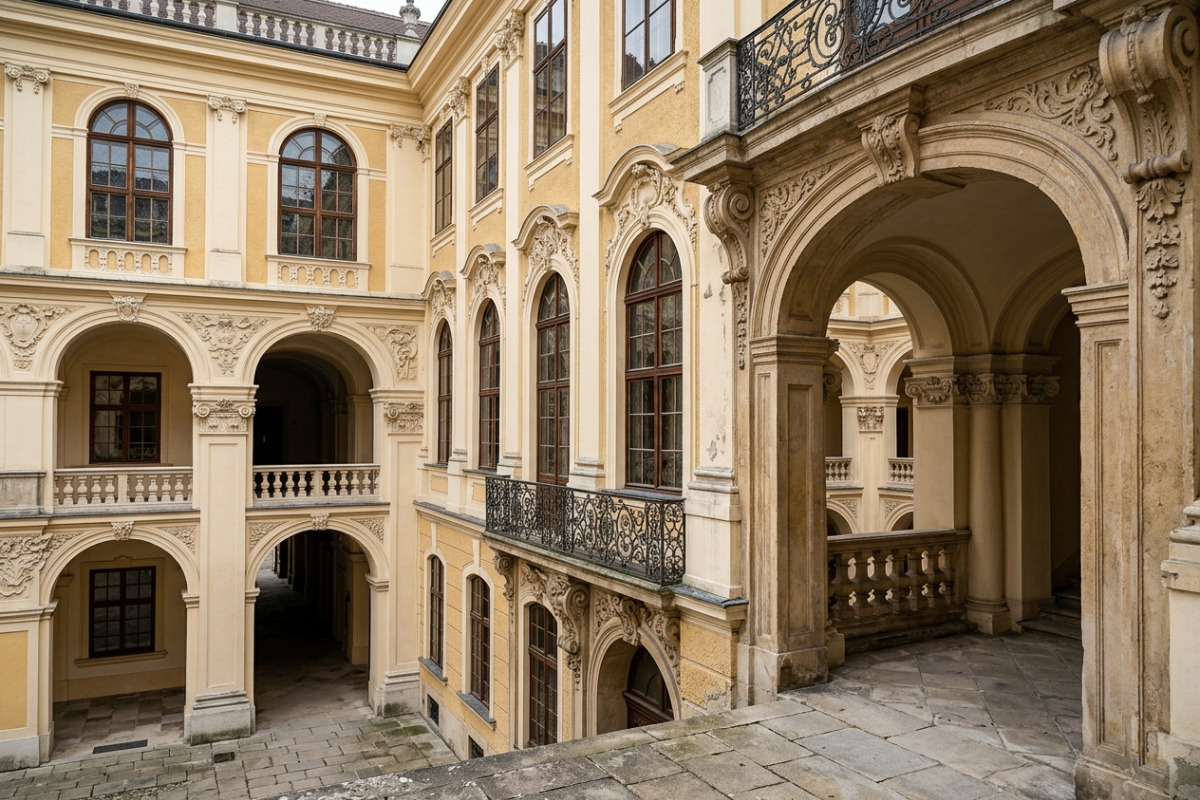
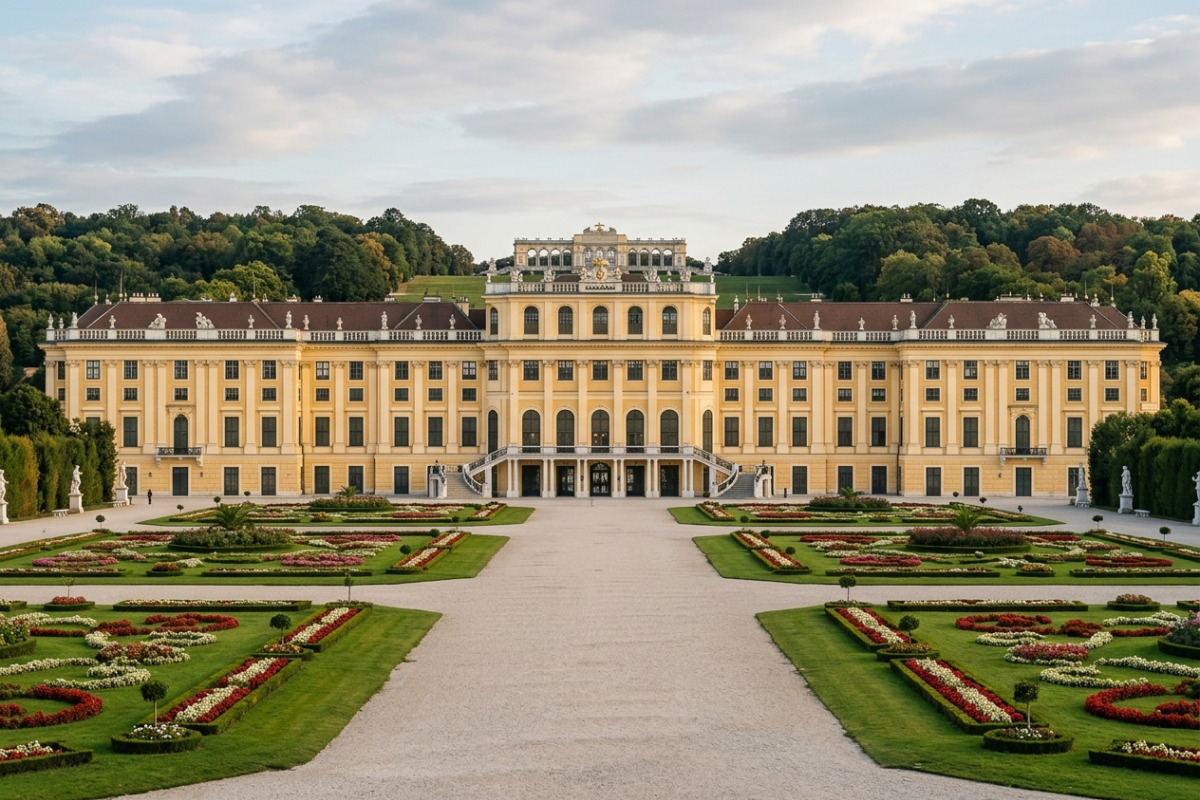
The architecture of Schönbrunn is a fascinating tapestry of various styles, primarily Baroque, which has evolved over centuries. The palace features a harmonious blend of opulent interiors and meticulously landscaped gardens, designed to impress both guests and rivals alike. The Great Gallery, with its stunning frescoes and intricate detailing, serves as a highlight of the palace's interior, showcasing the artistic prowess of its time.
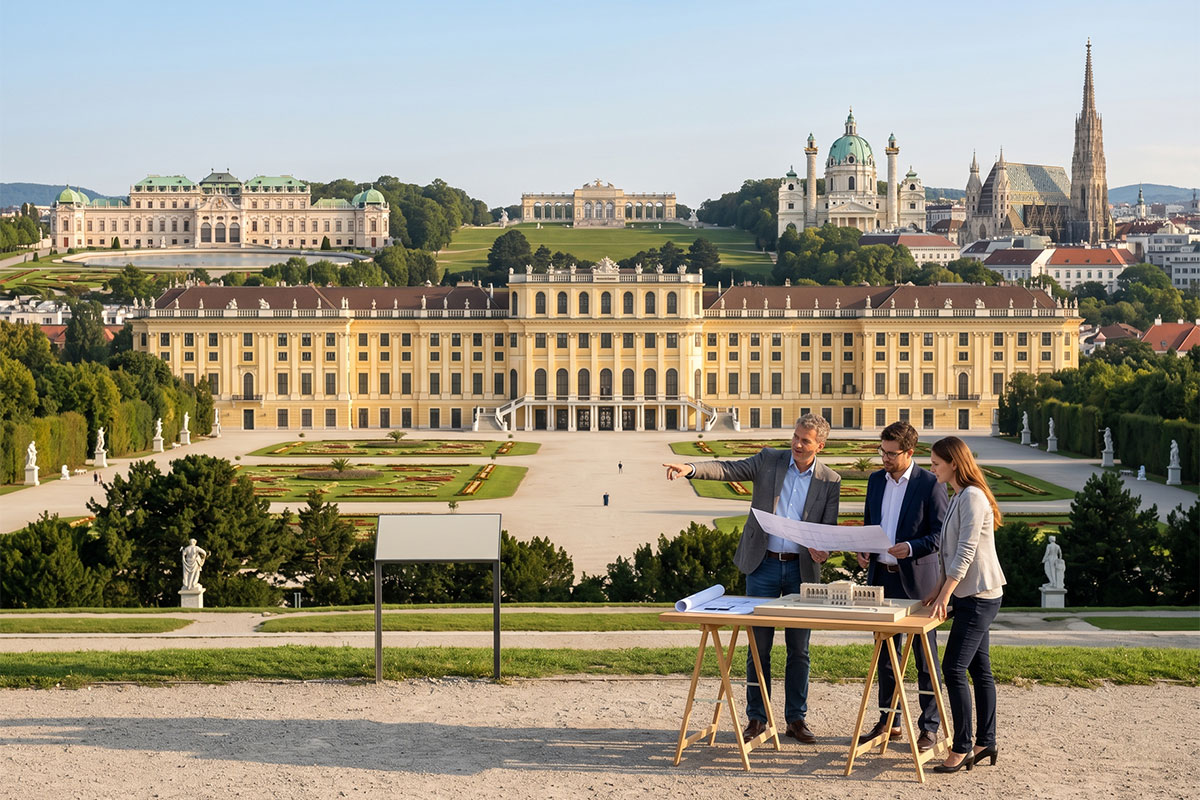
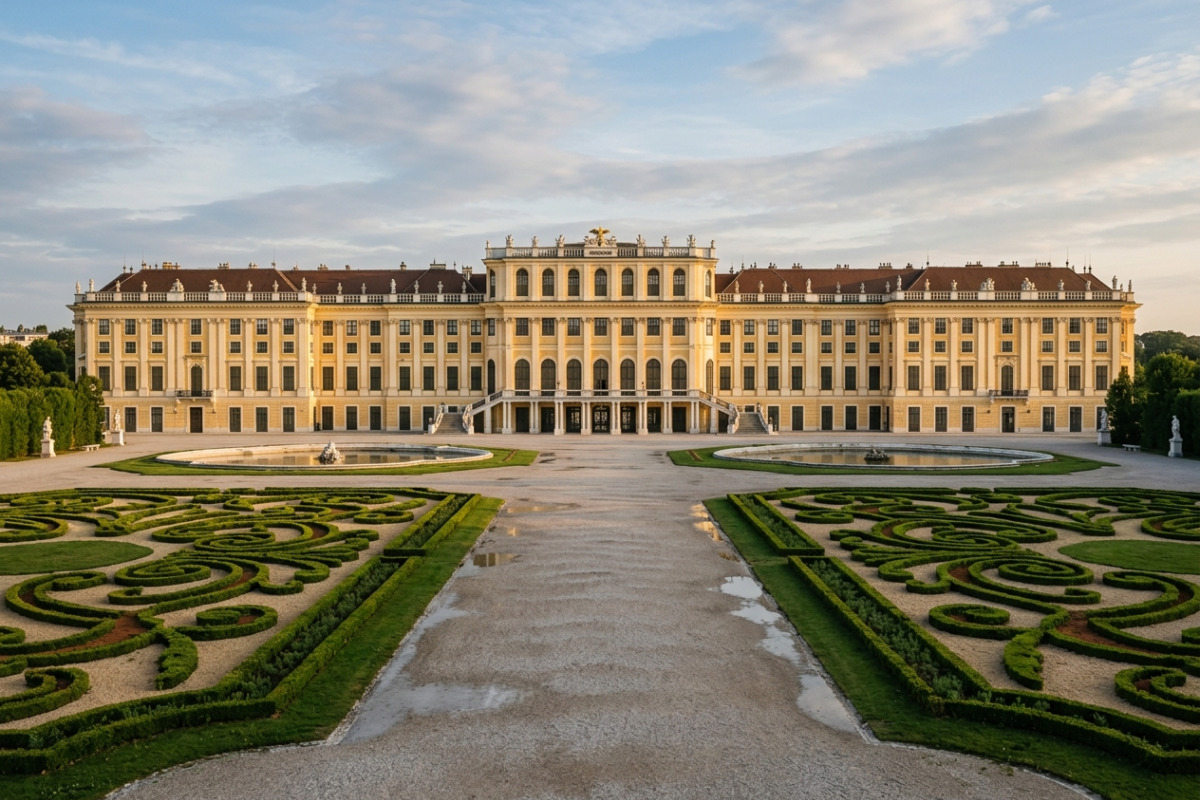
Beyond the palace itself, the gardens are a remarkable aspect of Schönbrunn's design. With their symmetrical layouts and ornamental features, they exemplify the principles of Baroque landscape architecture. The Gloriette, perched on a hill overlooking the gardens, not only offers splendid views but also symbolizes the imperial ambitions of the Habsburgs.
Schönbrunn in Modern Times: Preservation and Cultural Significance
As one of Austria's most visited attractions, Schönbrunn Palace has embraced its role as a cultural landmark in the modern era. Efforts to preserve its rich history have been paramount, ensuring that future generations can appreciate its beauty and significance. The palace was designated a UNESCO World Heritage Site in 1996, recognizing its outstanding universal value and the necessity of its protection.
Today, Schönbrunn hosts various cultural events, concerts, and exhibitions, bridging the gap between its imperial past and contemporary society. A visit to Schönbrunn is not only an exploration of royal history but also an opportunity to engage with the vibrant cultural life of Vienna.
Visiting Schönbrunn: A Journey Through Time
For those eager to experience the majesty of Schönbrunn Palace, planning your visit is essential. The palace offers a range of tickets and tours, allowing you to choose how deeply you wish to explore its historical depths. Be sure to check out the Tickets page for various options available to visitors.
Whether you are interested in the imperial apartments, the charming Orangery, or the breathtaking gardens, Schönbrunn promises a journey through time that celebrates its rich history and cultural significance. Don't miss the chance to immerse yourself in this royal legacy.
Conclusion: Embrace the Legacy of Schönbrunn
As you conclude your exploration of Schönbrunn Palace, remember that its legacy extends far beyond its majestic walls. This iconic site is a reflection of Austria's historical narrative, cultural achievements, and architectural wonders. To delve deeper into the historical context and visiting details, check out the History and Visiting Information pages to enhance your experience.