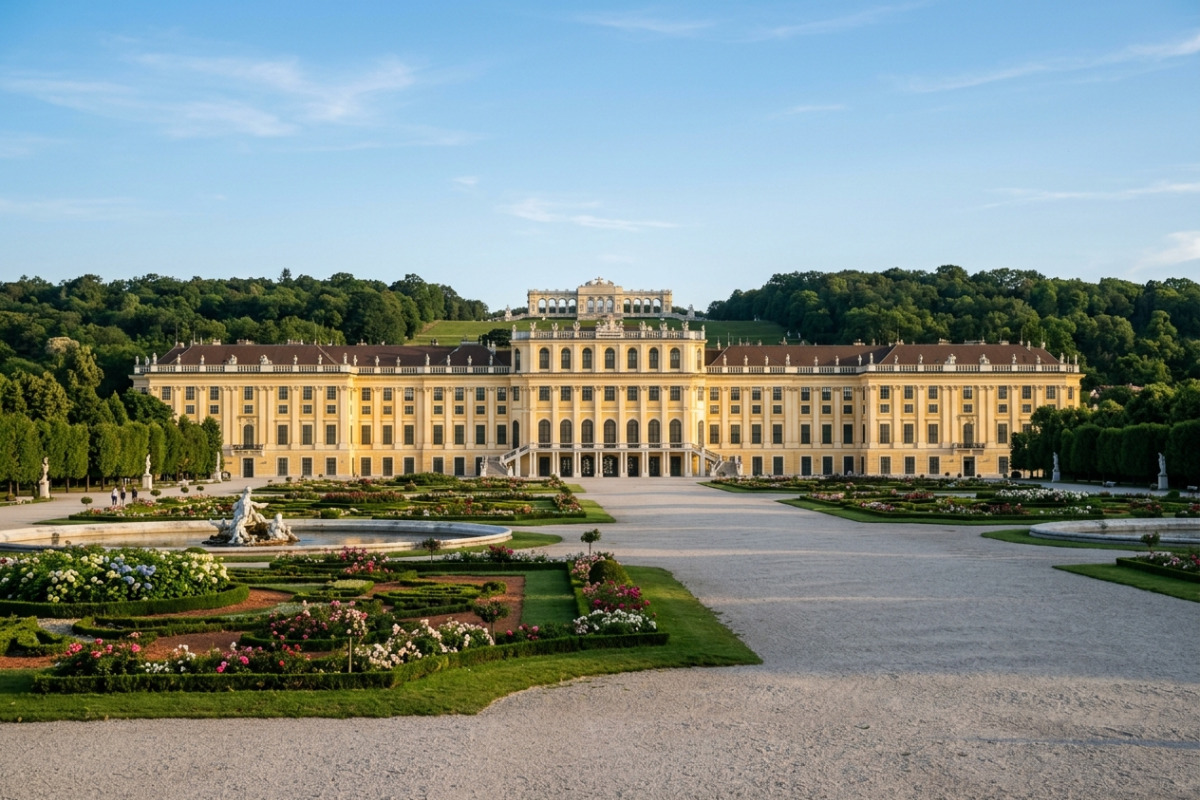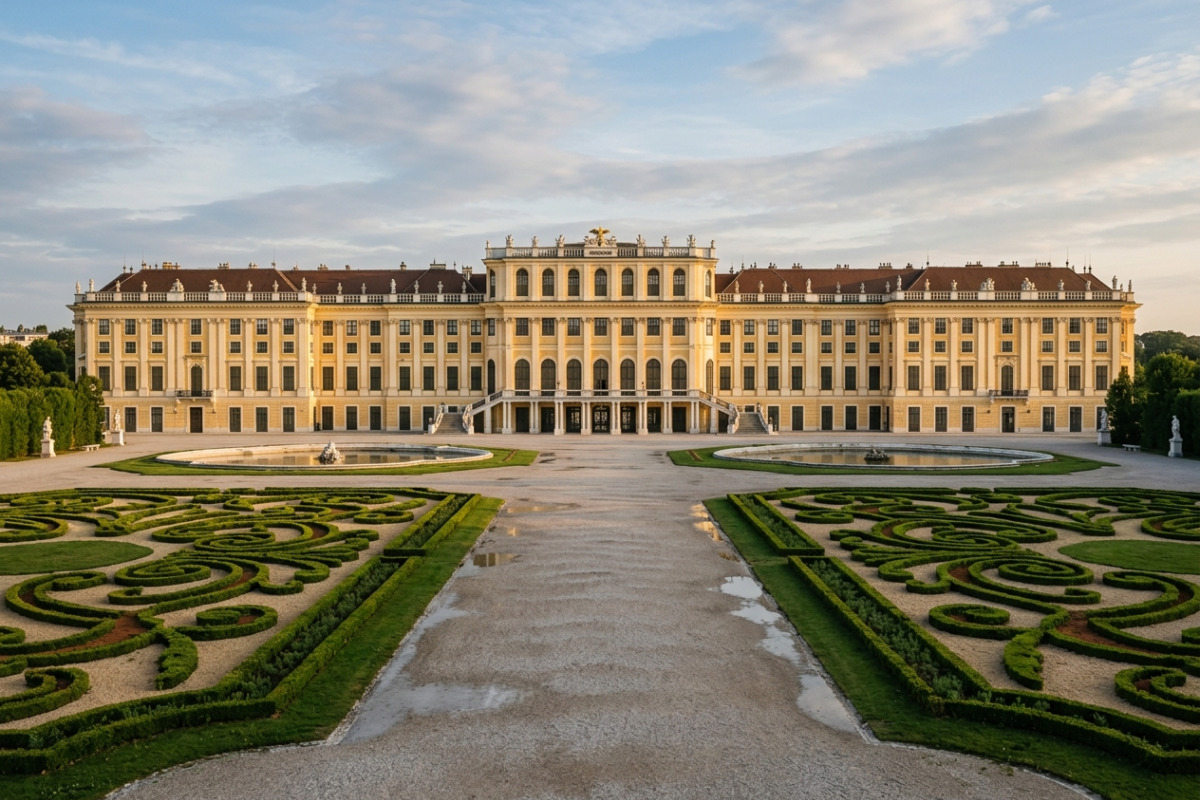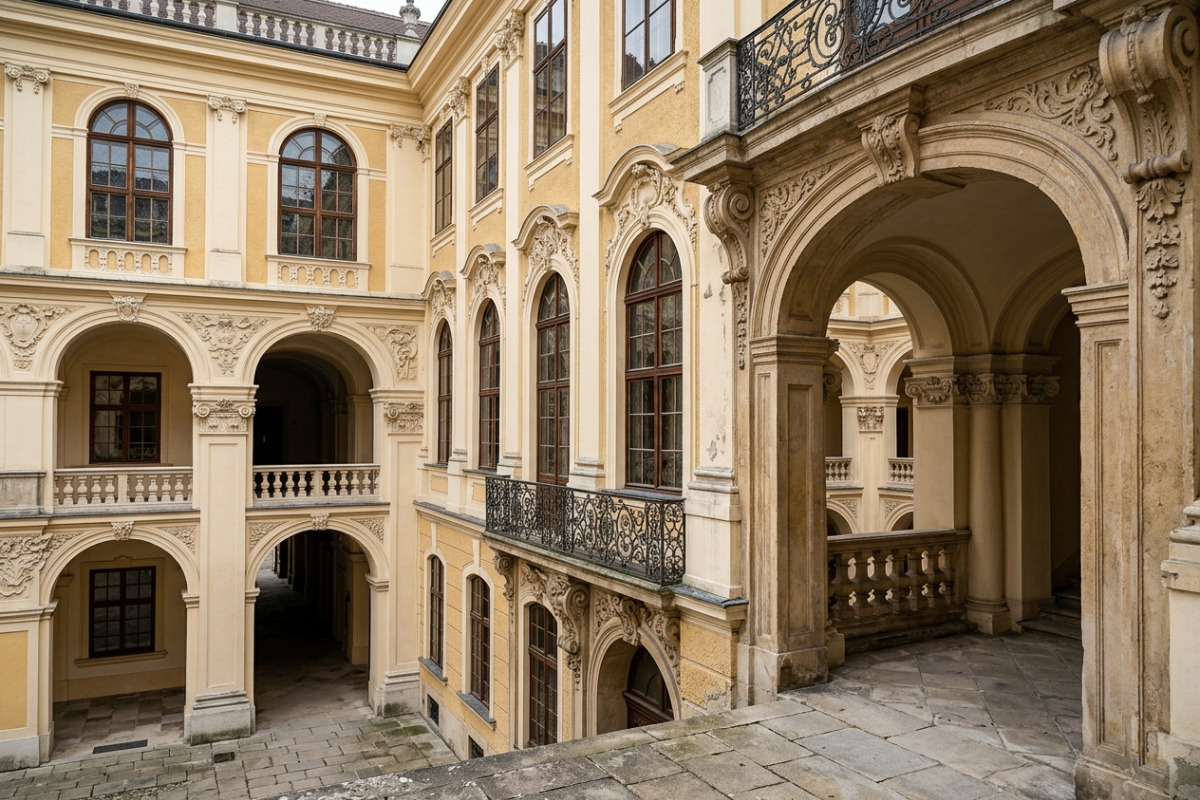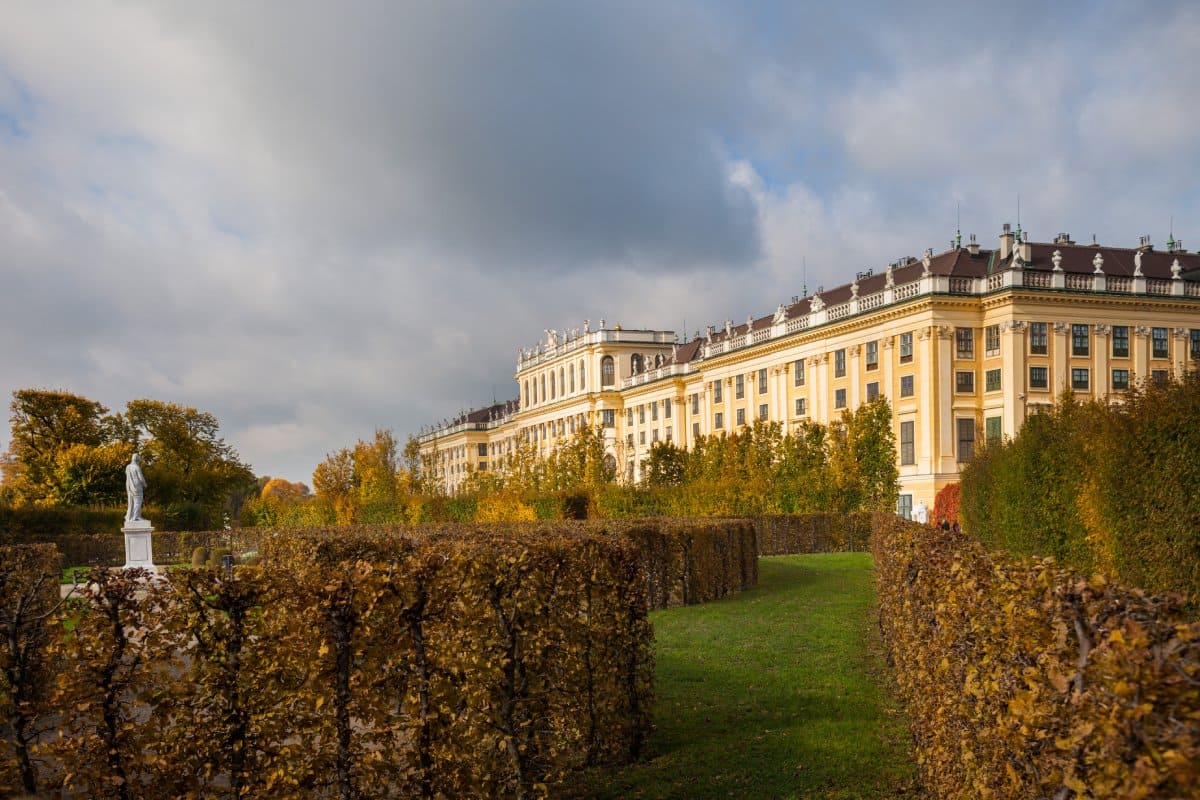
The Schönbrunn Gardens, a sprawling expanse of meticulously crafted landscapes, offer a captivating journey through the history of garden design. More than just a backdrop to the magnificent Schönbrunn Palace, these gardens are a testament to the evolving tastes and artistic visions that have shaped them over centuries. From their initial Baroque conception to subsequent transformations, the gardens present a fascinating narrative of horticultural artistry and architectural ambition.
A Baroque Beginning: Shaping the Imperial Landscape
The genesis of the Schönbrunn Gardens can be traced back to the late 17th century, coinciding with the construction of the original Schönbrunn Palace. The initial design, conceived in the Baroque style, was characterized by its formal geometry, symmetrical layouts, and carefully manicured hedges. This reflected the prevailing aesthetic of the era, emphasizing order, control, and the power of human intervention over nature. The gardens were intended to be an extension of the palace, a stage for imperial grandeur and a reflection of the Habsburg dynasty's authority.
Key features of the early Baroque gardens included:
- Geometric patterns: Symmetrical flower beds, precisely aligned pathways, and meticulously shaped hedges created a sense of order and balance.
- Fountains and sculptures: Ornate fountains, often depicting mythological figures, served as focal points, adding a touch of drama and elegance. Sculptures, strategically placed throughout the gardens, further enhanced the visual spectacle.
- Grand axes: Long, straight avenues provided clear sightlines, connecting different parts of the gardens and emphasizing the palace's central position.
Transformations and Additions: Evolving Garden Aesthetics
Over the centuries, the Schönbrunn Gardens underwent several transformations, reflecting changing tastes and the influence of different architects and gardeners. In the mid-18th century, under the reign of Empress Maria Theresa, the gardens were significantly expanded and redesigned. This period saw the introduction of new elements, such as the Great Parterre, a vast expanse of meticulously patterned flowerbeds, and the Neptune Fountain, a monumental sculpture depicting the Roman god of the sea.
Later additions included the Gloriette, a majestic archway perched atop a hill, offering panoramic views of the gardens and the city of Vienna. The Roman Ruin, a picturesque folly designed to resemble ancient ruins, added a touch of romanticism to the landscape. These additions demonstrate a shift towards a more picturesque and informal style of garden design, incorporating elements of naturalism and historical allusion.
Key Figures: Architects and Gardeners Who Shaped the Landscape
Several prominent architects and gardeners played crucial roles in shaping the Schönbrunn Gardens. Jean Trehet, a French garden designer, was responsible for the initial Baroque layout. Later, Nikolaus Pacassi oversaw the expansion and redesign of the gardens under Maria Theresa. Johann Ferdinand Hetzendorf von Hohenberg designed the Gloriette and the Roman Ruin, adding elements of neoclassicism and romanticism. These individuals, along with countless other gardeners and laborers, contributed to the creation of this extraordinary landscape.
Exploring the Schönbrunn Gardens Today
Today, the Schönbrunn Gardens remain a vibrant and captivating destination, attracting visitors from around the world. The gardens offer a diverse range of attractions, from formal parterres and grand fountains to hidden pathways and secluded groves. Visitors can explore the attractions at their own pace, discovering the beauty and history of this iconic green space. Don't forget to check Gardens page for more details.
Highlights of a visit to the Schönbrunn Gardens include:
- The Great Parterre: A vast expanse of meticulously patterned flowerbeds, offering a stunning display of color and form.
- The Neptune Fountain: A monumental sculpture depicting the Roman god of the sea, adding a touch of drama and grandeur.
- The Gloriette: A majestic archway perched atop a hill, offering panoramic views of the gardens and the city of Vienna.
- The Roman Ruin: A picturesque folly designed to resemble ancient ruins, adding a touch of romanticism to the landscape.
- The Privy Garden: A more intimate and secluded garden, offering a tranquil escape from the crowds.
To make the most of your visit, consider purchasing tickets in advance. You can also find useful visiting information on the official website, including opening hours, transportation options, and accessibility information. Learning about the history of the palace and gardens beforehand will enrich your experience.
The Schönbrunn Gardens are a living testament to the enduring power of landscape design. They offer a unique opportunity to experience the evolution of garden aesthetics over centuries, from the formal grandeur of the Baroque to the picturesque romanticism of later periods. Whether you are a seasoned garden enthusiast or simply seeking a beautiful and inspiring place to explore, the Schönbrunn Gardens are sure to captivate your senses and leave you with lasting memories.