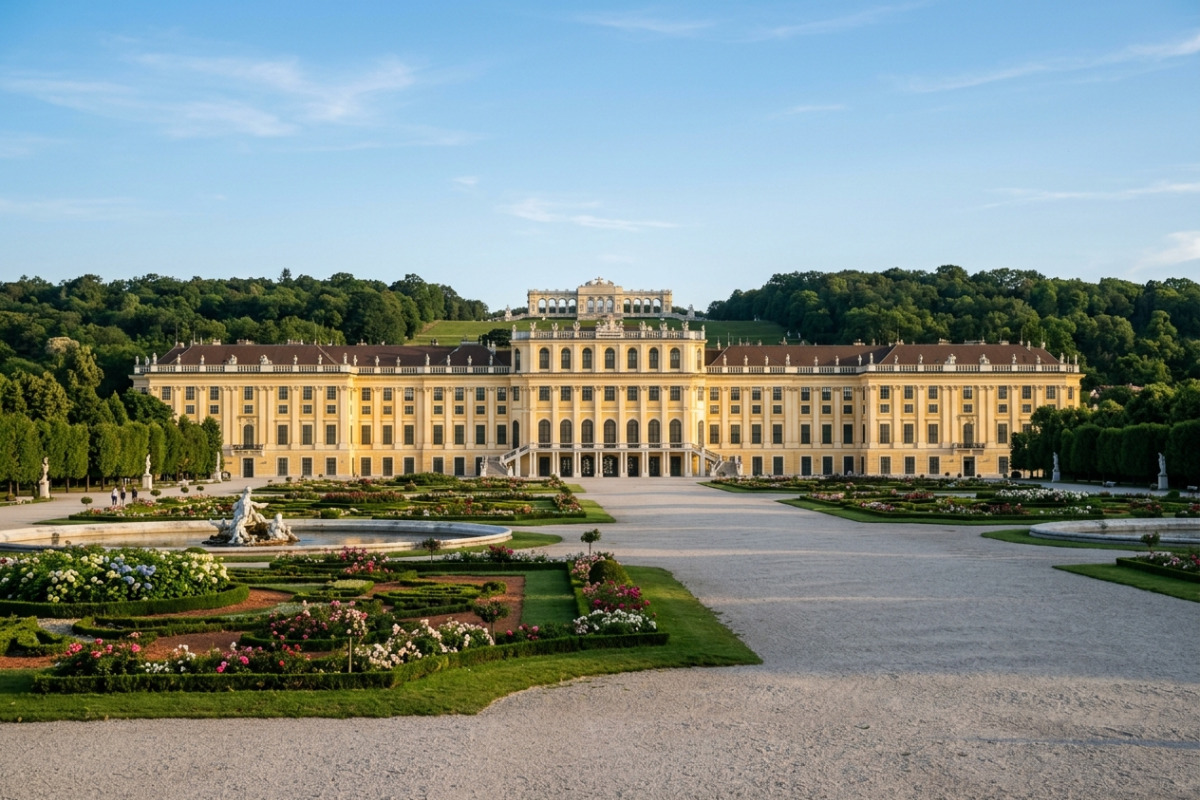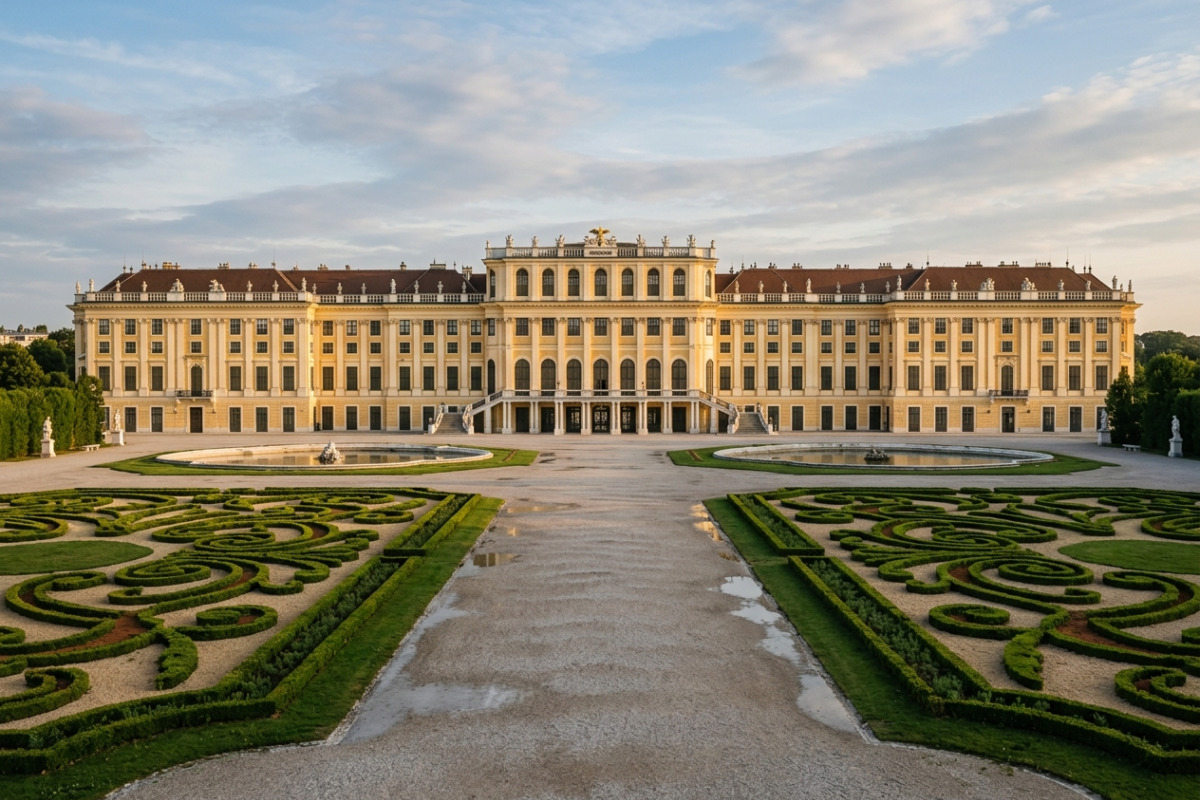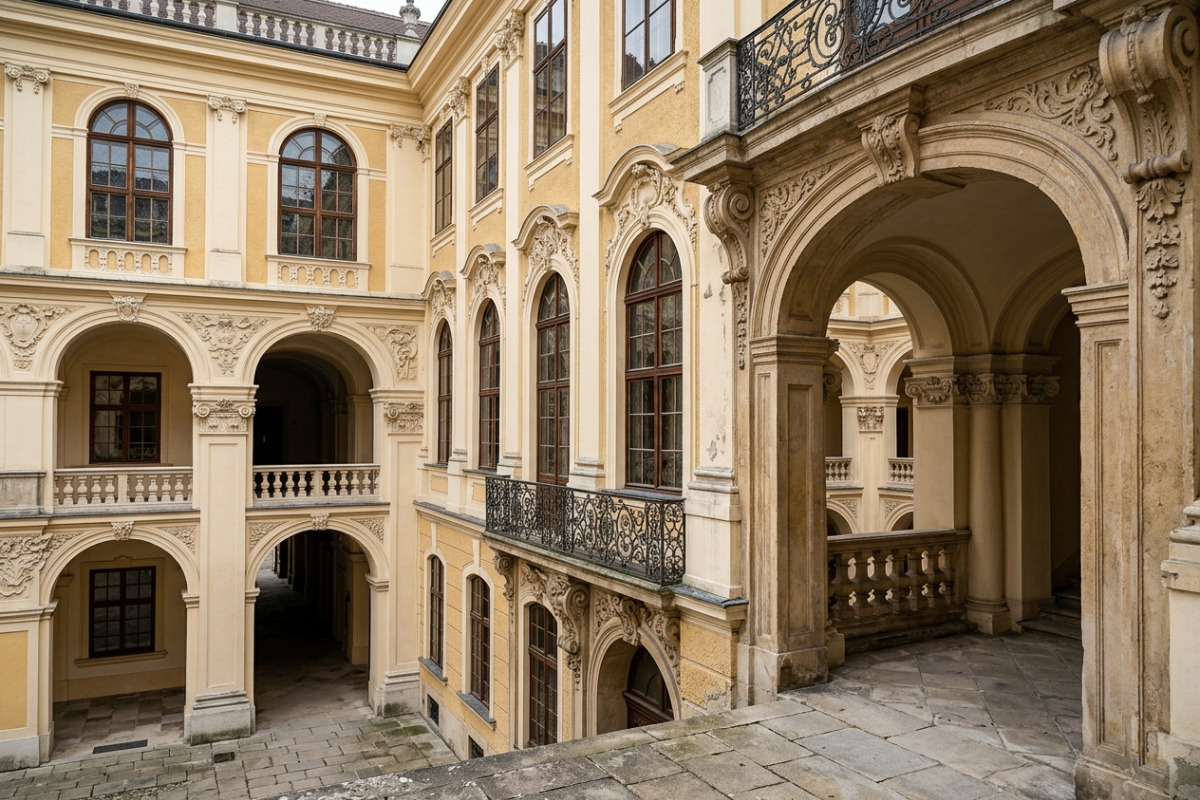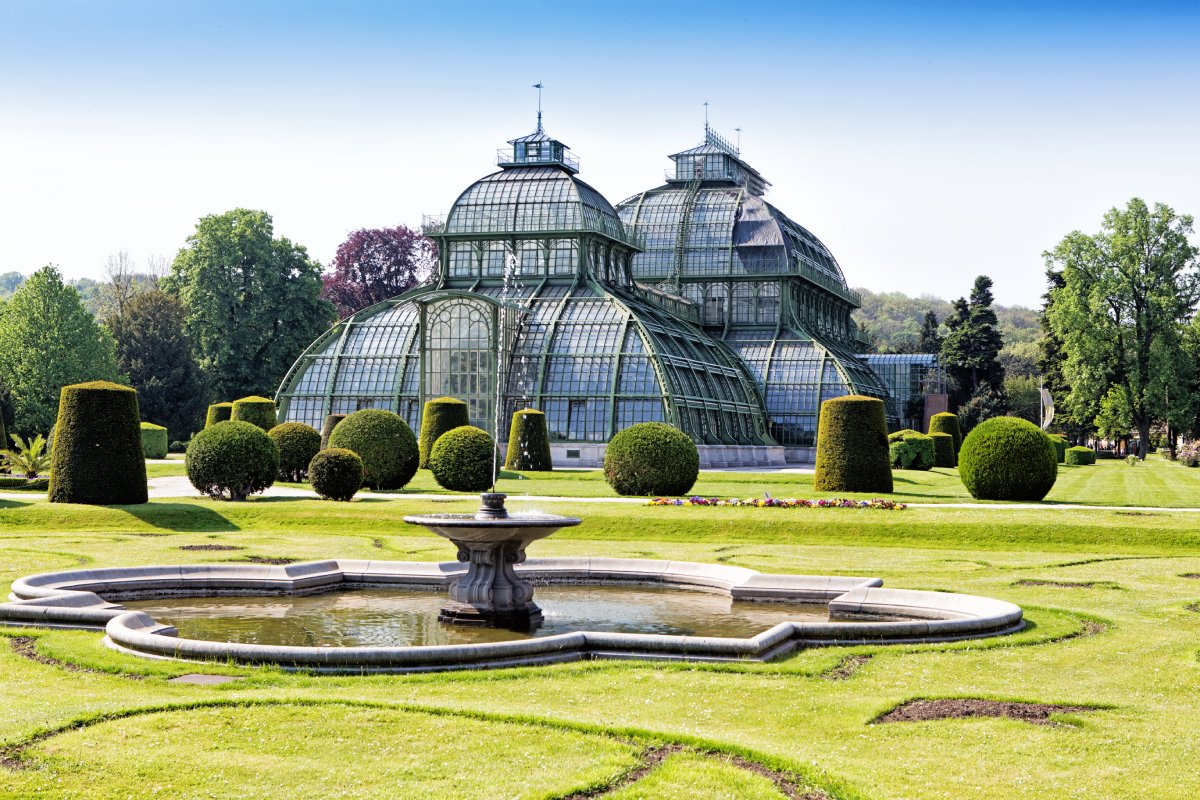
Schönbrunn Palace, a jewel of Viennese history, isn't just about opulent interiors and imperial grandeur. Its sprawling gardens, a UNESCO World Heritage site, offer a visual feast of meticulously manicured lawns, hidden pathways, and, most importantly, a breathtaking collection of statues and fountains. These aren't mere decorations; they're carefully crafted works of art, each telling a story rooted in mythology, allegory, and imperial ambition. A visit to the Gardens is an absolute must for any visitor seeking to truly understand Schönbrunn's artistic and historical significance. To get a glimpse of what awaits you, check out this virtual tour of the gardens. (Just kidding! But seriously, explore the gardens!)
A Journey Through Myth and Allegory
As you wander through the Schönbrunn gardens, prepare to be transported to a world of gods, goddesses, and symbolic representations. The statues and fountains are not simply beautiful; they are imbued with meaning, reflecting the values and aspirations of the Habsburg dynasty. Understanding the symbolism behind these works allows for a deeper appreciation of the palace's history and the artistic vision of its creators. Consider downloading a garden map to help you navigate and locate key sculptures.
The Neptune Fountain: A Symbol of Imperial Power
Perhaps the most iconic fountain in the Schönbrunn gardens is the Neptune Fountain (Neptunbrunnen). Located at the foot of the Gloriette hill, this magnificent structure depicts the Roman god of the sea, Neptune, holding his trident. The figures surrounding Neptune represent rivers, symbolizing the Habsburgs' dominion over vast territories and their control of vital waterways. The sheer scale and grandeur of the fountain are intended to impress upon visitors the power and reach of the Austrian Empire. View images of the Neptune Fountain.
The Obelisk Fountain: A Celebration of Knowledge and Wisdom
Another notable fountain is the Obelisk Fountain, which features an Egyptian-style obelisk adorned with hieroglyphs and allegorical figures. This fountain represents knowledge, wisdom, and the pursuit of enlightenment, values that were highly prized during the Enlightenment era. The obelisk itself is a symbol of ancient wisdom, while the surrounding figures embody virtues such as prudence, justice, and fortitude. Did you know that the hieroglyphs are not actually Egyptian? They are decorative and were added to enhance the fountain's exotic appeal. Learn more about the Obelisk Fountain.
Statues of Gods and Heroes: A Pantheon in the Garden
Scattered throughout the gardens are numerous statues depicting figures from Greek and Roman mythology. These statues serve not only as decorative elements but also as allegorical representations of virtues and ideals. You'll find depictions of:
- Apollo: The god of music, poetry, and light, representing artistic inspiration and intellectual pursuits.
- Diana: The goddess of the hunt, symbolizing strength, independence, and the connection to nature.
- Hercules: The hero known for his strength and courage, embodying the virtues of perseverance and overcoming adversity.
- Minerva: The goddess of wisdom and warfare, representing strategic thinking and the pursuit of knowledge.
These statues were strategically placed to create a harmonious and inspiring environment, inviting visitors to reflect on the values and ideals that the Habsburgs sought to embody. Which of these figures resonates most with you? Take our poll!
The Artistic Significance of Schönbrunn's Sculptures
The statues and fountains of Schönbrunn are not only rich in symbolism but also represent a significant achievement in artistic craftsmanship. The sculptures were created by some of the most talented artists of their time, including Johann Bernhard Fischer von Erlach and Lorenzo Mattielli. These artists employed a variety of techniques and materials to create works that are both visually stunning and technically impressive.
Materials and Techniques
The sculptures are primarily made of stone, with some elements incorporating bronze or other metals. The artists used a combination of carving, casting, and gilding techniques to achieve the desired effect. The attention to detail is remarkable, with each figure meticulously sculpted to capture the nuances of human anatomy and emotion.
The Influence of Baroque Style
The sculptures of Schönbrunn are heavily influenced by the Baroque style, characterized by its dramatic compositions, elaborate ornamentation, and sense of movement. The Baroque style was intended to evoke a sense of awe and wonder, reflecting the power and grandeur of the monarchy. The statues and fountains of Schönbrunn perfectly embody the spirit of the Baroque era.
Planning Your Visit to Schönbrunn Gardens
Exploring the Schönbrunn gardens is an essential part of any visit to Vienna. The gardens are vast and offer something for everyone, from history buffs and art enthusiasts to nature lovers and families. To make the most of your visit, consider the following:
- Allocate sufficient time: The gardens are extensive, so allow at least a few hours to explore them thoroughly.
- Wear comfortable shoes: You'll be doing a lot of walking, so comfortable shoes are a must.
- Bring water and snacks: While there are cafes and restaurants within the palace grounds, it's always a good idea to bring your own refreshments, especially on a hot day.
- Consider a guided tour: A guided tour can provide valuable insights into the history and symbolism of the statues and fountains. You can find information about tours and Tickets on the official Schönbrunn Palace website.
Before your visit check out the Visiting Information page for up-to-date details on opening hours and any special events that may be taking place. Take your time to soak in the beauty and history of this remarkable place. Learn more about the Palace's History on our website.
From the majestic Neptune Fountain to the allegorical statues of gods and heroes, the sculptures of Schönbrunn Palace offer a fascinating glimpse into the artistic and cultural values of the Habsburg dynasty. A visit to these magnificent gardens is an unforgettable experience, providing a deeper understanding of Vienna's rich history and artistic heritage. Don't miss the other Attractions Schönbrunn has to offer!