Vienna, a city renowned for its imperial grandeur and architectural splendor, owes much of its distinctive character to the magnificent Schönbrunn Palace. More than just a royal residence, Schönbrunn acted as a crucible for architectural innovation, its design principles rippling outwards to influence countless buildings and shape the very fabric of the city. Commissioned by Emperor Leopold I in the late 17th century and significantly expanded by Empress Maria Theresa in the 18th century, Schönbrunn Palace embodies the zenith of Austrian Baroque. This article delves into the lasting impact of Schönbrunn Palace on the Viennese architectural landscape, exploring how its design and grandeur contributed to the city's unique Baroque identity.
The Baroque Blueprint: Schönbrunn's Architectural Style
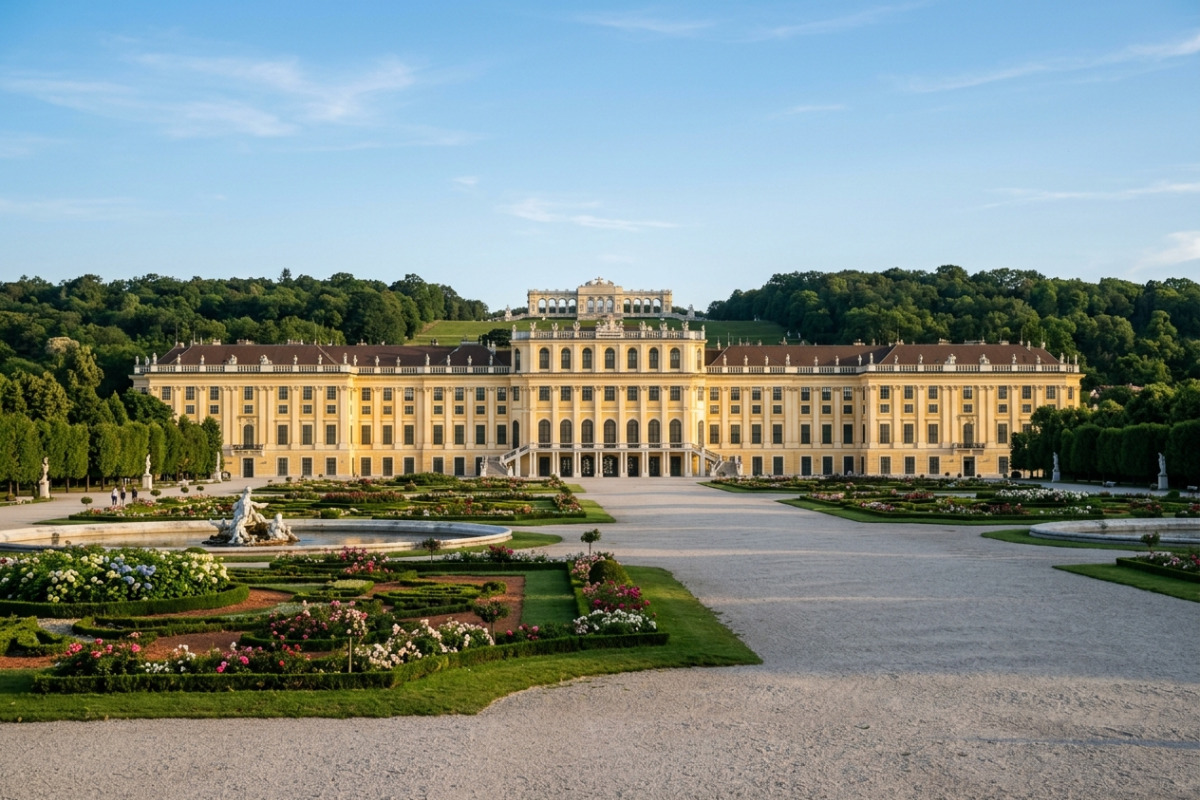
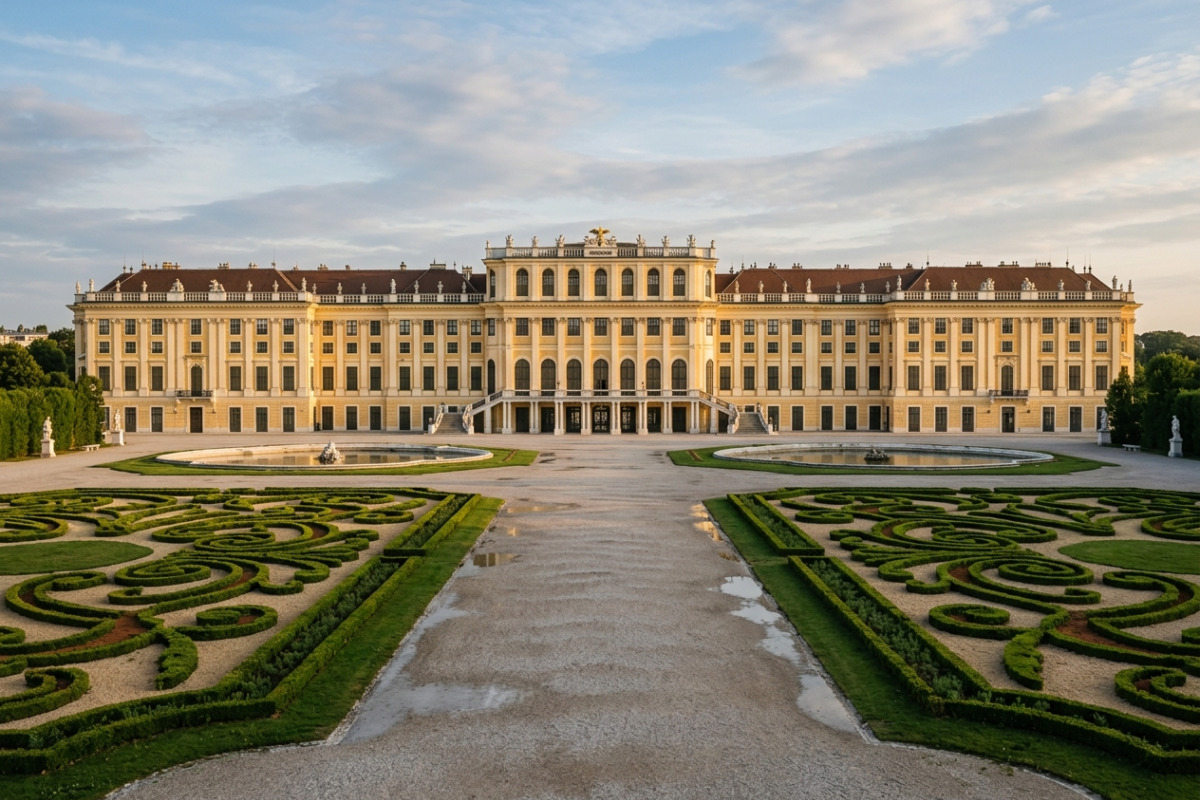
Schönbrunn Palace, a masterpiece of Baroque architecture, stands as a testament to the power and opulence of the Habsburg dynasty. Its design, a harmonious blend of elegance and grandeur, served as a powerful source of inspiration for architects throughout Vienna. The palace's symmetrical layout, elaborate ornamentation, and use of light and shadow became defining characteristics of the Viennese Baroque style. The palace has a rich History and is worth exploring.
The architectural style of Schönbrunn, influenced by architects like Johann Bernhard Fischer von Erlach and later Nicolaus Pacassi, wasn't just about aesthetics; it was a statement of imperial power and cultural sophistication. The use of specific materials, the arrangement of spaces, and the integration of art were all carefully considered to project an image of authority and refinement.
Key Elements of Schönbrunn's Influence:
- Symmetry and Balance: The palace's symmetrical layout, with its central axis and balanced wings, became a hallmark of Viennese architecture.
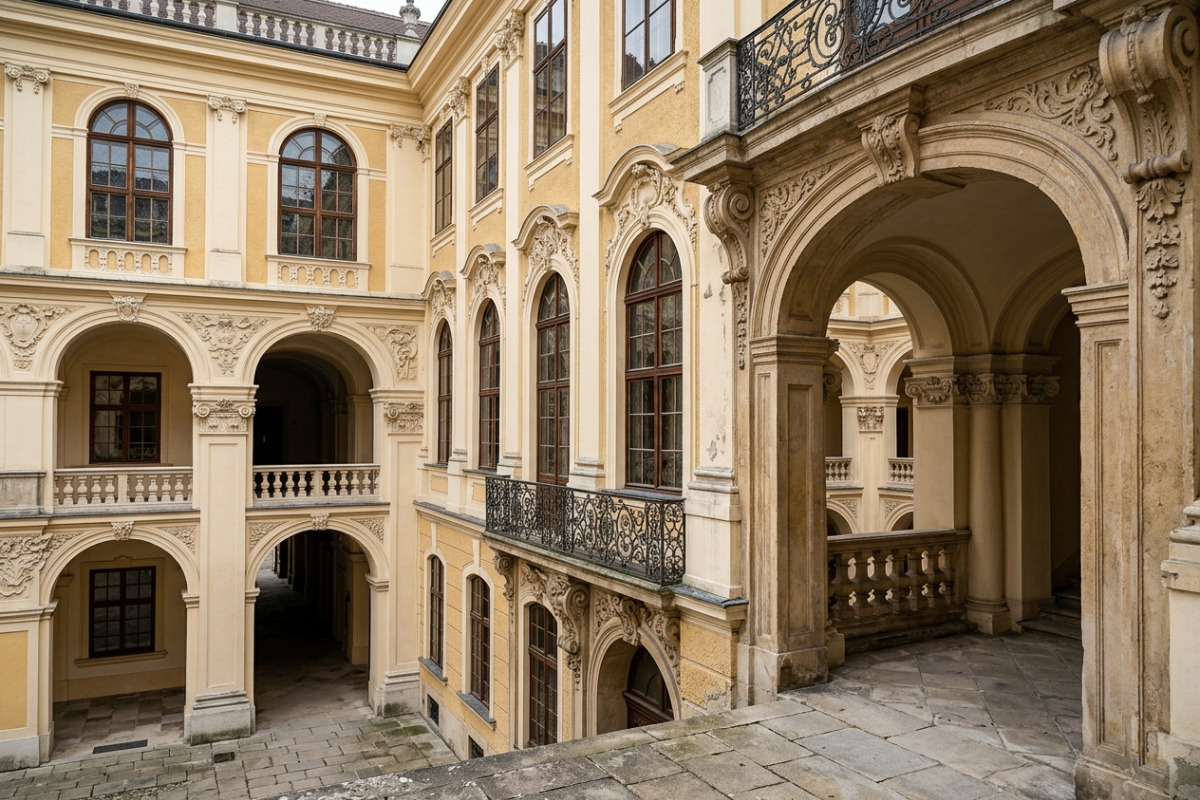
- Elaborate Ornamentation: The use of stucco, sculptures, and frescoes added a sense of richness and grandeur, inspiring similar embellishments in other buildings.
- Integration of Gardens and Architecture: The seamless integration of the palace with its surrounding gardens created a harmonious whole, influencing the design of other palaces and estates in Vienna.
- Use of Light and Shadow: The strategic placement of windows and the use of contrasting colors created dramatic effects, inspiring architects to experiment with light and shadow in their own designs.
Schönbrunn's Ripple Effect: Buildings Inspired by the Palace
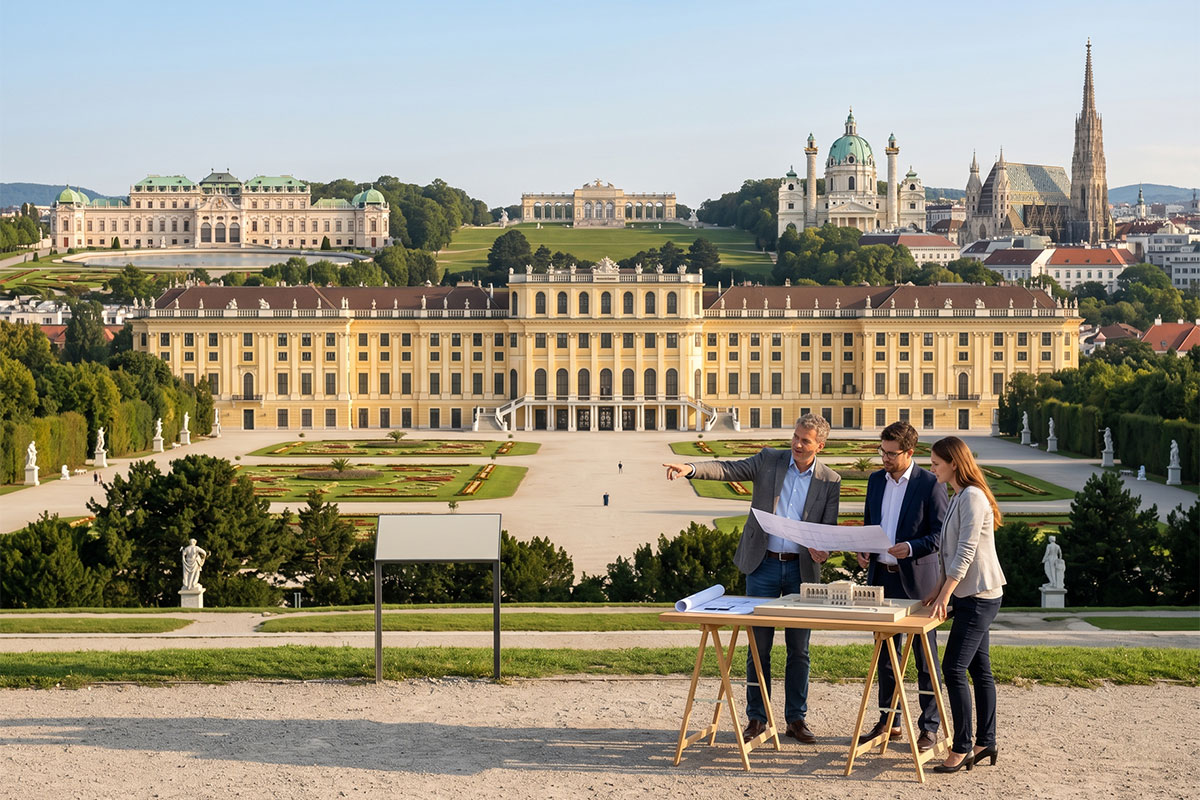
The influence of Schönbrunn Palace can be seen in numerous buildings throughout Vienna, from grand palaces to elegant townhouses. Architects sought to emulate the palace's grandeur and elegance, incorporating its design principles into their own creations. Here are a few examples of buildings that showcase Schönbrunn's influence:
- Winter Palace of Prince Eugene of Savoy: This palace, located in the heart of Vienna, features a symmetrical facade, elaborate ornamentation, and a grand staircase, all reminiscent of Schönbrunn. Consider the Hercules Hall, with its allegorical frescoes, echoing the grandeur found at Schönbrunn.
- Belvedere Palace: Another example of Baroque splendor, the Belvedere showcases symmetrical design and elaborate gardens, echoing Schönbrunn's integrated approach to architecture and landscape. The upper Belvedere, in particular, reflects the emphasis on light and airy spaces seen at Schönbrunn.
- Numerous Viennese Townhouses: Many townhouses built during the 18th century adopted the symmetrical facade and elaborate ornamentation of Schönbrunn, bringing a touch of imperial grandeur to the everyday lives of Viennese citizens. These often featured smaller-scale versions of the stucco work and window designs found at the palace.
The Gardens: A Lasting Legacy on Viennese Landscape Design
The meticulously landscaped Gardens of Schönbrunn Palace played a crucial role in defining the aesthetic of Viennese landscape architecture. The formal gardens, with their geometric patterns, fountains, and sculptures, became a model for other gardens and parks throughout the city. This influence extended beyond royal estates, shaping the design of public parks and gardens, bringing a touch of imperial elegance to the public realm. The gardens are one of the most popular Attractions in Vienna.
Elements of Schönbrunn Gardens that Influenced Viennese Landscape Design:
- Formal Gardens: Geometric patterns, symmetrical layouts, and carefully manicured hedges defined the formal garden style, adopted in many Viennese gardens.
- Fountains and Sculptures: The use of fountains and sculptures as focal points added a sense of drama and elegance, inspiring similar features in other gardens.
- Integration with Architecture: The seamless integration of the gardens with the palace created a harmonious whole, influencing the design of other estates and parks.
Preserving the Legacy: Schönbrunn's Enduring Impact
Schönbrunn Palace continues to inspire architects and designers today. Its timeless elegance and grandeur serve as a reminder of Vienna's rich architectural heritage. The palace is a popular tourist destination, drawing visitors from around the world who come to admire its beauty and learn about its Visiting Information and history. The palace also hosts cultural events and exhibitions, ensuring that its legacy continues to thrive for generations to come.
Visiting Schönbrunn Palace is easy, and purchasing Tickets in advance is recommended, especially during peak season.
Conclusion: A Palace That Built a City
Schönbrunn Palace's influence on Viennese architecture is undeniable. Its design principles, from symmetrical layouts to elaborate ornamentation, shaped the city's Baroque character and left an enduring legacy. From grand palaces to elegant townhouses, the palace's ripple effect can be seen throughout Vienna, a testament to its power and enduring beauty. Schönbrunn Palace is not just a royal residence; it is a symbol of Vienna's architectural identity, a palace that helped build a city.