The Origins of Schönbrunn Palace
Schönbrunn Palace, located in Vienna, Austria, has a history that traces back to the mid-16th century. The site was acquired by Emperor Maximilian II, who developed it as an imperial hunting estate complete with a lodge and landscaped grounds. In the 17th century, the area became known as “Schönbrunn,” or “beautiful spring,” after a clear spring was discovered on the property. Over time, the estate evolved into the magnificent Baroque palace and gardens that stand today.
In the early years, the lodge served primarily as a refuge for hunting and leisure activities, appealing to the tastes of the Habsburg dynasty. The idyllic setting and lush landscapes made it a popular location for royal gatherings.
Transformation into a Royal Residence
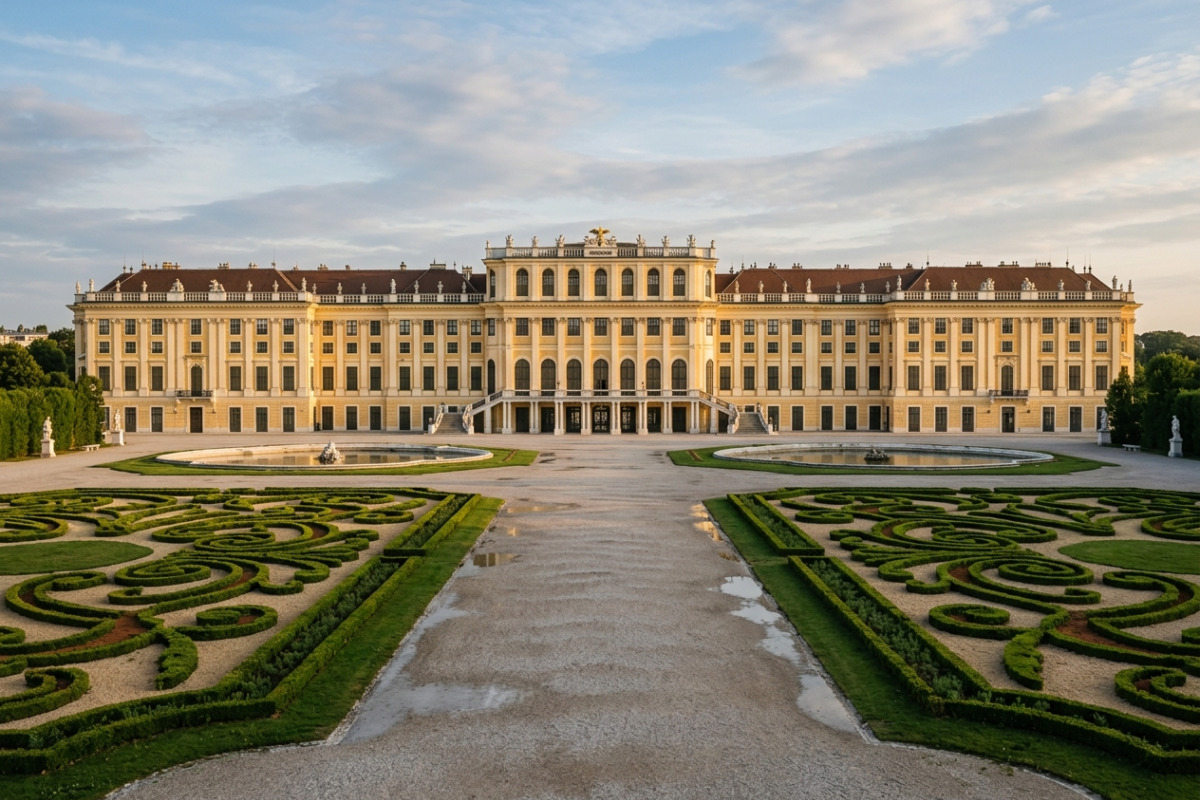
Under the reign of Empress Maria Theresa in the 18th century, Schönbrunn underwent extensive redesign and modernization. Building on the earlier Baroque structure created in the late 17th century, she transformed the palace into a magnificent imperial summer residence with richly decorated interiors and elegantly planned gardens. Schönbrunn became the heart of Habsburg court life, hosting balls, receptions, and important diplomatic gatherings.
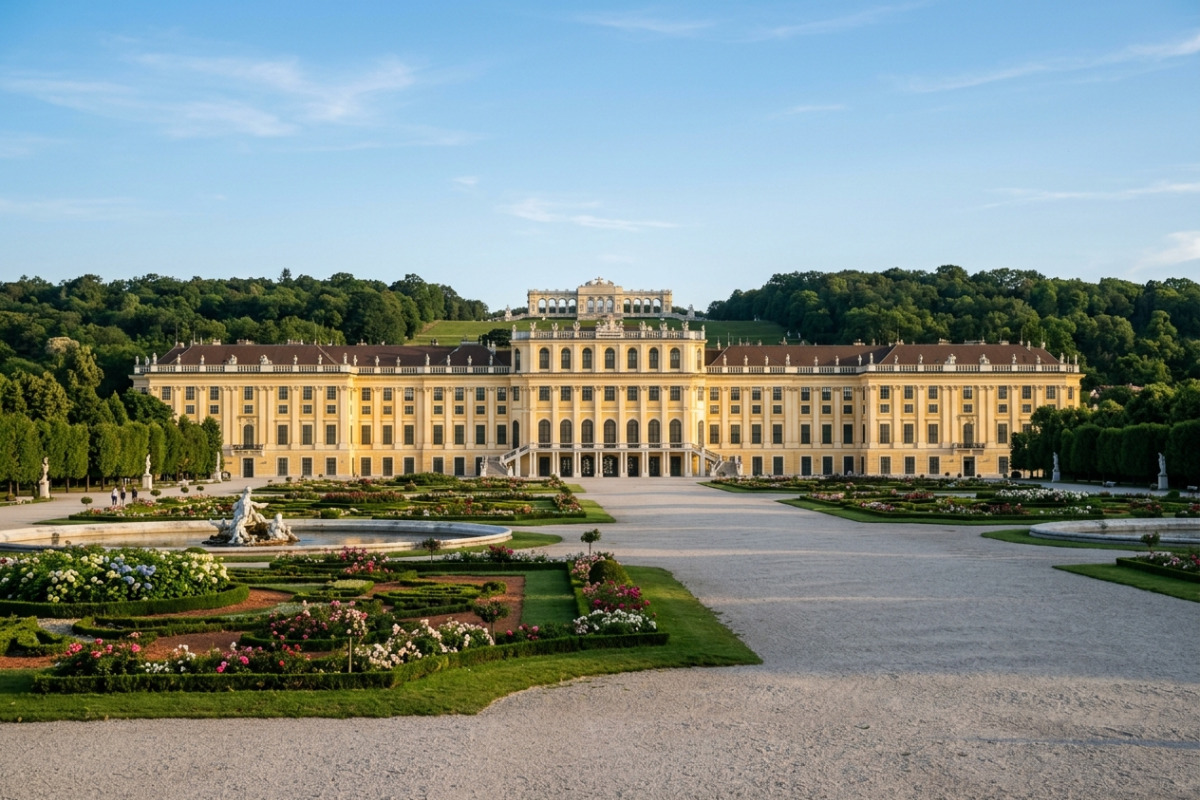
Maria Theresa’s vision also shaped the vast gardens, which were expanded with formal parterres, fountains, and sculptural ensembles. Inside, the palace features remarkable rooms such as the Great Gallery, used for court festivities and the Yellow Salon, noted for its refined Rococo decoration.
The Role of Schönbrunn in European History
Throughout the centuries, Schönbrunn Palace played a pivotal role in European history. It was not just the residence of the Habsburgs; it also served as a witness to significant historical events. The palace became a symbol of the power and prestige of the Habsburg imperial power.
Notably, it was at Schönbrunn that the Treaty of Schönbrunn was signed in 1809, marking a turning point in the Napoleonic Wars. The palace's halls echoed with the discussions of influential figures in European history, making it a vital location for diplomacy.
Preservation and Modern Significance
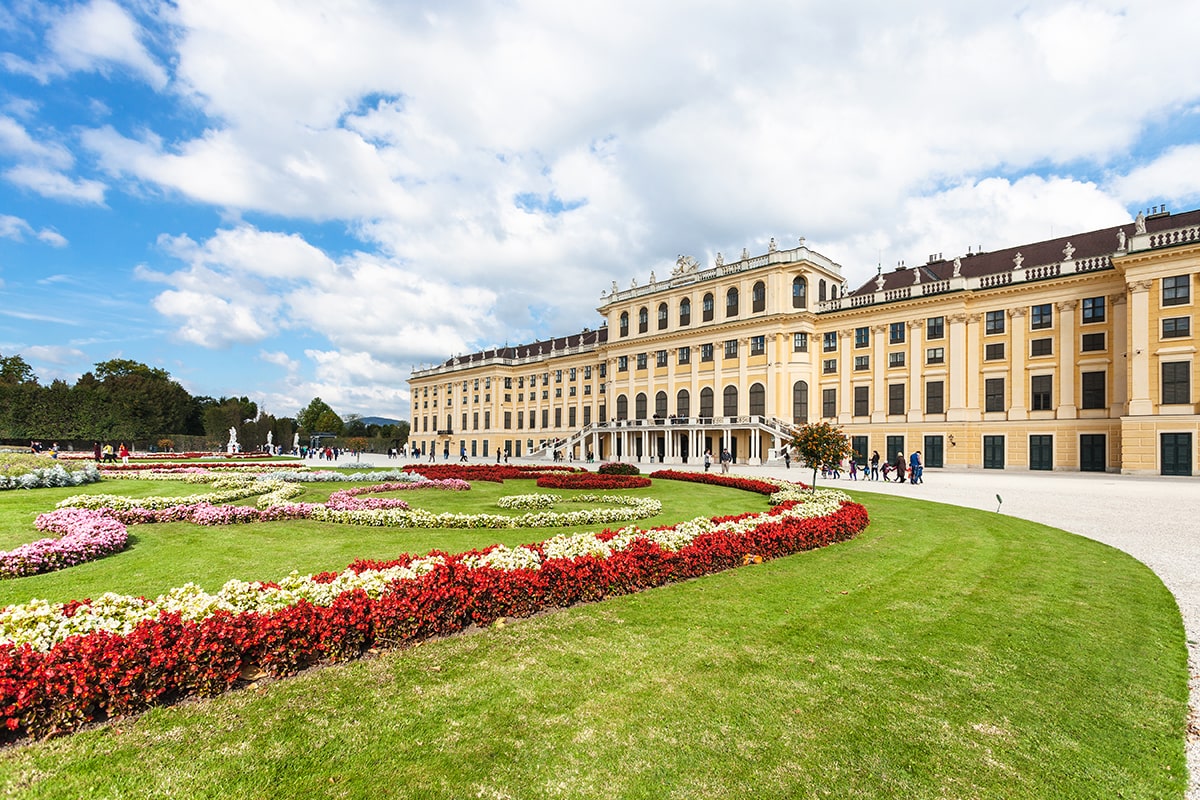
Today, Schönbrunn Palace is a UNESCO World Heritage Site and a major tourist attraction. Efforts to preserve its historical integrity ensure that visitors can step back in time and experience the grandeur of imperial life. The palace attracts millions of tourists each year, who come to admire its architecture, art, and serene gardens.
The palace's significance extends beyond its history; it represents the cultural heritage of Austria. Events such as classical concerts and seasonal markets are held in the palace's gardens, enriching its community ties and maintaining its status as a vibrant public space.
Visiting Schönbrunn Palace
When visiting Schönbrunn Palace, guests can explore a variety of attractions:
- Guided tours of the lavish state rooms provide insight into royal life.
- The gardens offer peaceful walking paths and stunning views of the palace.
- The Gloriette, an iconic structure atop a hill, showcases panoramic vistas of Vienna.
In conclusion, Schönbrunn Palace's journey from a modest hunting lodge to a magnificent royal residence embodies centuries of rich history. Its transformation reflects the evolving tastes and priorities of the Habsburg dynasty while leaving an indelible mark on European history. Today, it stands as a testament to the grandeur of the past, inviting visitors to discover its extraordinary legacy.