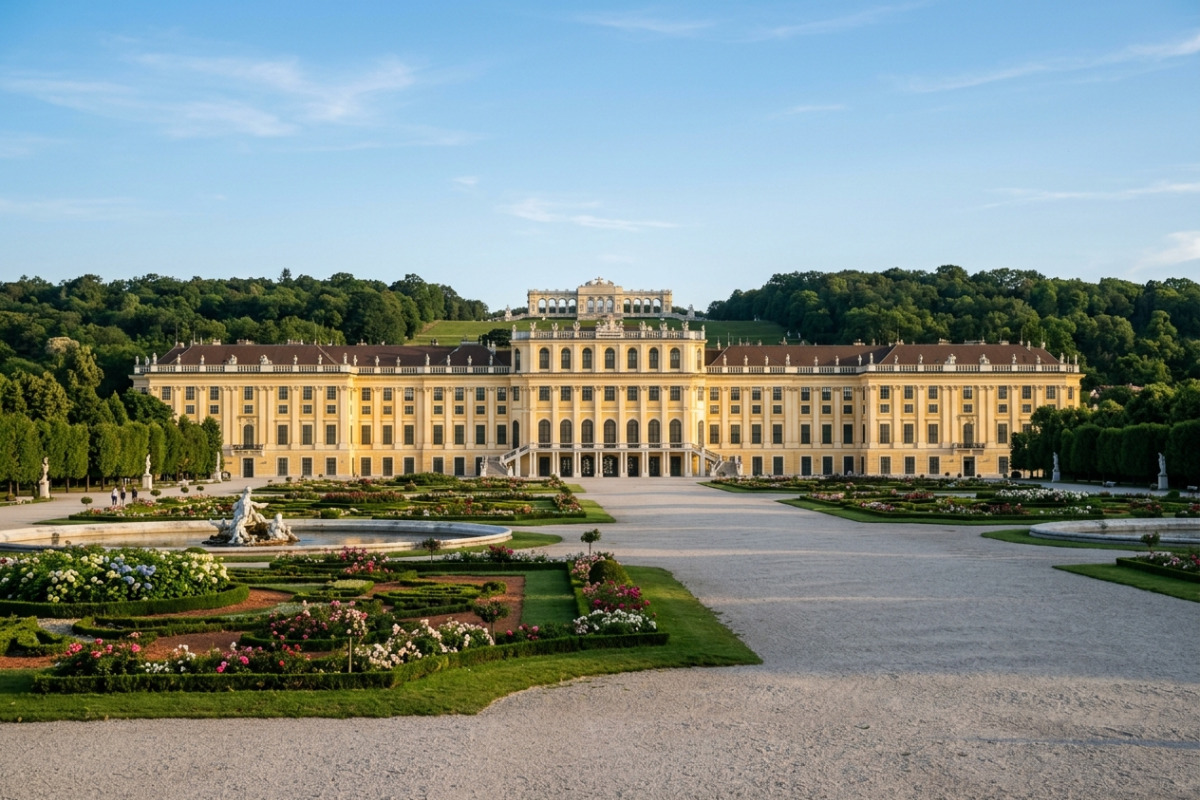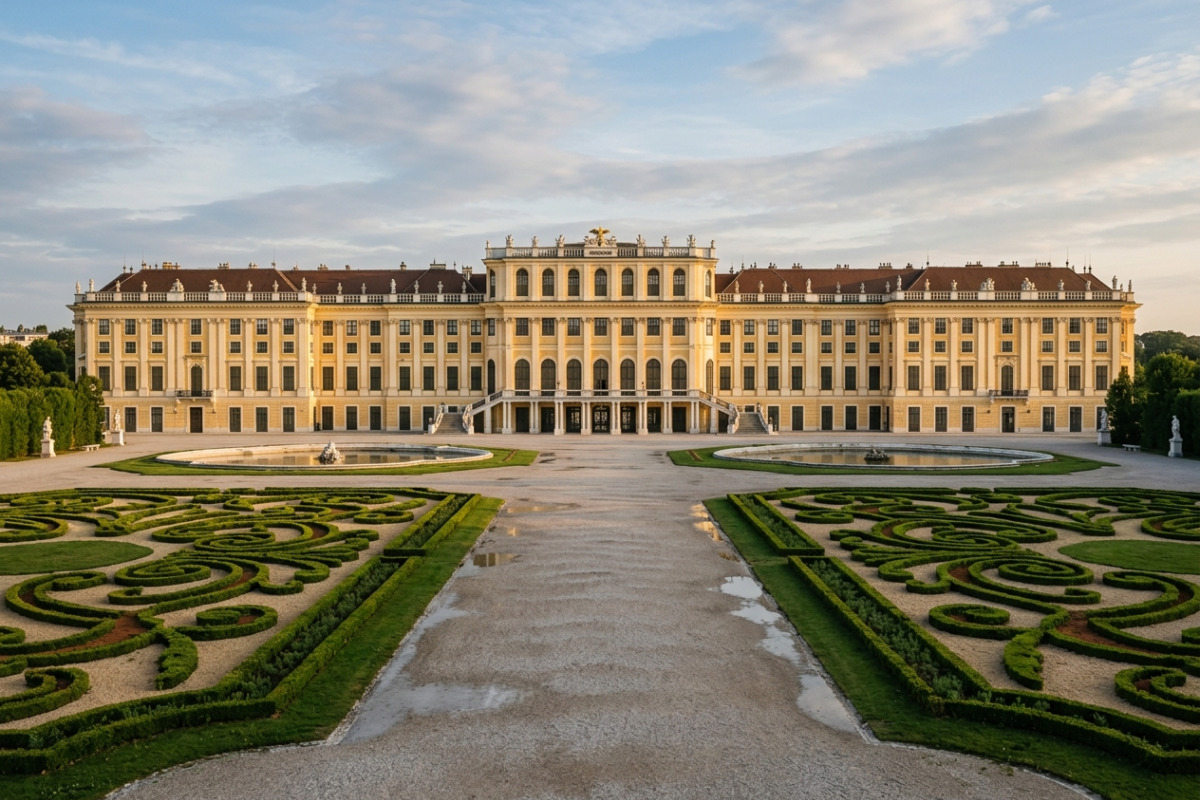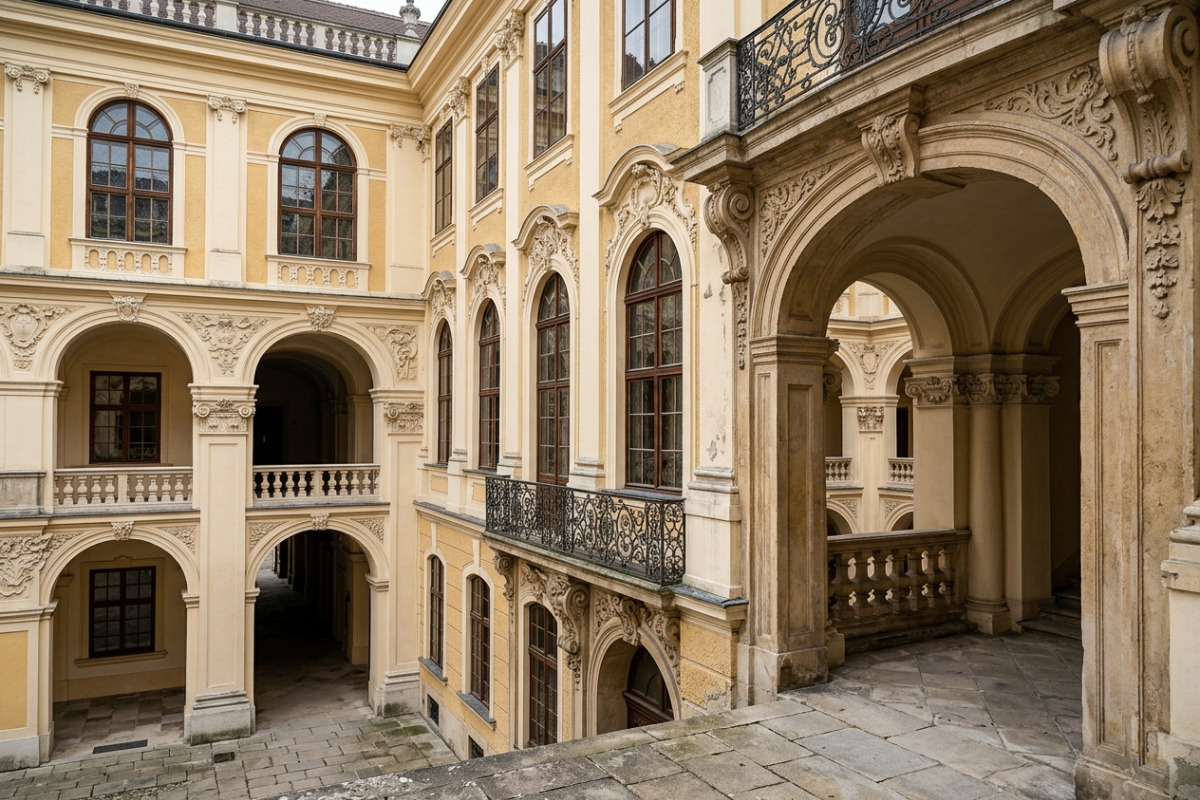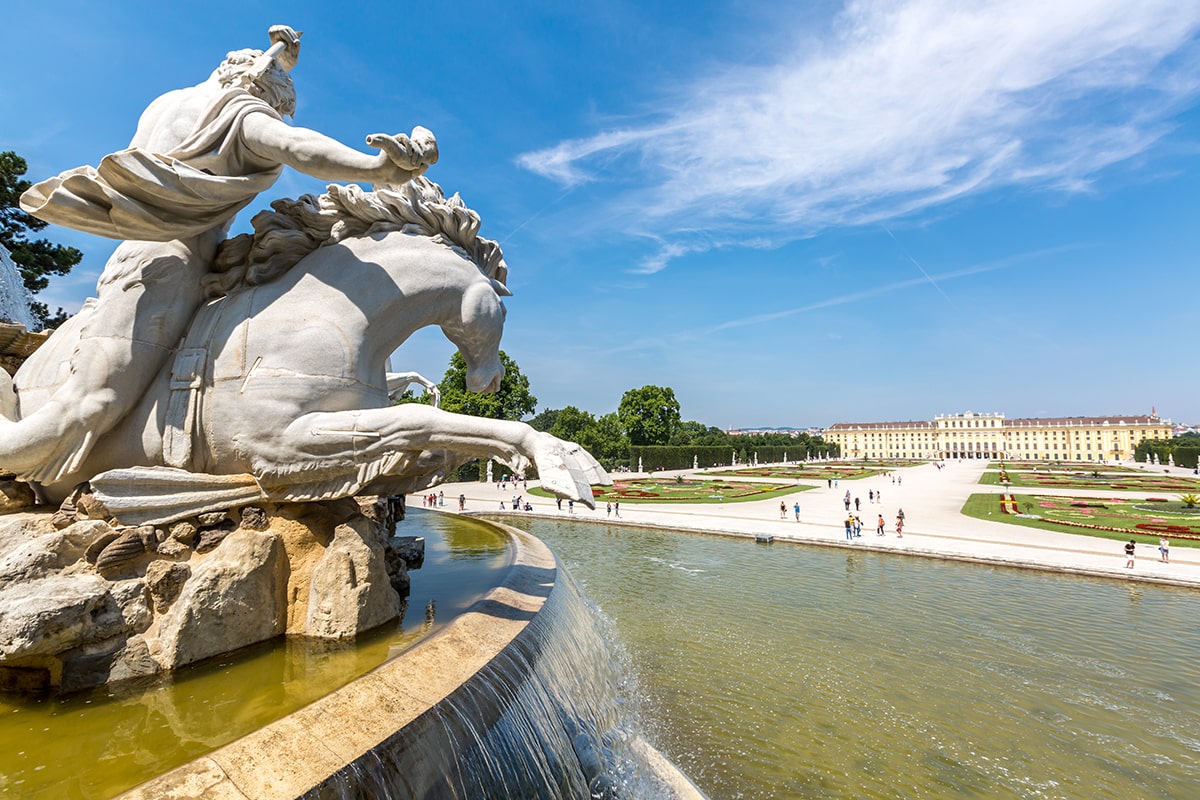
Schönbrunn Palace, a UNESCO World Heritage site, stands as a testament to the grandeur of Baroque architecture. Constructed in the 18th century, this magnificent palace not only served as a summer residence for the Habsburg monarchs but also embodies the rich symbolism inherent in its design. By exploring the architectural details of Schönbrunn, we can better understand the cultural and political messages that the palace conveys.
Key Elements of Baroque Design
The Baroque style is characterized by dramatic use of light, bold colors, and ornate details. At Schönbrunn, several key elements exemplify this aesthetic:
- Grand Facades: The palace's exterior features a harmonious blend of curves and elaborate decorations.
- Symbolic Sculptures: Statues representing gods, goddesses, and historical figures are strategically placed throughout the property.
- Reflection and Perspective: The carefully planned gardens reflect the symmetry and grandeur of the palace itself.
Symbolism in the Gardens
Beyond the palace itself, the gardens of Schönbrunn play an essential role in the overall design narrative. The layout and plant choices reflect the ideals of harmony, order, and nature. Here are significant aspects:
| Element | Symbolism |
| Water Features | Purity and Serenity |
| Statues | Historical and Mythical Allegories |
| Garden Layout | Control over Nature |
Interpretation of Decorative Arts
Inside Schönbrunn, the decorative arts further amplify the symbolic meaning. Frescoes, tapestries, and furniture designs convey messages of wealth and power:
- Ceiling Frescoes: Mythological scenes and allegories celebrate imperial virtues and reinforce the idea of the ruler’s divine right and enlightened leadership.
- Ornate Furniture: ade from luxurious materials and intricate craftsmanship, the furnishings emphasize the refinement and supremacy of the Habsburg dynasty, projecting both cultural sophistication and political power.
The Meaning of Light and Shadow
In Baroque architecture, light frequently plays a critical role in shaping perception. At Schönbrunn, strategic placement of windows and openings allows sunlight to illuminate spaces in captivating ways:
- Illumination of Detail: Highlights intricate carvings and embellishments.
- Creating Atmosphere: Shadows contribute to the dramatic intensity of rooms.
Conclusion
The architectural secrets of Schönbrunn Palace are revealed through careful observation of its Baroque design elements. Each aspect, from the richly decorated interiors to the meticulously designed gardens, carries symbolism that reflects the ideology of power, harmony, and nature. Understanding these symbols allows us to appreciate the palace not only as a home for the Habsburgs but also as a masterpiece of architectural art.