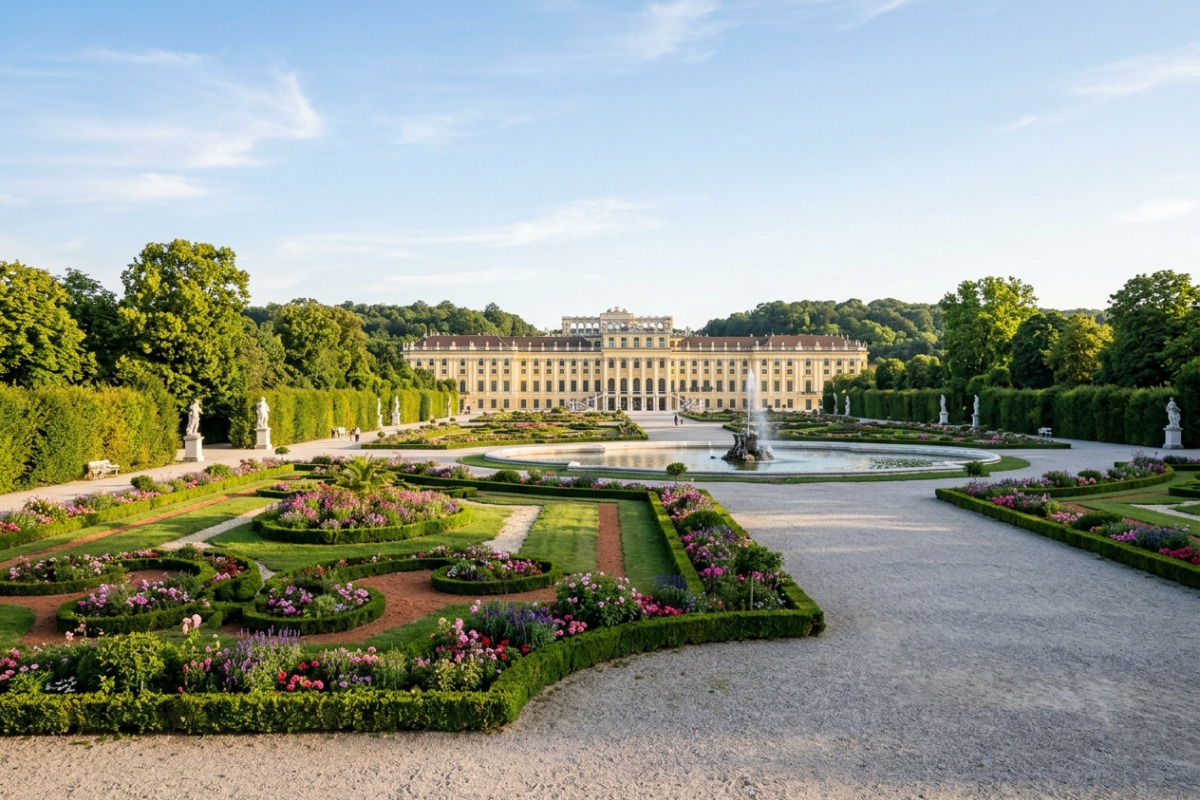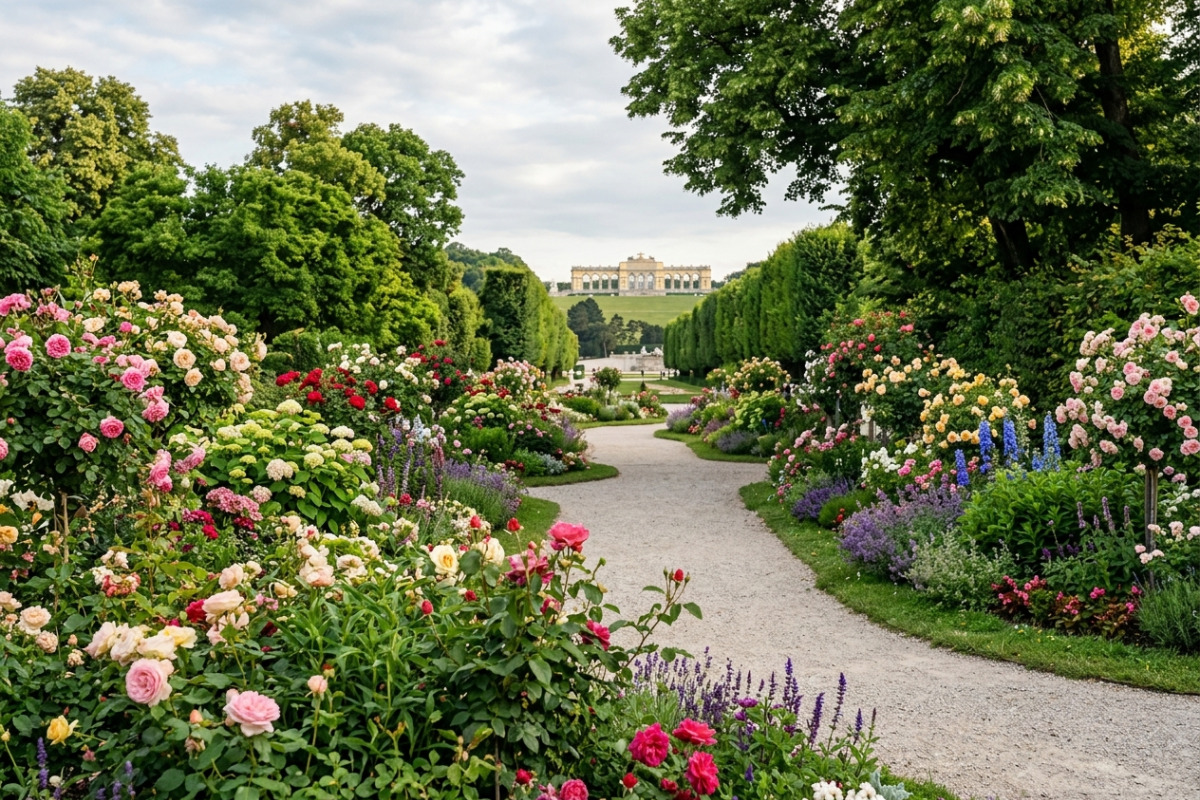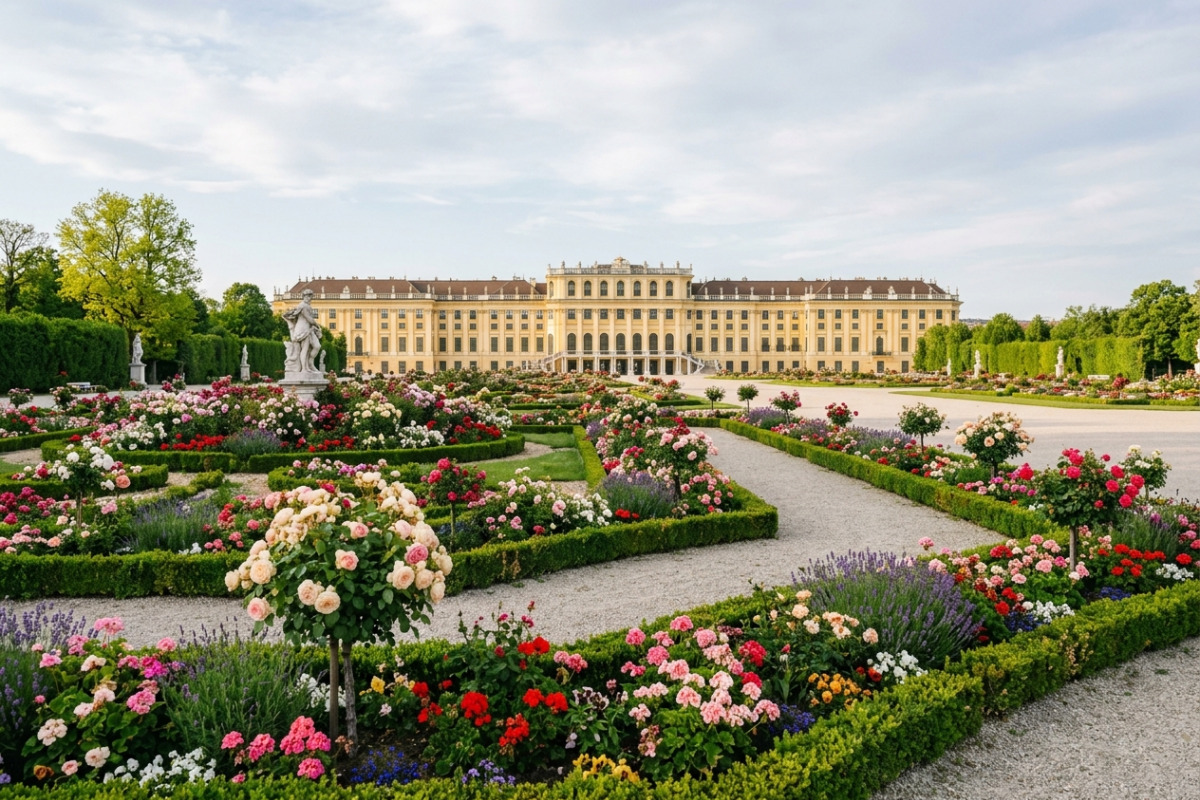
Schönbrunn Gardens, a UNESCO World Heritage site, is renowned for its imperial history, stunning architecture, and meticulously manicured landscapes. But beyond the grand palace and formal gardens lies a vibrant ecosystem teeming with life. Many visitors are surprised to discover that Schönbrunn is not just a haven for plants, but also a sanctuary for a diverse array of wildlife. Let's embark on a journey to uncover the hidden residents of this urban oasis, from the birds that serenade visitors to the insects that play a vital role in the garden's ecosystem.
A Birdwatcher's Paradise
Bird enthusiasts will find Schönbrunn Gardens to be a delightful destination. The gardens provide a rich habitat for a variety of avian species, both resident and migratory. Keep an eye out for:
- Robins: These cheerful birds are common sights, often seen hopping along the paths or perched on branches.
- Blackbirds: Their melodious songs fill the air, especially during the breeding season.
- Great Tits and Blue Tits: These colorful birds are often spotted flitting through the trees, searching for insects.
- Sparrows: These adaptable birds are common throughout the gardens, often seen near cafes and benches.
- Woodpeckers: Listen for the distinctive drumming sound of woodpeckers as they search for insects in the trees.
The diverse range of trees and shrubs within the gardens provides ample food and shelter for these birds, making it a prime location for birdwatching. Take a stroll through the gardens and see how many different species you can identify. Remember to check Gardens page for more information about the different sections of the gardens.
The Buzzing World of Insects
While often overlooked, insects play a crucial role in the health and vitality of Schönbrunn Gardens. They pollinate flowers, control pests, and serve as a food source for other animals. The gardens are home to a wide variety of insects, including:
- Bees: Essential pollinators, bees are vital for the reproduction of many plants in the gardens. Look for them buzzing around the flowerbeds.
- Butterflies: These colorful insects add beauty to the gardens as they flutter from flower to flower.
- Ladybugs: These beneficial insects help control aphids and other pests, keeping the gardens healthy.
- Dragonflies: These aerial predators patrol the gardens, feeding on mosquitoes and other small insects.
The park management actively promotes biodiversity by planting native flowers and plants that attract pollinators. This helps to create a healthy and thriving ecosystem for all the insects that call Schönbrunn home.
Other Creatures of Schönbrunn
Beyond birds and insects, Schönbrunn Gardens is also home to other fascinating creatures. Squirrels are a common sight, scampering through the trees and burying nuts. You might also spot hedgehogs foraging in the undergrowth at dusk. In the ponds and fountains, you can find frogs and fish. These animals all contribute to the rich biodiversity of the gardens.
The gardens provide a safe and protected environment for these animals, allowing them to thrive in the heart of the city. The careful management of the park ensures that their habitats are preserved and protected.
Schönbrunn's Commitment to Biodiversity
The management of Schönbrunn Gardens is committed to preserving and enhancing the biodiversity of the park. They employ a variety of strategies to achieve this goal, including:
- Planting native species: Native plants provide the best food and shelter for local wildlife.
- Reducing pesticide use: Minimizing pesticide use protects beneficial insects and other animals.
- Creating habitats: Providing a variety of habitats, such as meadows, woodlands, and ponds, supports a wider range of species.
- Educating visitors: Raising awareness about the importance of biodiversity helps to protect the gardens for future generations.
These efforts ensure that Schönbrunn Gardens remains a haven for wildlife, providing a valuable green space in the heart of Vienna. By visiting the Attractions page, you can find out more about the different areas that support the wildlife.
Planning Your Visit
When visiting Schönbrunn Gardens, remember to be respectful of the wildlife. Observe animals from a distance, avoid feeding them, and stay on designated paths. By following these simple guidelines, you can help protect the gardens and its inhabitants.
Before your visit, it's always a good idea to check the Visiting Information page for any specific guidelines or restrictions that may be in place. This will ensure that you have a safe and enjoyable experience while exploring the natural wonders of Schönbrunn Gardens. Consider purchasing Tickets in advance to save time and maximize your visit. Learning about the History of the gardens also enhances the experience.
Conclusion
Schönbrunn Gardens is more than just a beautiful park; it's a vibrant ecosystem teeming with life. From the birds that fill the air with song to the insects that pollinate the flowers, the gardens are home to a diverse array of wildlife. By visiting Schönbrunn, you can experience the beauty of nature in the heart of Vienna and learn about the importance of biodiversity. So, next time you visit Schönbrunn Palace, take some time to explore the gardens and discover the hidden residents that call it home. You might be surprised by what you find!