When you think of Schönbrunn Palace, the magnificent architecture and rich history may immediately come to mind. However, the enchanting gardens surrounding this imperial residence deserve equal attention. Spanning over 1.2 kilometers, the gardens are a testament to the artistry of landscape design and the intricate ecosystem that flourishes within. In this blog post, we will delve into the diverse flora of Schönbrunn Palace Gardens, exploring its historical significance, unique plant species, and the seasonal transformations that make it a must-visit destination.
The Historical Significance of Schönbrunn Gardens
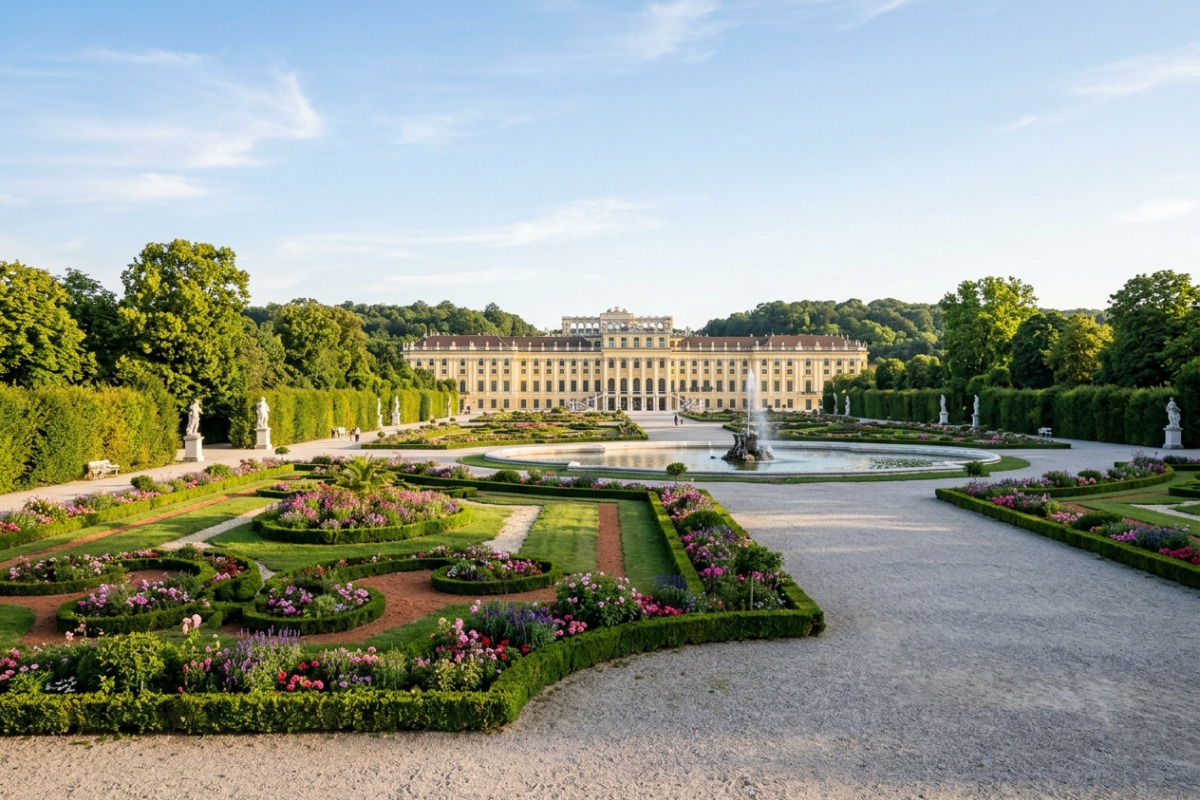
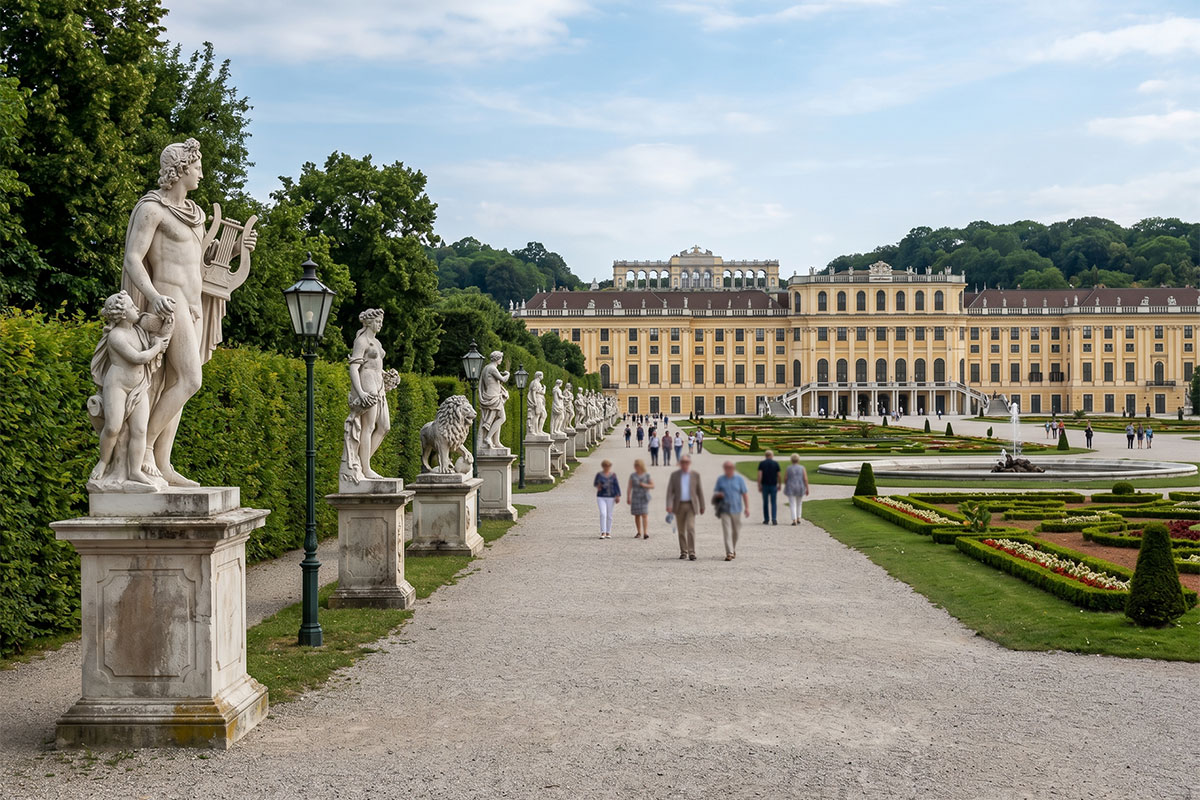
The gardens of Schönbrunn Palace were designed during the reign of Empress Maria Theresa in the 18th century, embodying the ideals of the Baroque era. The landscape was meticulously crafted to reflect the grandeur of the palace itself, serving as a backdrop for royal festivities and leisure activities. The careful planning of the garden layout, which integrates fountains, sculptures, and walking paths, not only showcases the artistic vision of the time but also demonstrates the importance of nature in the imperial court.
As you stroll through the gardens, you can sense the echoes of history in the air. Many of the trees and plants you see today were chosen for their symbolic meanings or their exotic origins, reflecting the Habsburgs' aspirations and connections with various cultures. The gardens were not merely ornamental; they were a space for the royal family to engage with nature and exemplify their wealth and power.
Diverse Plant Species: A Botanical Wonderland
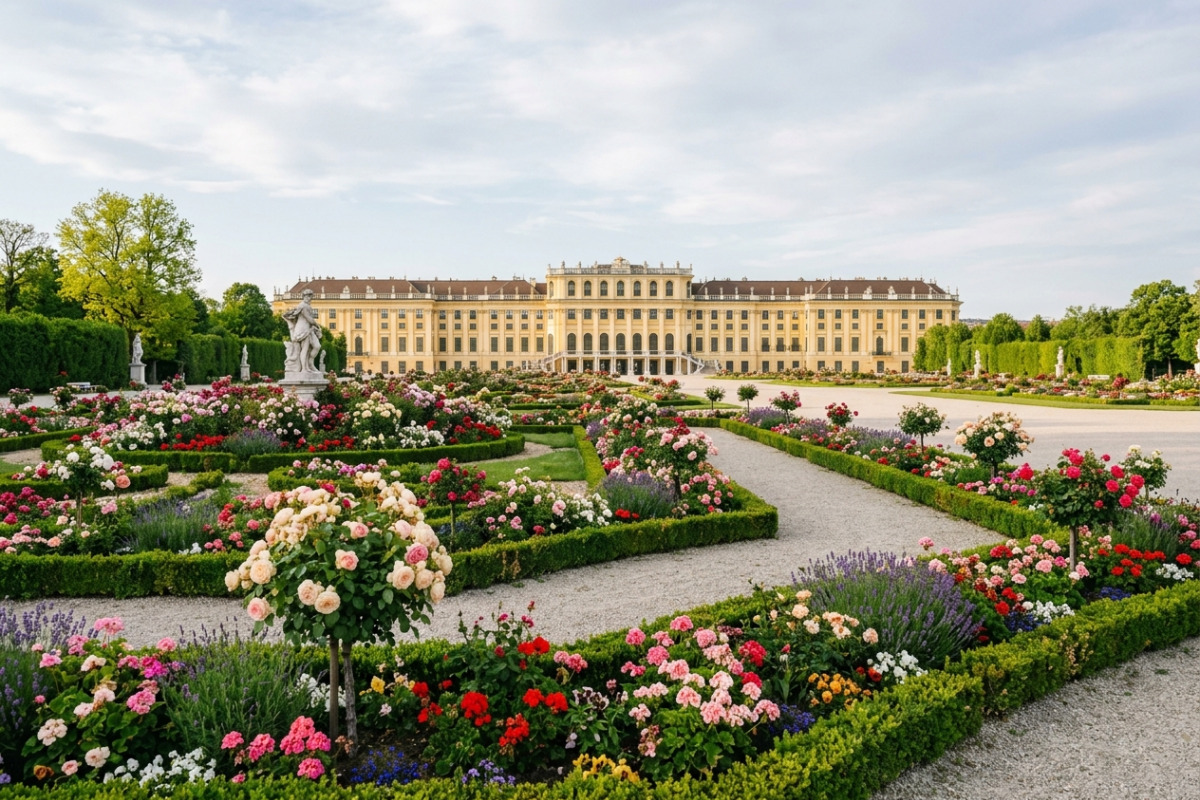
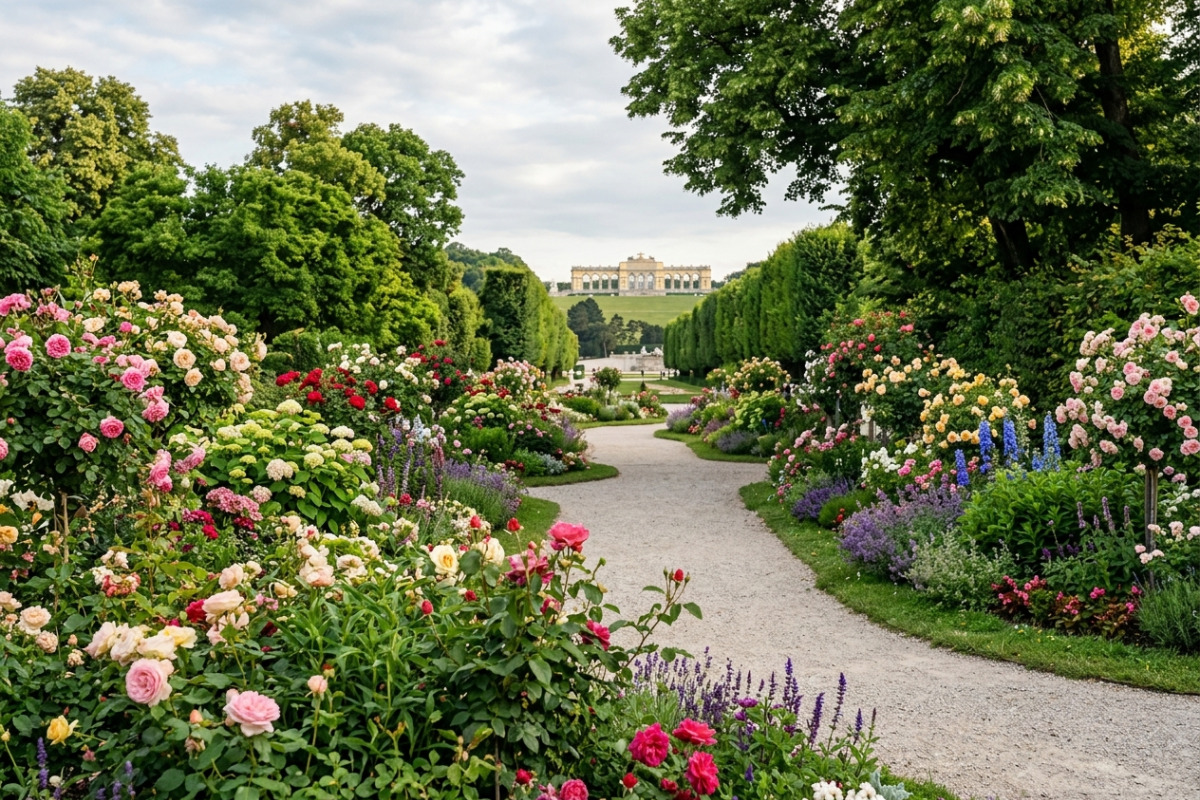
One of the most remarkable aspects of Schönbrunn Gardens is its incredible diversity of plant species. From towering trees to delicate flowers, the gardens host an array of flora that captivates botanists and casual visitors alike. The carefully curated collection includes many rare and exotic plants, such as the majestic sequoias, vibrant tulips, and fragrant roses that bloom in abundance during the warmer months.
Notably, the Palm House, located within the gardens, offers a glimpse into tropical and subtropical plant life. This Victorian-era glass structure houses a variety of palm species, cacti, and ferns, creating a microclimate that allows these plants to thrive. Visiting the Palm House is an experience that transports you from the heart of Vienna to a lush oasis filled with vibrant greenery.
Seasonal Transformations: A Garden for All Seasons
The beauty of Schönbrunn Palace Gardens is ever-changing, with each season bringing its own unique charm. In spring, the gardens burst into color as tulips and cherry blossoms bloom, creating a vibrant tapestry that beckons visitors to explore. Summer offers a lush, green landscape, perfect for leisurely walks and picnics beneath the shade of ancient trees.
As autumn approaches, the gardens transform once again, with foliage painting the landscape in hues of gold and crimson. This seasonal shift not only enhances the visual appeal of the gardens but also provides an opportunity to witness the natural cycle of life. Winter, while quieter, casts a serene beauty over the gardens, often blanketed in snow, inviting contemplation and tranquility.
Practical Tips for Your Visit
To fully appreciate the allure of Schönbrunn Palace Gardens, it's essential to plan your visit wisely. Here are a few practical tips:
- Timing is Key: Visiting during the spring or autumn allows you to witness the gardens in their most vibrant states.
- Guided Tours: Consider joining a guided tour to learn more about the historical and botanical aspects of the gardens.
- Photography: Bring your camera! The gardens offer countless photo opportunities, especially during the golden hour.
- Tickets: Make sure to purchase your tickets in advance to avoid long queues. For more information, click here.
Conclusion: Embrace the Beauty of Nature at Schönbrunn
Schönbrunn Palace Gardens are not just a beautiful landscape; they are a living testament to history, culture, and the art of gardening. Each visit reveals new insights into the past and the natural world, making it a rewarding experience for anyone who steps through its gates. Whether you are a history enthusiast, a nature lover, or simply seeking a peaceful retreat, the gardens promise an unforgettable journey. Don’t miss out on this botanical wonderland on your next trip to Vienna!