Stepping into the Schönbrunn Zoo is like stepping back in time, yet simultaneously witnessing the future of animal conservation. This isn't just any zoo; it's a living testament to centuries of history, evolving from an imperial menagerie into a world-renowned center for animal welfare and research. Prepare to be captivated by the stories woven into every enclosure, every pathway, and every animal encounter. (Imagine the roar of the lions, the playful antics of the pandas, and the serene presence of the giraffes – all within the walls of this historical landmark.)
From Imperial Collection to Modern Zoo
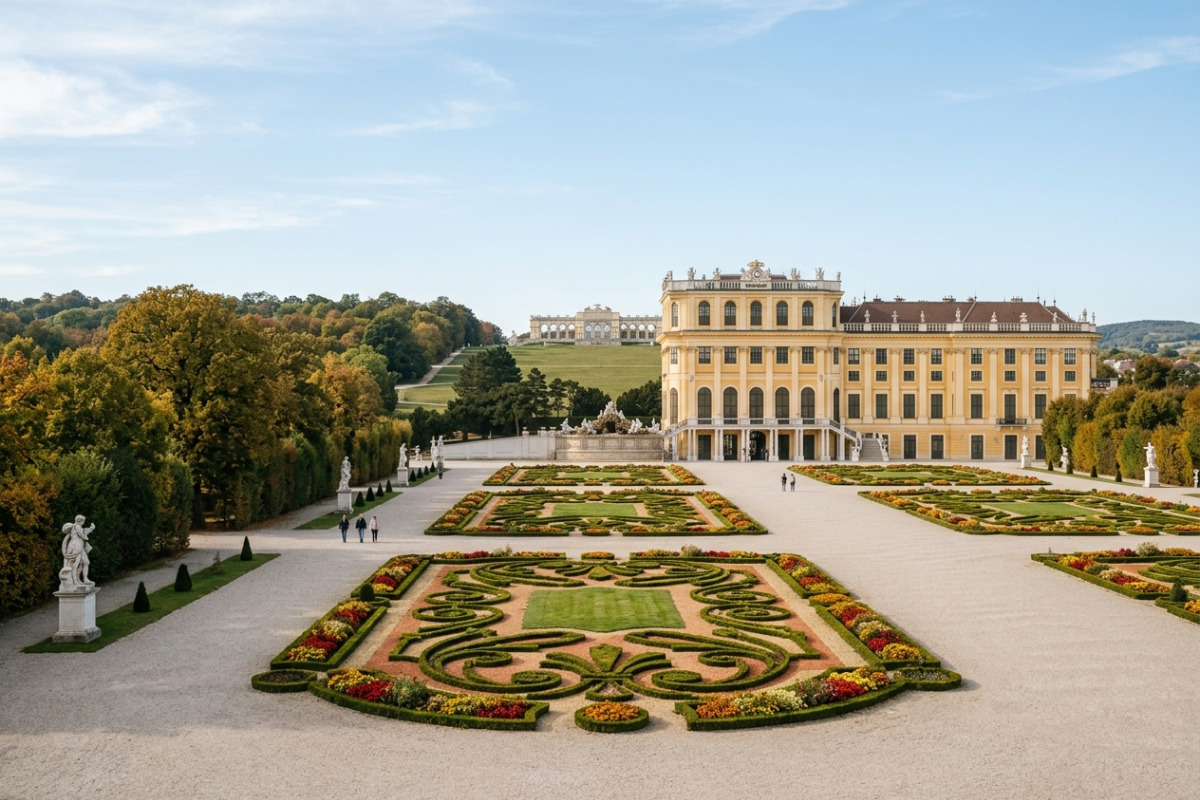
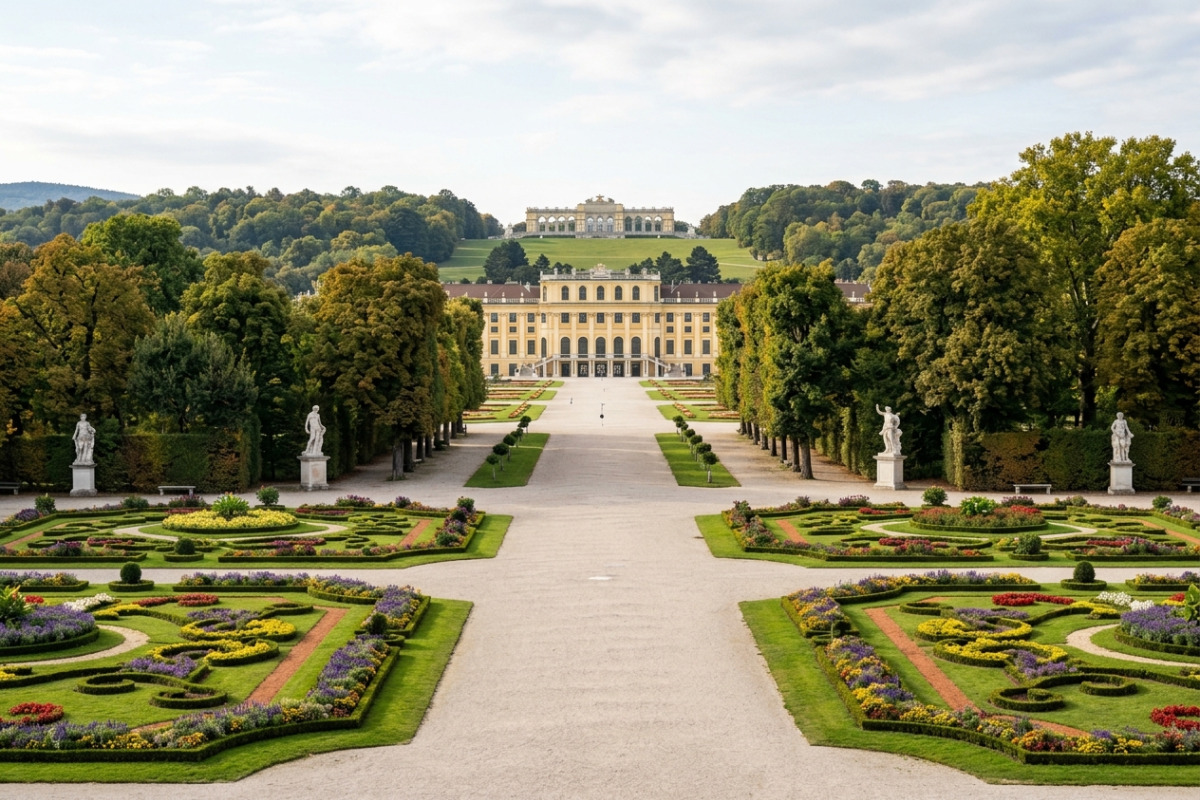
The story of Schönbrunn Zoo begins in 1752, when Emperor Franz I Stephan of Lorraine, husband of Maria Theresa, established an imperial menagerie within the grounds of Schönbrunn Palace. Initially intended as a private collection of exotic animals for the amusement of the imperial family, the menagerie quickly became a symbol of imperial power and wealth. Early inhabitants included lions, bears, wolves, and a variety of birds. Learn more about the historical context of Schönbrunn Palace and its evolution.
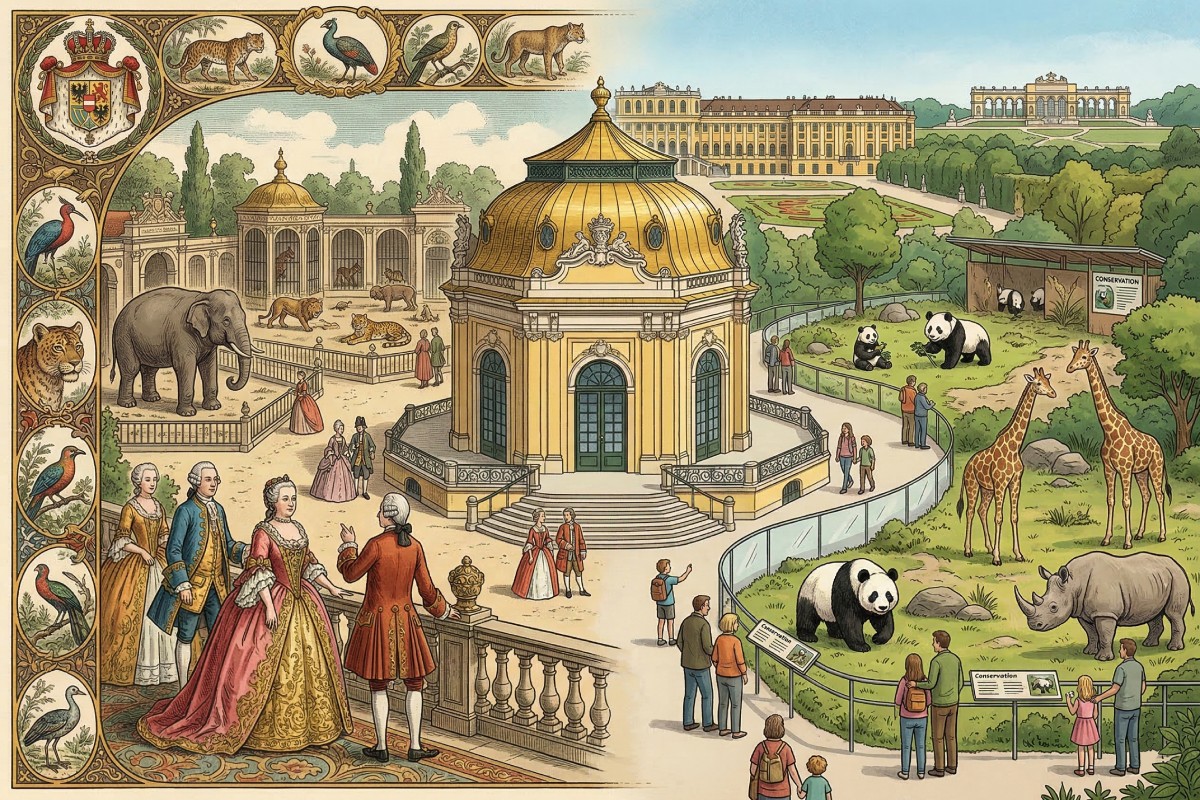
Imagine the scene: members of the court strolling through meticulously landscaped gardens, encountering creatures from far-flung corners of the globe. This wasn't merely about entertainment; it was about showcasing the Habsburg Empire's reach and influence. The presence of animals like the African Elephant, a symbol of power and exoticism, would have been particularly striking.
The Evolution of Animal Care
Over the centuries, the Schönbrunn Zoo has undergone a remarkable transformation. What began as a display of exotic animals has evolved into a sophisticated institution dedicated to conservation, research, and education. The zoo’s approach to animal care has changed dramatically, moving away from simple containment towards creating enriching and stimulating environments that cater to the specific needs of each species. This includes providing spacious enclosures, enrichment activities, and specialized diets.
- 19th Century Expansion: The zoo expanded significantly, adding new enclosures and species to its collection.
- Post-War Reconstruction: Rebuilding and modernization efforts were undertaken after both World Wars to improve animal welfare and visitor experience.
- Modern Conservation Efforts: Today, Schönbrunn Zoo is actively involved in numerous international breeding programs and conservation projects.
Iconic Animals Through the Ages
The Schönbrunn Zoo has been home to a diverse array of animals throughout its history. From the majestic lions that once symbolized imperial power to the giant pandas that now draw crowds from around the world, each species has played a role in shaping the zoo’s identity. Consider the impact of the giraffes, with their graceful necks reaching for the sky, or the playful seals, captivating audiences with their aquatic agility.
A Glimpse into the Past
Early records reveal a fascinating menagerie of creatures, many of which would have been unfamiliar to the Viennese public. Imagine the excitement of seeing elephants, giraffes, and primates for the first time! These animals were not just curiosities; they were ambassadors from distant lands, sparking curiosity and wonder. The Amur Leopard, a critically endangered species, represents the zoo's commitment to preserving biodiversity.
The Pandas: A Modern Icon
Today, the giant pandas are undoubtedly among the zoo's most popular residents. Their playful antics and endearing appearance have captured the hearts of visitors of all ages. Schönbrunn Zoo has achieved remarkable success in breeding giant pandas, contributing significantly to the conservation of this endangered species. The birth of panda cubs is always a cause for celebration, highlighting the zoo's expertise in animal husbandry.
Exploring Schönbrunn Zoo Today
Visiting Schönbrunn Zoo is an immersive experience that offers something for everyone. From exploring the meticulously designed enclosures to learning about the zoo's conservation efforts, there's always something new to discover. Consider checking out the other attractions at the Schönbrunn Palace grounds for a full day of exploration.
Must-See Exhibits
With such a diverse collection of animals, it can be hard to know where to start. Here are a few must-see exhibits:
- The Rainforest House: Step into a lush tropical environment and encounter exotic birds, reptiles, and primates. Look out for the vibrant macaws and the elusive sloths.
- The Polarium: Observe polar bears and penguins in their icy habitat. Witness the polar bears swimming gracefully and the penguins waddling playfully.
- The Orangutan House: Witness the intelligence and social behavior of these fascinating primates. Observe their problem-solving skills and their intricate family dynamics.
Planning Your Visit
To make the most of your visit, it's a good idea to plan ahead. Check the zoo's website for opening hours, feeding times, and special events. And don't forget to explore the beautiful Schönbrunn Gardens surrounding the zoo!
You can find visiting information on the official website.
| Section | Description |
| Rainforest House | A tropical environment with diverse flora and fauna. |
| Polarium | Home to polar bears and penguins in an icy environment. |
| Orangutan House | Observe orangutans and learn about their behavior. |
The Schönbrunn Zoo is more than just a place to see animals; it's a journey through time, a celebration of biodiversity, and a testament to the power of conservation. Whether you're a seasoned animal lover or simply looking for a unique and enriching experience, a visit to Schönbrunn Zoo is sure to leave you inspired.