Schönbrunn Palace, a UNESCO World Heritage site, is not only a stunning architectural marvel but also a cultural icon that has shaped Vienna’s identity over centuries. As you wander through its grand halls and magnificent gardens, it becomes clear that this palace is a testament to the artistic and historical legacy of the Habsburg dynasty. Understanding the cultural impact of Schönbrunn Palace provides a deeper appreciation for its role in shaping not just royal lives, but also the broader cultural landscape of Austria.
Artistic Patronage and Cultural Development
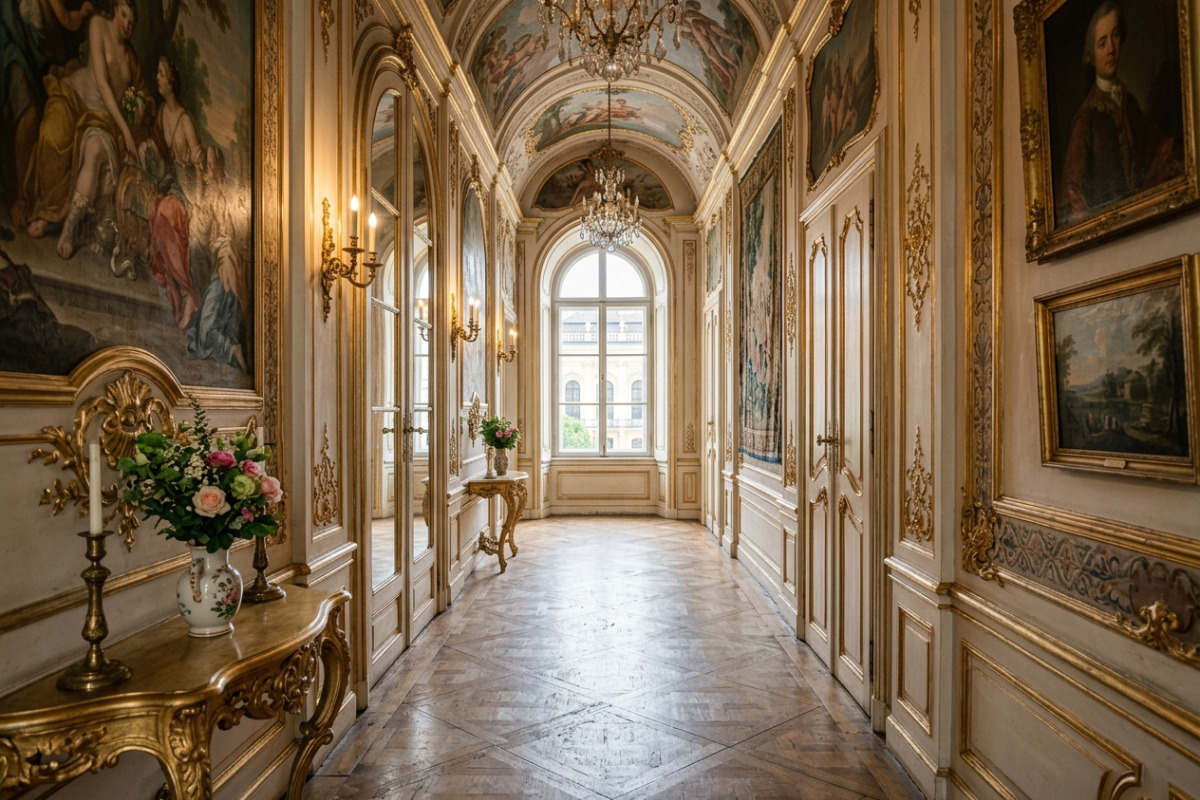
During the reign of Empress Maria Theresa, Schönbrunn Palace became a hub for artistic patronage. The Empress was not only a powerful ruler but also a significant influencer in the arts. By inviting artists, musicians, and architects to her court, she fostered a vibrant cultural environment that led to remarkable developments in various artistic fields. The palace itself reflects this artistic endeavor, showcasing stunning frescoes and intricate designs that speak of the Baroque style.
The influence of this artistic patronage extended beyond the palace walls, impacting the cultural fabric of Vienna and even Europe. Musicians such as Joseph Haydn and Wolfgang Amadeus Mozart often performed at Schönbrunn, and their works were inspired by the grandeur of the court. Today, visitors can experience this rich musical heritage through regular concerts held in the palace, allowing them to connect with the past in a unique way.
Architectural Significance and Innovation
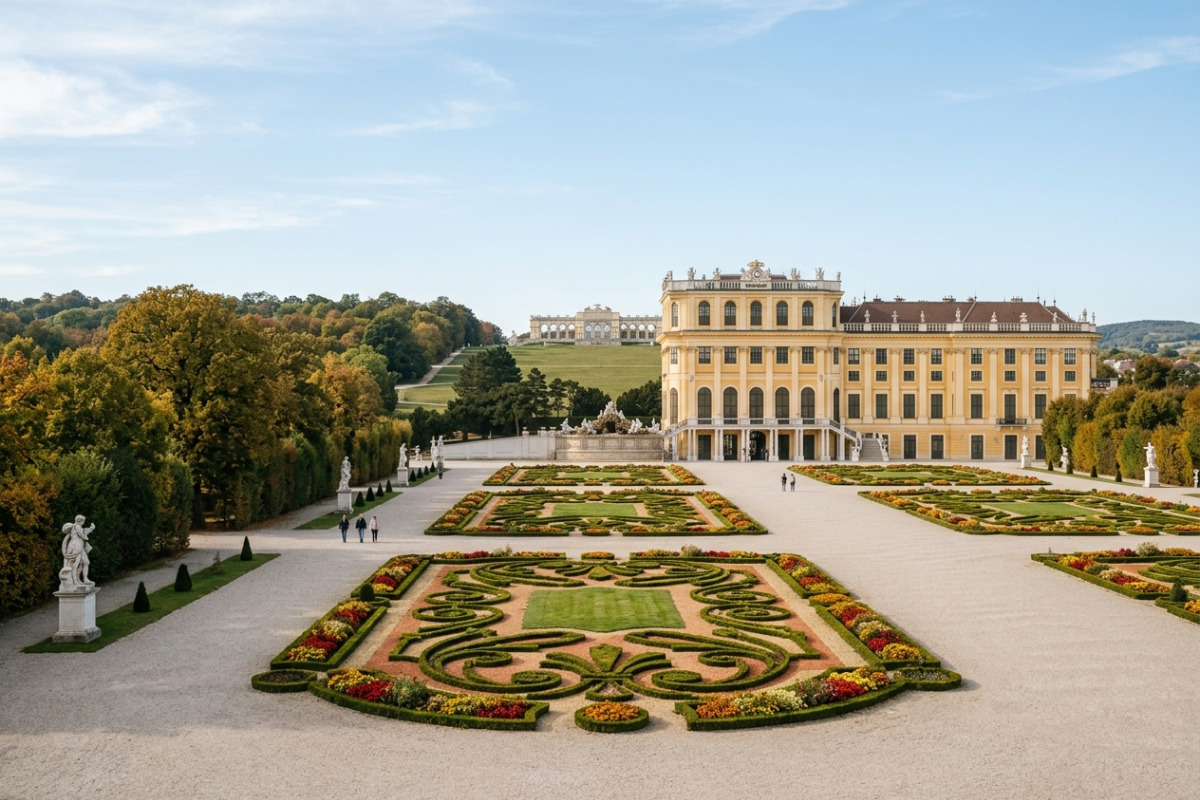
The architectural design of Schönbrunn Palace is another testament to its cultural importance. Commissioned in the 17th century, the palace underwent significant renovations under the direction of renowned architects like Johann Bernhard Fischer von Erlach. The blending of Baroque and Rococo elements creates a visual feast that continues to attract visitors from around the world.
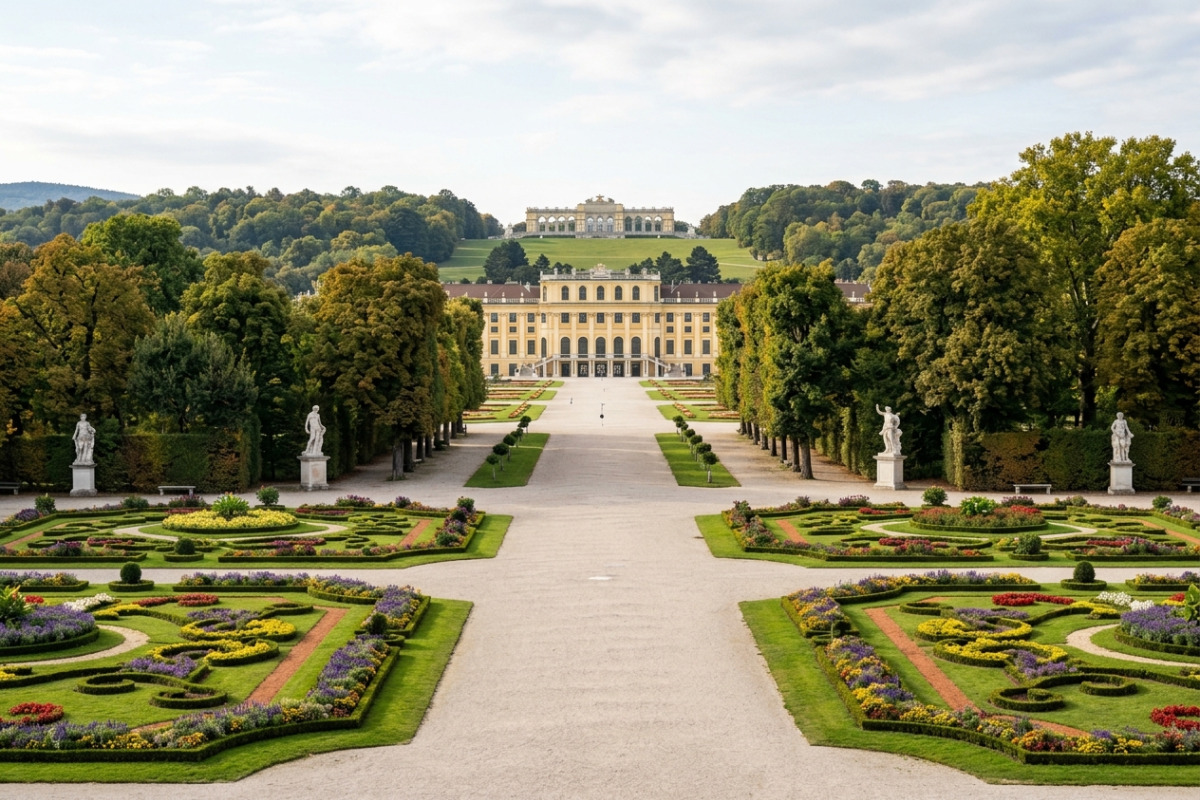
Moreover, the palace's layout and design reflect the ideals of the Enlightenment, emphasizing harmony, proportion, and beauty. This architectural innovation not only influenced subsequent palace designs across Europe but also contributed to the emergence of Vienna as a center of culture and sophistication. The palace gardens, meticulously designed, further enhance this architectural narrative, serving as a canvas for artistic expression in landscaping.
Schönbrunn Palace in Modern Culture
Today, Schönbrunn Palace remains a vital part of Vienna's cultural and social life. It hosts various events, exhibitions, and festivals that celebrate both its history and contemporary culture. The palace attracts millions of visitors each year, eager to explore its historical significance and enjoy its beauty. This ongoing engagement with the palace helps to keep its rich history alive while also making it relevant to modern audiences.
Furthermore, Schönbrunn serves as a cultural ambassador, representing Austria's heritage on the global stage. Its inclusion in various films, documentaries, and literature highlights its importance not just as a historical site, but as a symbol of Austrian identity. This enduring legacy ensures that Schönbrunn Palace will continue to inspire future generations, making it a crucial part of the cultural narrative of Vienna.
Planning Your Visit to Schönbrunn Palace
If you're planning to explore the cultural depths of Schönbrunn Palace, consider visiting during one of its special events or concerts for a truly immersive experience. You can find more information about visiting the palace, including ticket options and tour details, on the official website. Don't miss the chance to witness the stunning architecture and rich history that have made Schönbrunn Palace a cornerstone of Austrian culture.