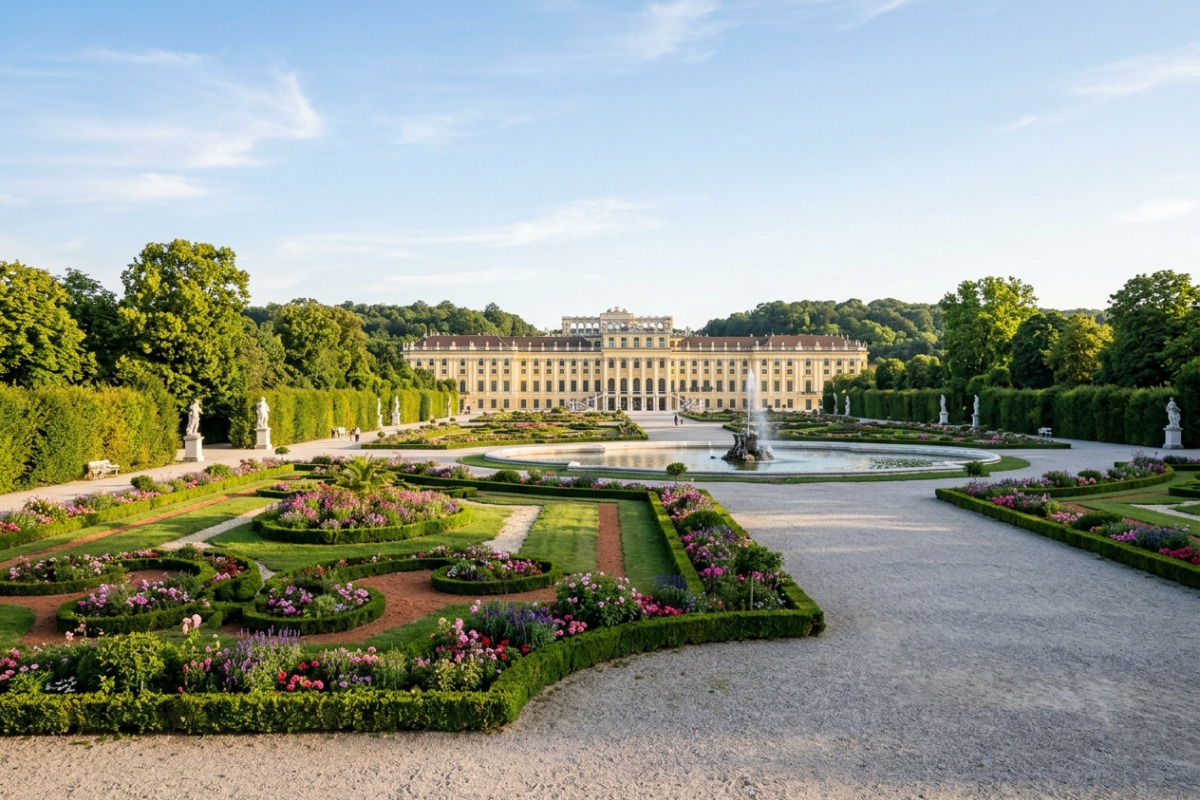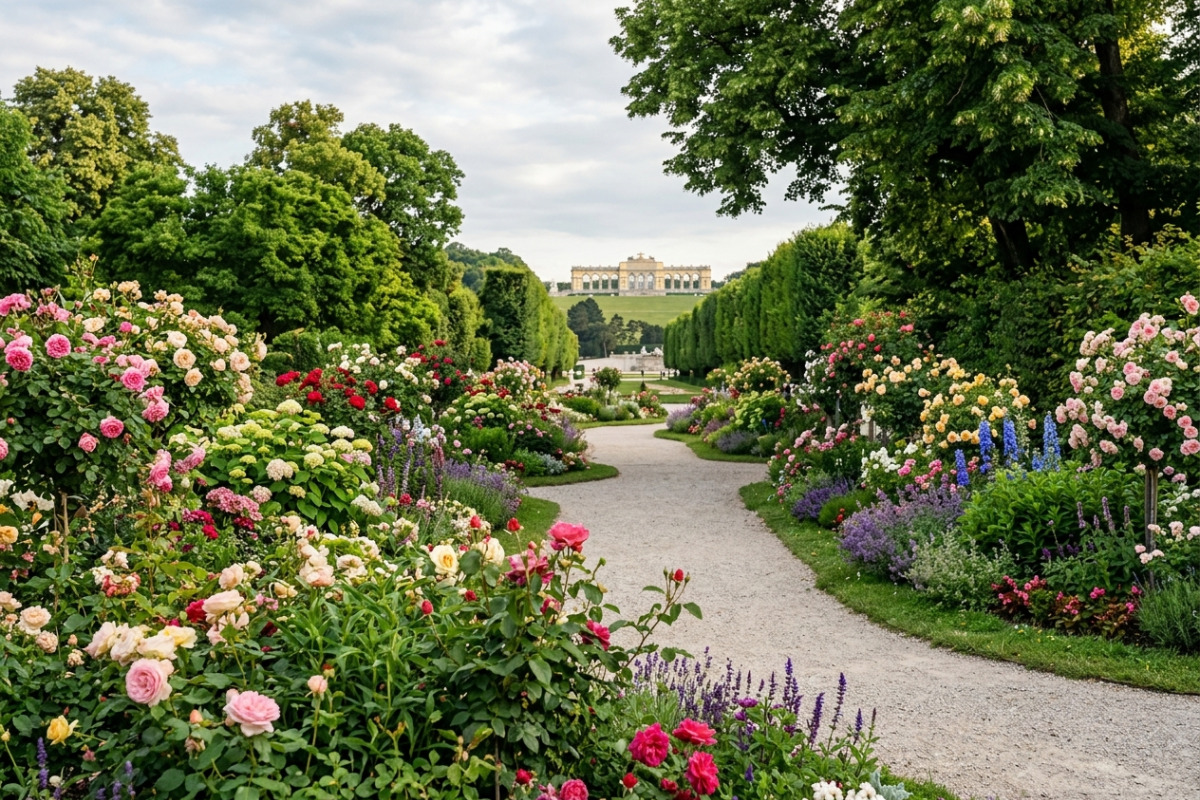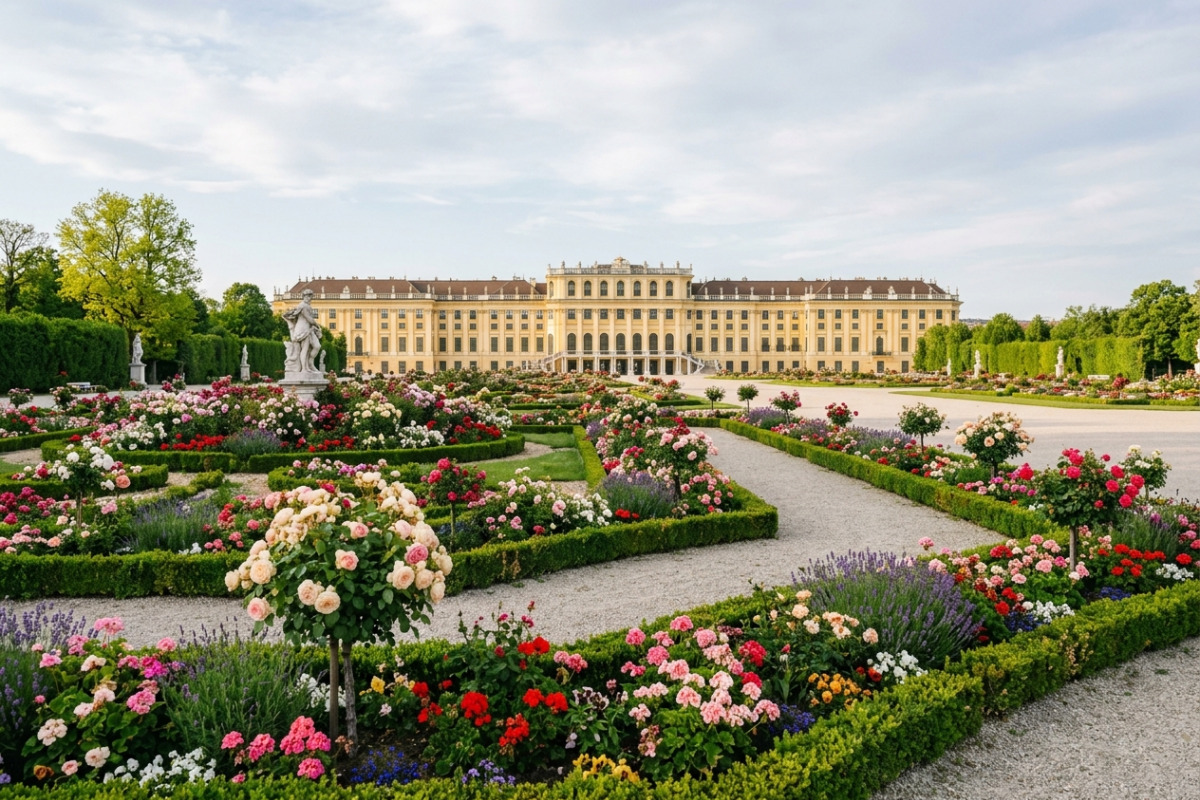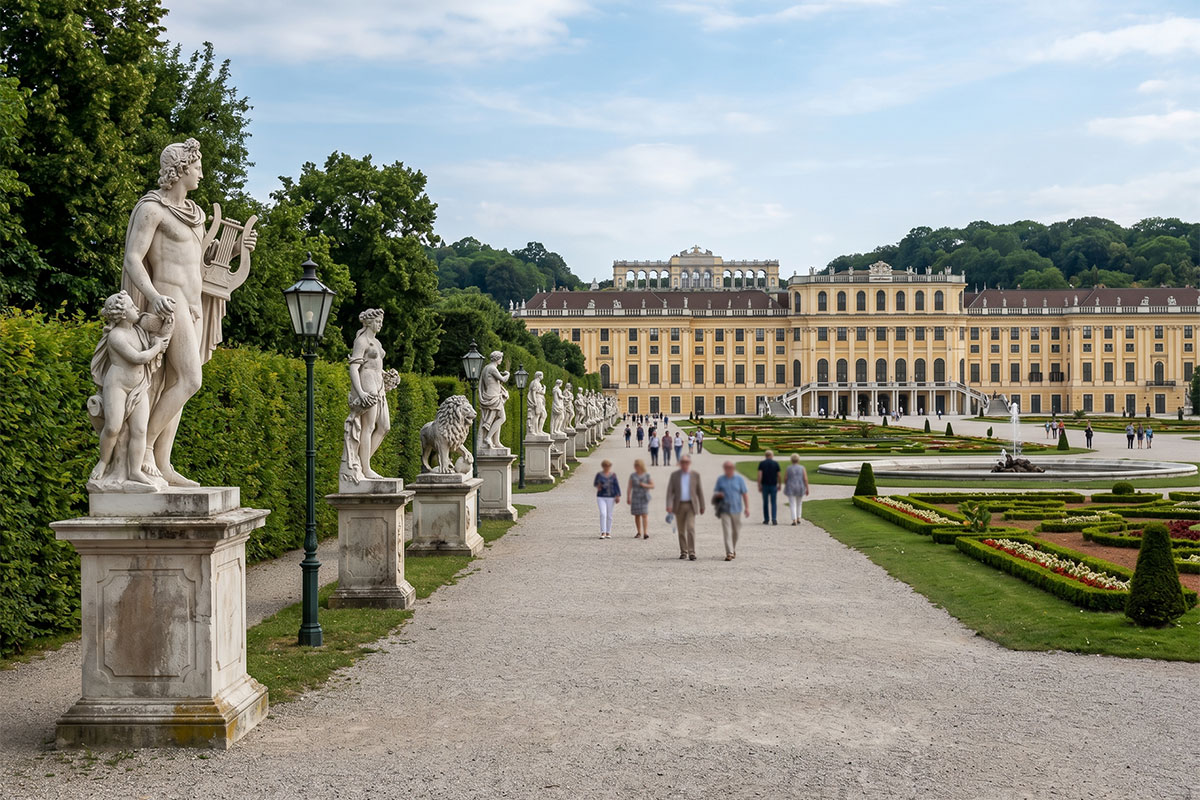
Schönbrunn Palace, a UNESCO World Heritage site, is renowned for its opulent palace and meticulously manicured gardens. While the palace itself draws visitors from around the globe, the Schönbrunn Gardens offer another layer of historical and artistic significance, particularly through its stunning collection of sculptures. These aren't mere decorations; they are integral to the garden's design, reflecting the Habsburg dynasty's power, artistic sensibilities, and engagement with classical mythology. Embark on a journey through this open-air art gallery and uncover the stories etched in stone.
A Walk Through Time: The Sculptures of Schönbrunn
As you stroll through the Gardens, you'll encounter a diverse array of sculptures, each carefully positioned to enhance the visual experience and convey specific messages. The majority of these sculptures were created during the reign of Empress Maria Theresa, a period of significant artistic and cultural flourishing in Austria. The overall design was conceived by Johann Ferdinand Hetzendorf von Hohenberg, who aimed to create a harmonious blend of nature and art.
The Great Parterre and its Mythological Figures
The Great Parterre, the expansive lawn directly behind the palace, serves as a grand stage for several prominent sculptural groups. Many of these depict figures from Greek and Roman mythology, reflecting the era's fascination with classical antiquity. For example, you'll find sculptures representing gods and goddesses like Neptune, Apollo, and Diana, each embodying different aspects of power, beauty, and wisdom. These figures weren't simply decorative; they were intended to evoke a sense of grandeur and connect the Habsburg dynasty to the legacy of the Roman emperors.
The Neptune Fountain: A Centrepiece of Baroque Splendor
One of the most iconic sculptures in Schönbrunn is the Neptune Fountain (Neptunbrunnen), located at the foot of the Gloriette hill. This imposing fountain depicts Neptune, the Roman god of the sea, surrounded by nymphs and other mythical creatures. The fountain’s powerful imagery reinforces the Habsburgs' dominion and their connection to the natural world. The Neptune Fountain is not just a visual spectacle; it’s a testament to the engineering prowess of the time, as it required a complex system of pipes and pumps to operate.
The Obelisk Fountain: A Symbolic Monument
The Obelisk Fountain, another significant sculptural element, features an obelisk supported by giants and allegorical figures. Obelisks, traditionally associated with ancient Egypt, symbolized power and eternity. The Obelisk Fountain at Schönbrunn reinforces these themes while also showcasing the artistic skill of its creators. The surrounding figures add layers of meaning, representing the triumph of reason and order over chaos.
Sculptural Styles and Artists
The sculptures at Schönbrunn represent a range of Baroque styles, from the dramatic and dynamic to the more refined and elegant. The High Baroque style, prevalent during the reign of Emperor Charles VI, is characterized by its grandeur and emotional intensity, evident in works like the Neptune Fountain. Later, under Empress Maria Theresa, a shift towards a more restrained and elegant Rococo style can be observed in some of the allegorical figures and smaller sculptures. While many artists contributed to the garden's sculptural program, some of the most prominent include:
- Johann Baptist Hagenauer: Known for his work on the Neptune Fountain. His style is characterized by its dynamic composition and attention to detail, perfectly embodying the High Baroque aesthetic.
- Lorenz Wilhelm Beyer: Responsible for several allegorical figures throughout the gardens. Beyer's work often displays a more refined and elegant touch, reflecting the evolving tastes of the era. He skillfully captured the nuances of human form and emotion in his sculptures.
- Benedikt Henrici: Another important sculptor who contributed significantly to the garden's statuary. His contributions helped shape the overall artistic vision of Schönbrunn.
Their combined talents transformed the Schönbrunn Gardens into a masterpiece of Baroque art and landscape design. The diverse styles and artistic visions of these sculptors contribute to the richness and complexity of Schönbrunn's open-air art gallery.
Planning Your Visit to Schönbrunn's Open-Air Art Gallery
Exploring the sculptures of Schönbrunn is a rewarding experience that can be enhanced with some planning. Allow ample time to wander through the gardens and appreciate the artistry on display. Consider taking a guided tour to learn more about the history and symbolism of the sculptures. Information on attractions and visiting information is available on the official website.
Tips for Appreciating the Sculptures
To fully appreciate the sculptures of Schönbrunn, consider the following:
- Take your time: Don't rush through the gardens. Allow yourself to linger and observe the details of each sculpture.
- Consider the context: Think about the historical and cultural context in which the sculptures were created. What messages were they intended to convey?
- Look for symbolism: Many of the sculptures are rich in symbolism. Pay attention to the attributes and gestures of the figures.
By taking a mindful approach, you can unlock a deeper understanding of the art and history of Schönbrunn.
Beyond the Sculptures: Exploring Schönbrunn Palace
While the sculptures are a highlight, Schönbrunn Palace offers much more to discover. The palace itself is a marvel of Baroque architecture, with opulent interiors and fascinating history. You can purchase tickets to explore the palace and its various attractions.
From the Imperial Apartments to the Gloriette, Schönbrunn offers a glimpse into the lives of the Habsburg emperors and empresses. Don't miss the opportunity to experience the full splendor of this remarkable site.
Schönbrunn: A Timeless Masterpiece
The sculptures of Schönbrunn Palace Gardens are an integral part of its charm and historical significance. They offer a unique opportunity to engage with art, history, and nature in a truly memorable setting. Whether you're an art enthusiast, a history buff, or simply seeking a beautiful place to explore, Schönbrunn is sure to captivate your senses and leave you with lasting impressions.