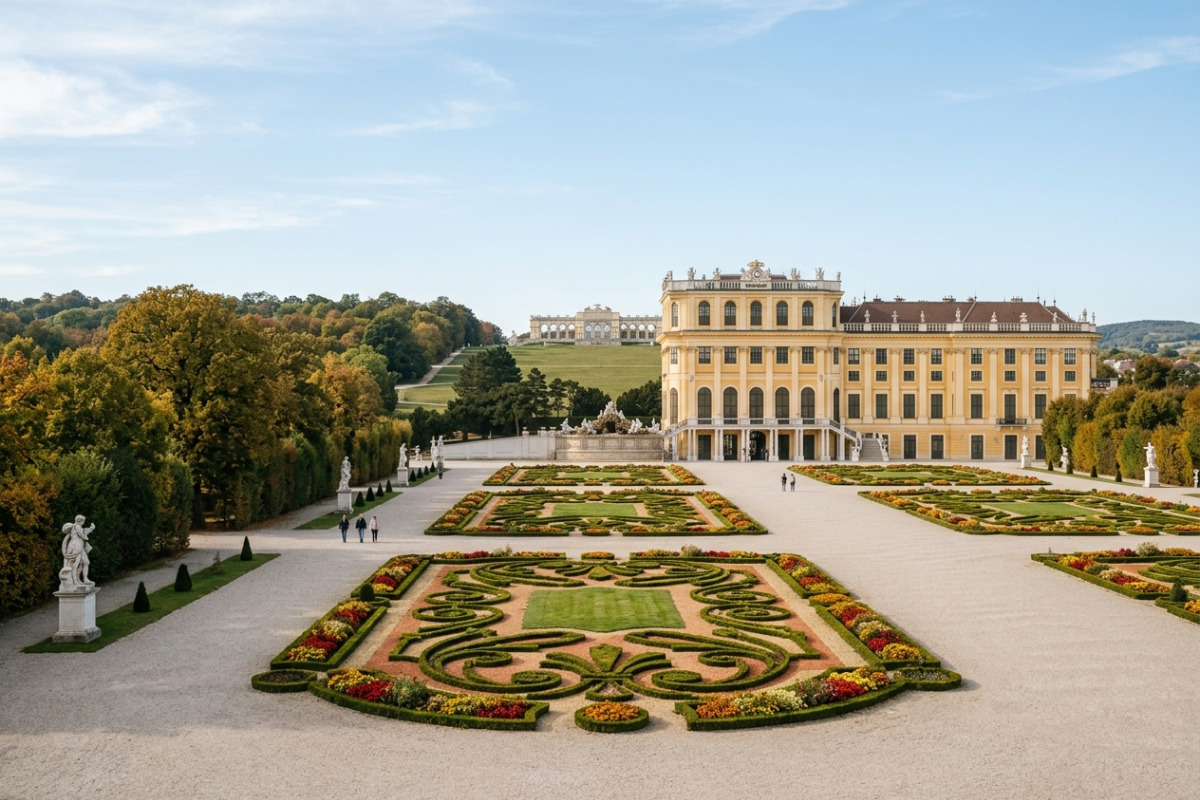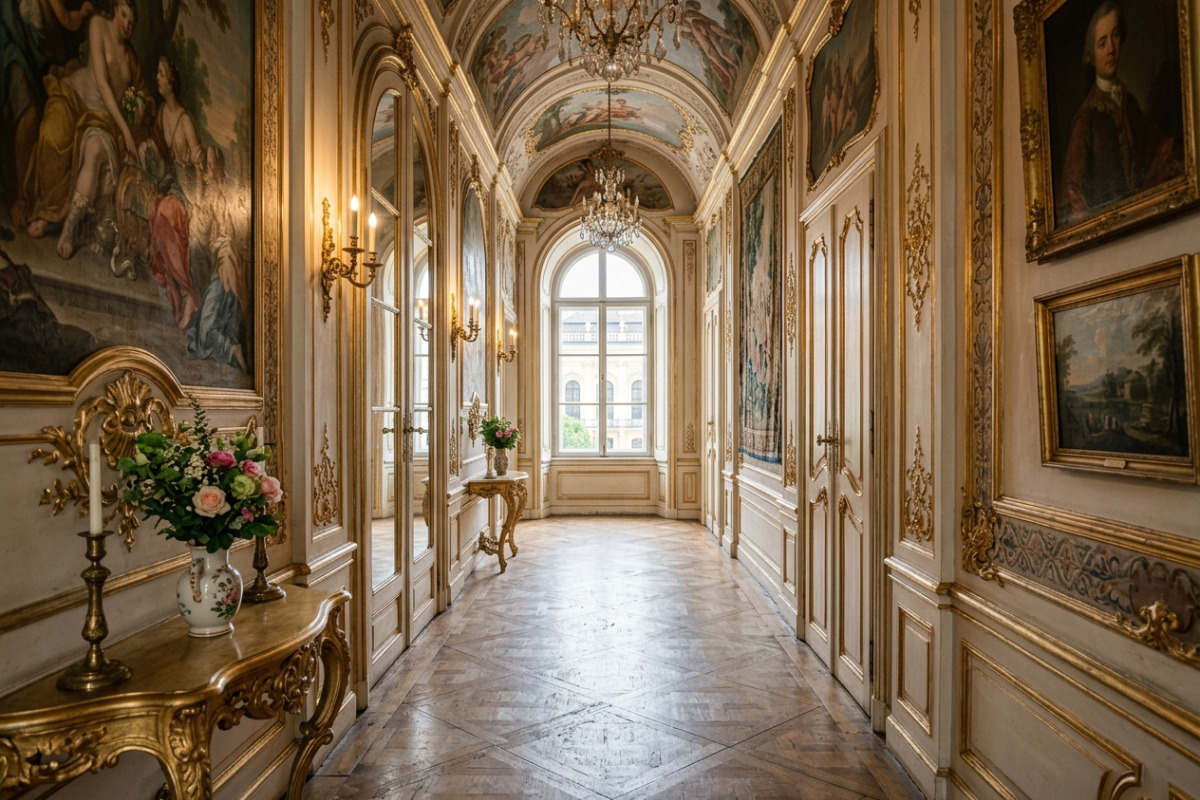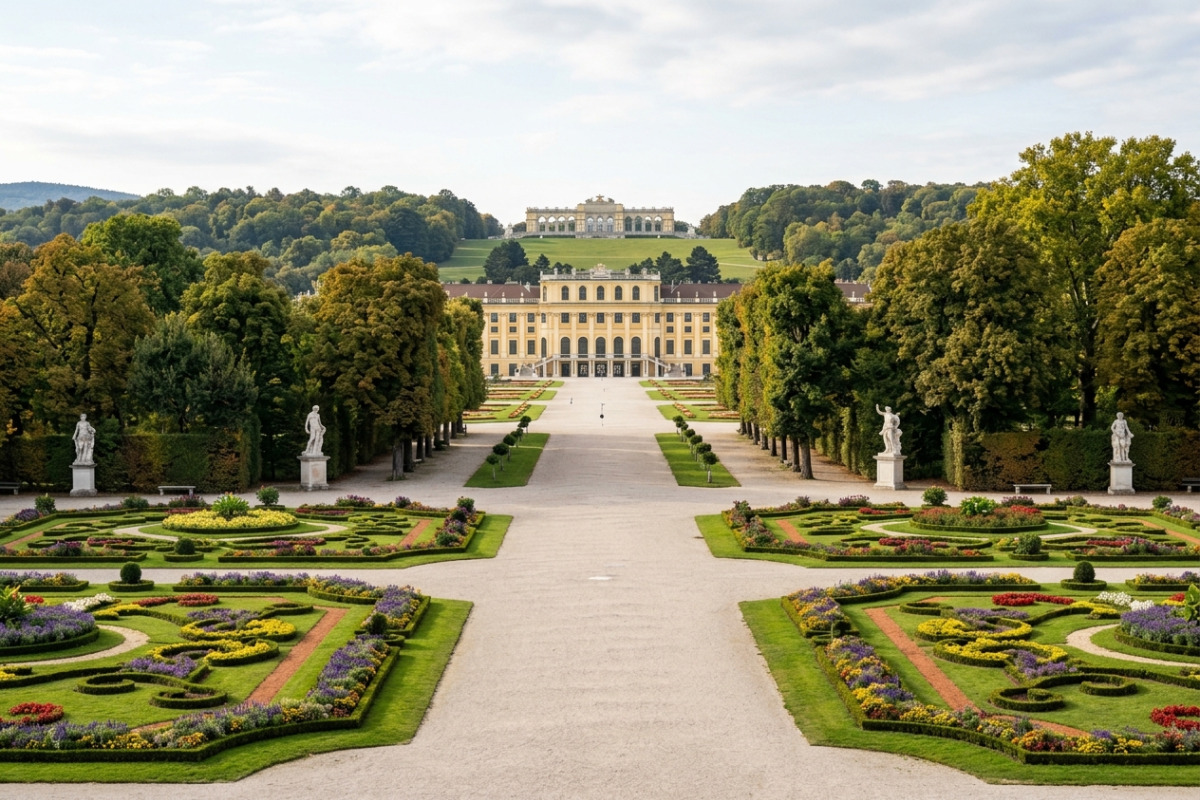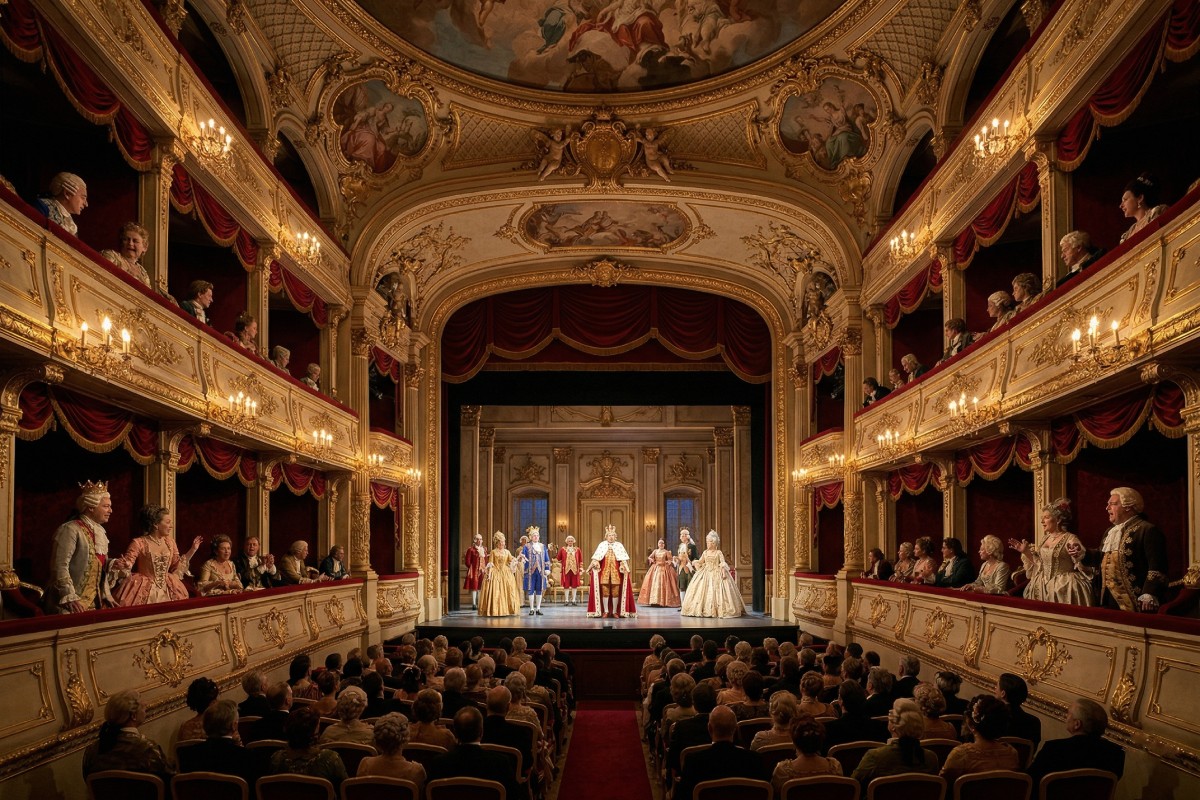
Schönbrunn Palace, a breathtaking testament to Austria's imperial history, is more than just gilded halls and sprawling gardens. Hidden within its majestic walls lie stories whispered from the wings of its theatres, spaces where royal drama unfolded, and the echoes of applause still resonate. These were not merely stages; they were intimate settings for the imperial family's private entertainment, showcasing grand operas, theatrical performances, and the talents of renowned artists. Imagine emperors and empresses, their faces illuminated by candlelight, losing themselves in the performances – a stark contrast to the weight of their imperial duties.
A Glimpse into Imperial Entertainment
Imagine a world of flickering candlelight, opulent costumes, and the hushed anticipation of an audience comprised of emperors, empresses, and their esteemed guests. Schönbrunn's theatres offered a sanctuary, a retreat from the responsibilities of ruling an empire. Here, they could lose themselves in the magic of performance, captivated by the artistry unfolding before them. The theatres provided a space for relaxation, cultural enrichment, and the fostering of artistic patronage. Think of the elaborate sets, the intricate costumes, and the sheer spectacle designed to impress and entertain the imperial court.
The Evolution of Schönbrunn's Theatres
The history of theatre at Schönbrunn is interwoven with the palace's own evolution. While the exact origins are shrouded in some mystery, evidence suggests that theatrical performances were a part of court life from the earliest days of the palace. Over the centuries, these spaces were adapted, renovated, and expanded to meet the changing tastes and artistic demands of the imperial residents. To fully appreciate the palace's rich past, consider exploring its history and the stories it holds. Early performances likely took place in temporary spaces, gradually evolving into dedicated theatre venues.
One of the most significant transformations occurred during the reign of Empress Maria Theresa, a passionate patron of the arts. Under her direction, the theatre was redesigned to accommodate larger audiences and more elaborate productions. This period marked a golden age for theatre at Schönbrunn, with performances becoming increasingly sophisticated and attracting some of the most talented artists of the time. Maria Theresa's influence ensured that the theatre became a central hub for artistic innovation and imperial entertainment.
The Artists and Composers Who Graced the Stage
Schönbrunn's theatres were not just venues; they were platforms for artistic expression, attracting a constellation of talent. Composers, playwrights, singers, and dancers all contributed to the vibrant tapestry of performances that graced these stages. Many renowned figures of the era, names that still resonate today, found themselves performing within the hallowed halls of Schönbrunn.
- Composers: The music of Mozart, Haydn, and Salieri likely filled the air, commissioned to write works specifically for the imperial court. Mozart, in particular, enjoyed a close relationship with the Habsburgs, and his music was frequently performed at Schönbrunn.
- Playwrights: Established and emerging playwrights crafted dramas and comedies, reflecting the social and political currents of the time. These plays often provided commentary on court life and the challenges of leadership.
- Singers and Dancers: Talented performers from across Europe were invited to showcase their skills, adding to the international flair of Schönbrunn's theatrical offerings. Their performances brought a diverse range of styles and traditions to the imperial court.
A Stage for Special Occasions
Beyond regular performances, Schönbrunn's theatres played a vital role in celebrating important events within the imperial family. Royal birthdays, weddings, and state visits were often marked with elaborate theatrical productions, showcasing the wealth, power, and cultural sophistication of the Habsburg dynasty. These performances were not just entertainment; they were carefully orchestrated displays of imperial grandeur. The costumes, the sets, and the music were all designed to impress and reinforce the image of imperial power.
The theatres also served as a space for private entertainment, offering a more intimate setting for the imperial family to relax and enjoy the company of close friends and associates. These private performances allowed for greater experimentation and artistic freedom, fostering a creative environment within the palace walls. They provided a rare glimpse into the personal lives of the emperors and empresses.
Visiting Schönbrunn Palace Today
While the theatres may no longer host regular performances, their legacy lives on within the walls of Schönbrunn Palace. Visitors can still explore these historic spaces, imagining the grand operas and theatrical productions that once unfolded there. The palace offers a variety of tours and attractions that provide a glimpse into the lives of the imperial family and the rich cultural heritage of Austria.
Planning your visit is key to experiencing all that Schönbrunn has to offer. Be sure to check visiting information for the most up-to-date details on opening hours, tour availability, and any special events that may be taking place. Purchasing tickets in advance is highly recommended, especially during peak season, to avoid long queues and ensure you can access all the areas you wish to explore.
Preserving the Legacy
The preservation of Schönbrunn's theatres is of paramount importance, ensuring that future generations can appreciate the rich cultural heritage they represent. Ongoing restoration efforts and historical research are vital to maintaining the integrity of these spaces and uncovering new insights into their past. By safeguarding these treasures, we can continue to learn from the past and celebrate the enduring legacy of Schönbrunn Palace. The meticulous work of historians and conservators helps to bring the stories of these theatres to life.
The theatres of Schönbrunn Palace stand as a testament to the power of art and entertainment to shape history and culture. They offer a unique window into the lives of the imperial family and the vibrant artistic scene of their time. As you explore the palace, take a moment to imagine the royal drama that unfolded within these walls, and let the echoes of applause transport you back to a time of imperial grandeur.