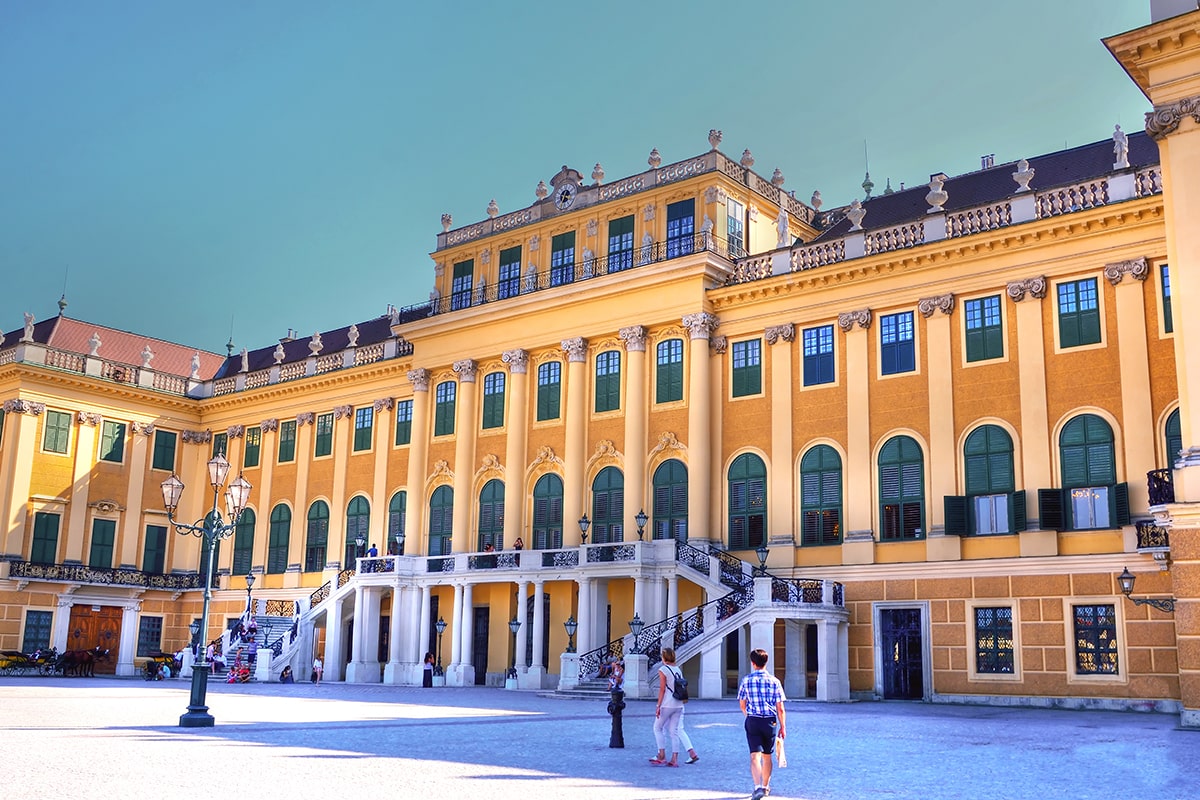
Schönbrunn Palace, a UNESCO World Heritage site, is more than just a magnificent imperial residence; it's a treasure trove of art and history waiting to be discovered. Beyond the opulent staterooms and meticulously manicured gardens, lies an impressive collection of paintings, sculptures, and decorative arts that offer a glimpse into the artistic tastes and cultural influences of the Habsburg dynasty. This guide is designed for art enthusiasts eager to delve into the artistic heritage of Schönbrunn Palace, highlighting key masterpieces and providing insights into their historical and cultural significance.
Exploring the Palace's Artistic Highlights
A visit to Schönbrunn offers an unparalleled opportunity to immerse yourself in the world of Baroque and Rococo art. From breathtaking ceiling frescoes to meticulously crafted furniture, every corner of the palace reflects the artistic sensibilities of its time. Before embarking on your artistic journey, it's a good idea to check the attractions and their respective opening hours to make the most of your visit.
The Grand Gallery: A Celebration of Imperial Power
The Grand Gallery is undoubtedly one of the most breathtaking spaces within Schönbrunn Palace. Adorned with stucco decorations and magnificent ceiling paintings by Italian artists, it serves as a testament to the power and grandeur of the Habsburg emperors. The allegorical scenes depicted celebrate the reign of Maria Theresa and her husband, Francis Stephen of Lorraine, portraying them as enlightened rulers and patrons of the arts.
The Hall of Mirrors: Reflections of Elegance and History
Famous for being the room where the six-year-old Mozart performed for Empress Maria Theresa in 1762, the Hall of Mirrors is a masterpiece of Rococo design. The walls are lined with large mirrors that reflect the light and create an illusion of endless space. The intricate stucco work and gilded decorations add to the room's overall elegance and charm. Imagine young Mozart captivating the Empress and her court, a moment frozen in time within these very walls.
Maria Theresa's Apartments: A Glimpse into Imperial Life
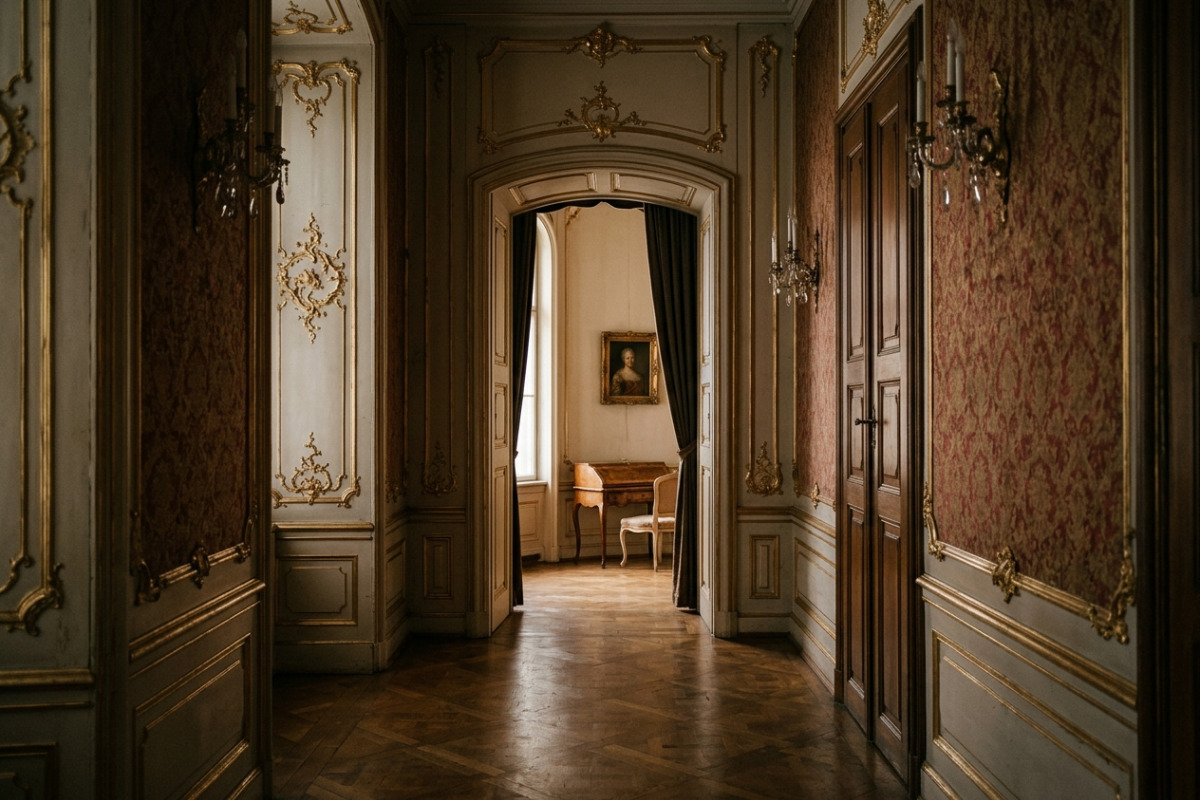
Maria Theresa's apartments offer a more intimate glimpse into the daily life of the Empress. While still opulent, these rooms are decorated with a sense of personal taste and reflect the changing styles of the 18th century. Pay close attention to the furniture, tapestries, and portraits that adorn these rooms, as they offer valuable insights into the Empress's personality and her role as a powerful political figure.
The Vieux-Laque Room: An Oriental Oasis
A unique and fascinating room within Schönbrunn Palace is the Vieux-Laque Room. Decorated with Chinese lacquer panels, this room reflects the growing interest in Oriental art and culture during the 18th century. The intricate details and vibrant colors of the lacquer panels create a striking contrast to the more traditional European decorations found elsewhere in the palace.
Key Artistic Treasures to Look Out For
Schönbrunn Palace houses a vast collection of artistic treasures. Here are some of the highlights you shouldn't miss:
- The Portrait of Maria Theresa by Martin van Meytens: This iconic portrait captures the Empress in her full regalia, showcasing her power and authority.
- The Ceiling Frescoes in the Grand Gallery: These magnificent frescoes, created by Italian artists, depict allegorical scenes celebrating the reign of Maria Theresa and Francis Stephen of Lorraine.
- The Chinese Lacquer Panels in the Vieux-Laque Room: These intricate panels offer a glimpse into the world of Oriental art and culture.
- The Carriages in the Imperial Carriage Museum: While technically not inside the palace itself, the Imperial Carriage Museum (part of the Schönbrunn complex) houses an impressive collection of imperial carriages, showcasing the craftsmanship and artistry of these magnificent vehicles.
Planning Your Visit to Schönbrunn Palace
To make the most of your artistic exploration of Schönbrunn Palace, it's essential to plan your visit in advance. Consider these tips:
- Purchase your tickets online: This will save you time and allow you to skip the ticket lines, especially during peak season.
- Allocate sufficient time: Schönbrunn Palace is vast, and there's a lot to see. Plan to spend at least half a day exploring the palace and its gardens.
- Consider a guided tour: A guided tour can provide valuable insights into the history and art of the palace.
- Wear comfortable shoes: You'll be doing a lot of walking, so comfortable shoes are essential.
Beyond the Palace: Exploring the Gardens and Surrounding Area
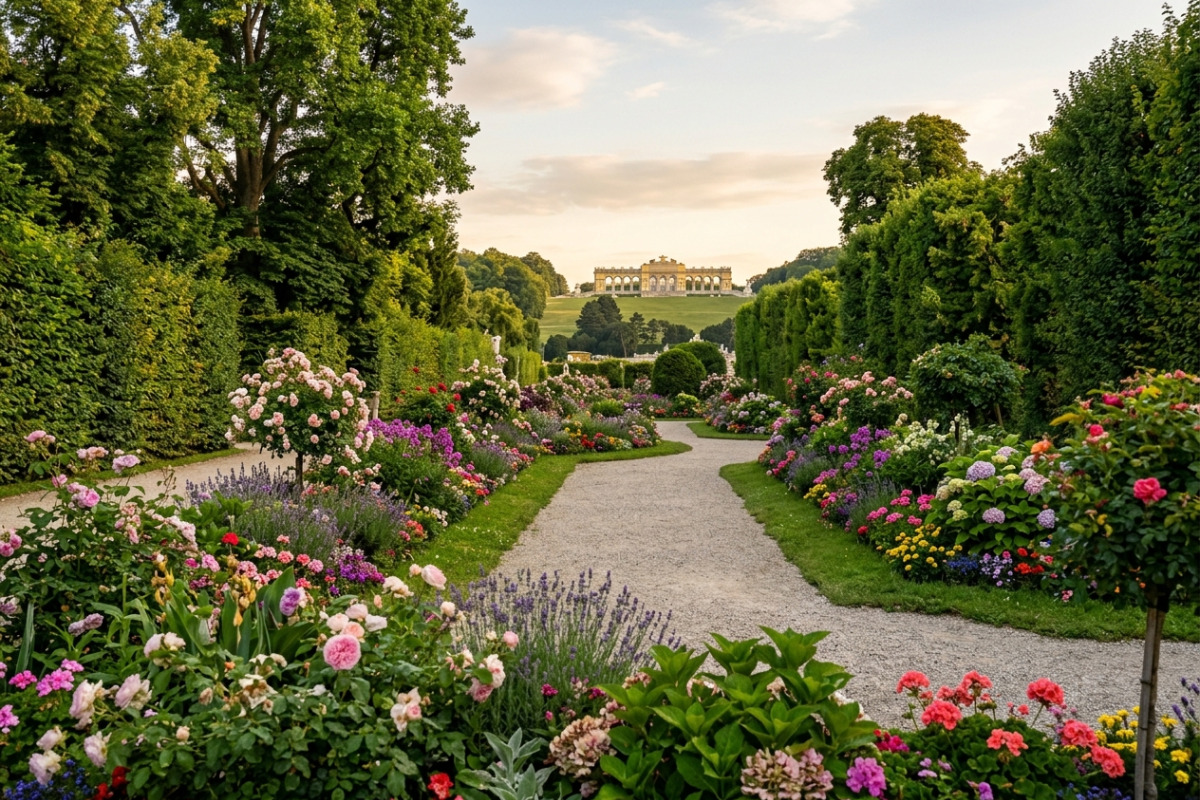
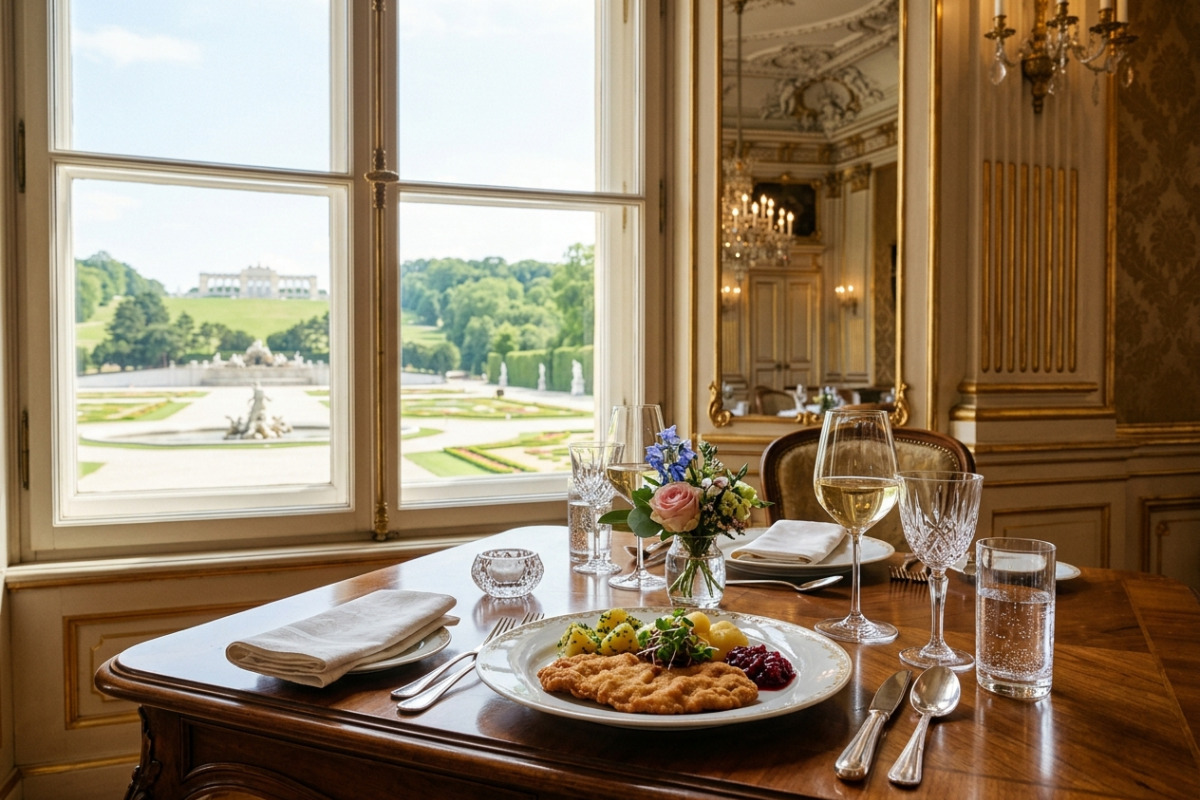
Don't limit your visit to just the palace itself. The Schönbrunn Gardens are a masterpiece of landscape design, offering stunning views, fountains, and sculptures. Explore the Gloriette, a monumental arch offering panoramic views of Vienna, or visit the Schönbrunn Zoo, the oldest zoo in the world still in operation.
Schönbrunn Palace is easily accessible by public transport, making it a convenient destination for visitors to Vienna. The visiting information page provides detailed directions and information on transportation options.
Schönbrunn: A Timeless Testament to Art and History
Schönbrunn Palace is more than just a historical landmark; it's a living testament to the power of art and its ability to transcend time. By exploring the palace's artistic treasures, you'll gain a deeper appreciation for the Habsburg dynasty and their contribution to European culture. So, plan your visit today and prepare to be captivated by the beauty and grandeur of Schönbrunn Palace. Whether you are interested in Baroque art, Rococo design, or simply the history of the Habsburgs, Schönbrunn Palace offers something for everyone. Immerse yourself in the world of imperial splendor and discover the artistic heart of Vienna.