The gardens of Schönbrunn Palace are not just a backdrop to the magnificent baroque structure; they are a living gallery of nature's finest creations. As you wander through the meticulously curated landscapes, you'll encounter a rich variety of plants that tell stories of the past and inspire awe in the present. This exploration of the enchanting flora of Schönbrunn Palace Gardens will take you on a journey through its historical significance, unique plant species, and practical tips for visitors wishing to immerse themselves in this botanical wonderland.
A Journey Through Botanical History
The gardens at Schönbrunn Palace date back to the 17th century, embodying a blend of French formal style and the natural elegance of English landscaping. Originally designed as a royal hunting ground, the transformation into a garden was part of Empress Maria Theresa's vision to create an imperial oasis. This historical evolution reflects not only the changing tastes of the royal family but also the broader trends in landscape architecture across Europe.
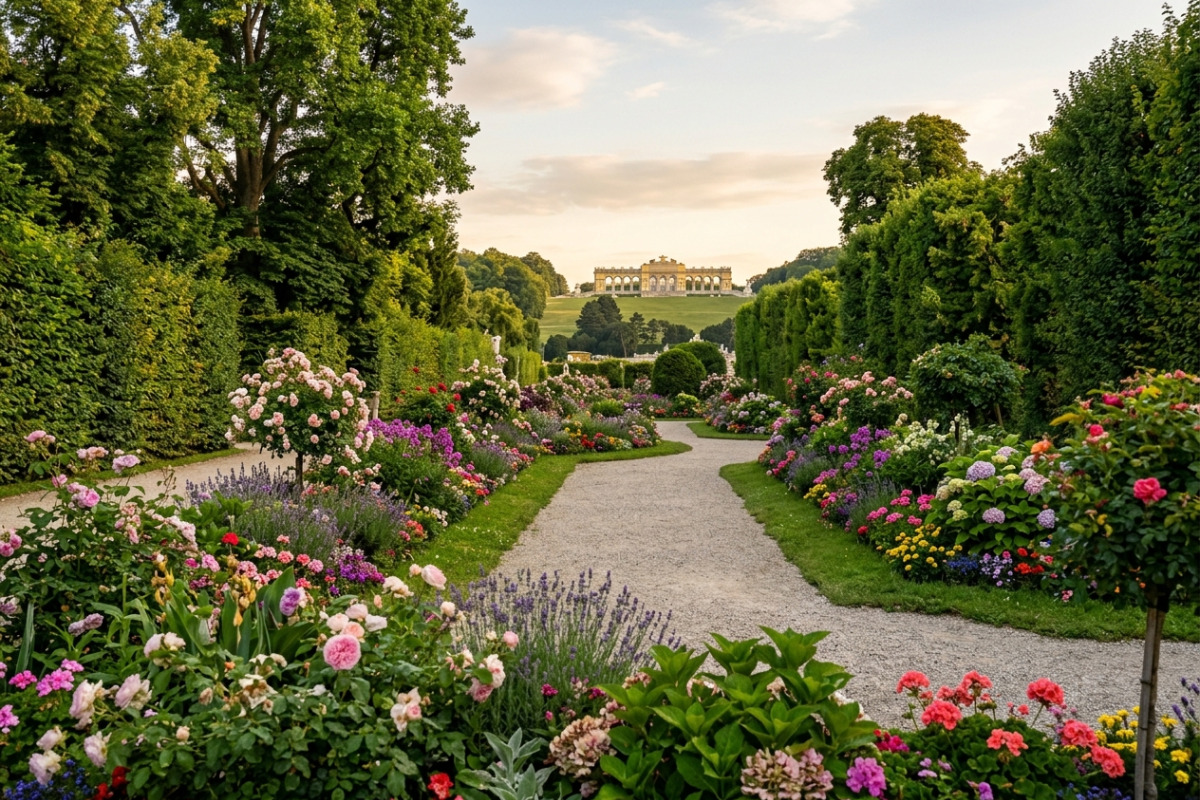
As you stroll through the gardens, you'll notice the influence of various horticultural styles, from the symmetrical parterres to the flowing lines of the garden's pathways. Each section of the gardens serves a purpose, showcasing different plant species that were favored by the royals for their beauty and rarity. The blending of these styles offers a unique perspective on how gardens can reflect cultural and historical narratives.
Unique Plant Species and Their Significance
One of the most fascinating aspects of the Schönbrunn Gardens is the diverse array of plant species that can be found here. From vibrant flowers to towering trees, the flora represents both native and exotic species, each selected for its aesthetic appeal and significance. For example, the beautiful tulips and roses not only add color but also symbolize love and elegance in the imperial context.
Among the standout features are the meticulously arranged flower beds, which change with the seasons, offering visitors a different experience throughout the year. The Palm House, home to tropical and subtropical plants, is another highlight that showcases the royal passion for botanical diversity. Understanding the significance of these plants adds depth to your visit, as you witness how flora was cherished and cultivated for centuries.
Practical Tips for Exploring the Gardens
To fully appreciate the enchanting flora of Schönbrunn Palace Gardens, consider visiting during spring or early summer when the flowers are in full bloom. Early mornings or late afternoons provide the best lighting for photography and a calmer atmosphere for exploring. Be sure to wear comfortable shoes, as the gardens cover a vast area, and there are numerous paths to discover.
Additionally, don't miss the opportunity to visit the Orangery, where you can learn more about the cultivation of exotic plants and their historical importance to the palace. For those looking to delve deeper into the gardens' layout and history, picking up a map at the entrance can enhance your experience and help you navigate through the various sections.
Preserving the Legacy of Schönbrunn's Gardens
The preservation of Schönbrunn Palace Gardens is a testament to the dedication of the Austrian government and conservationists who recognize its cultural and historical significance. Ongoing restoration efforts ensure that both the flora and the landscape remain intact for future generations to enjoy. Engaging with these efforts through guided tours or volunteer programs can deepen your appreciation for this royal garden.
In conclusion, the enchanting flora of Schönbrunn Palace Gardens offers a rich blend of history, beauty, and inspiration. Whether you are a nature enthusiast or a history buff, these gardens provide a unique opportunity to connect with the past while enjoying the present. To plan your visit, check out the tickets page for the latest information and ensure you don't miss this remarkable experience.