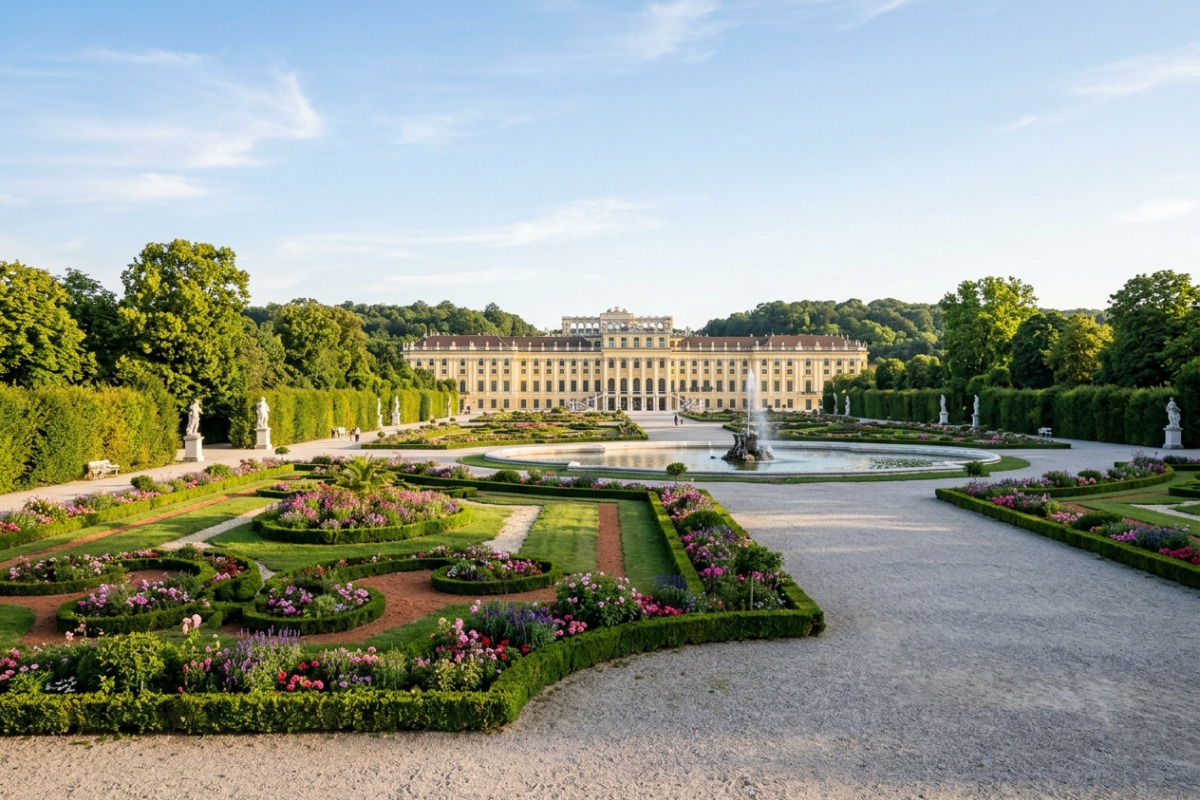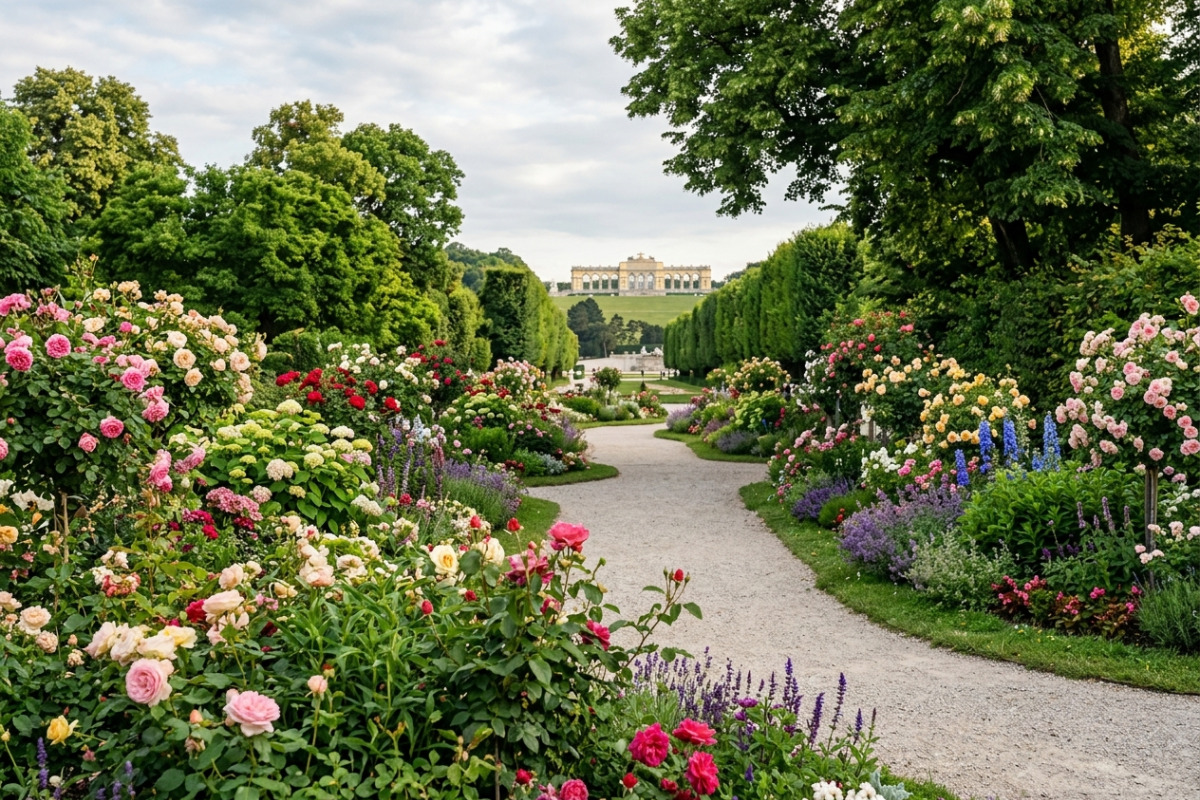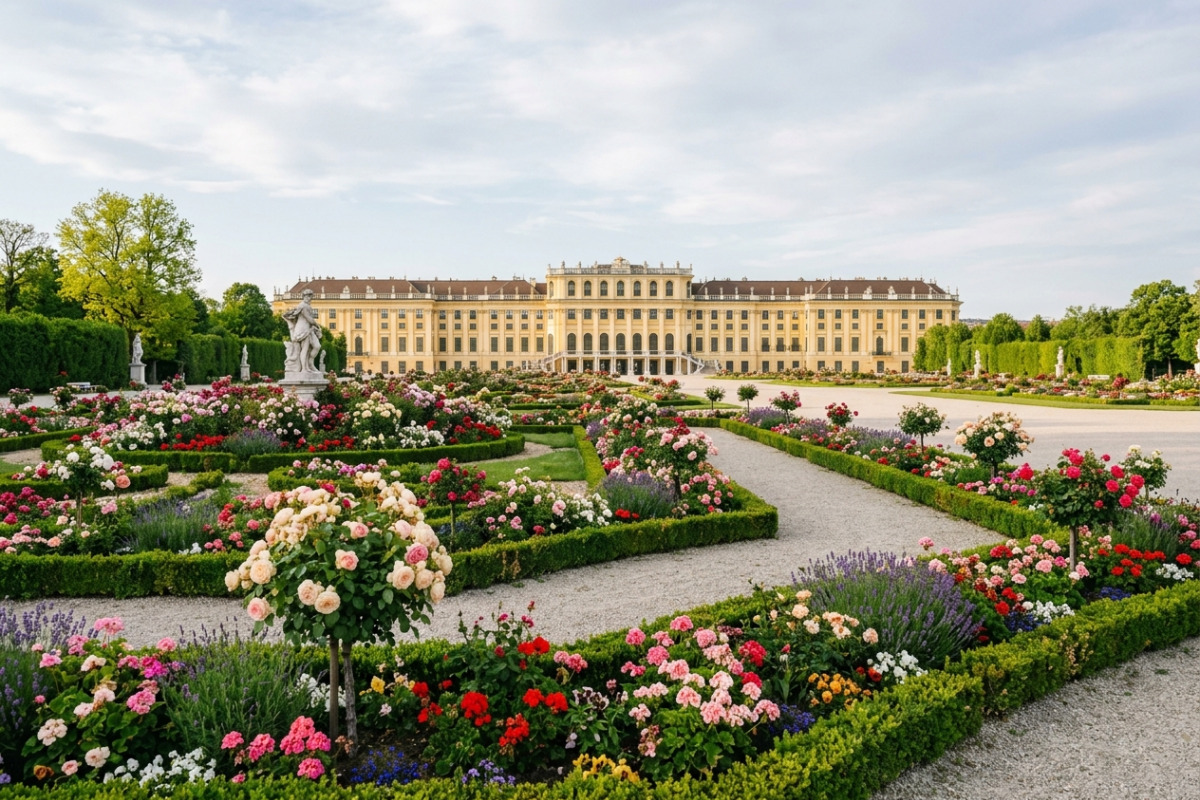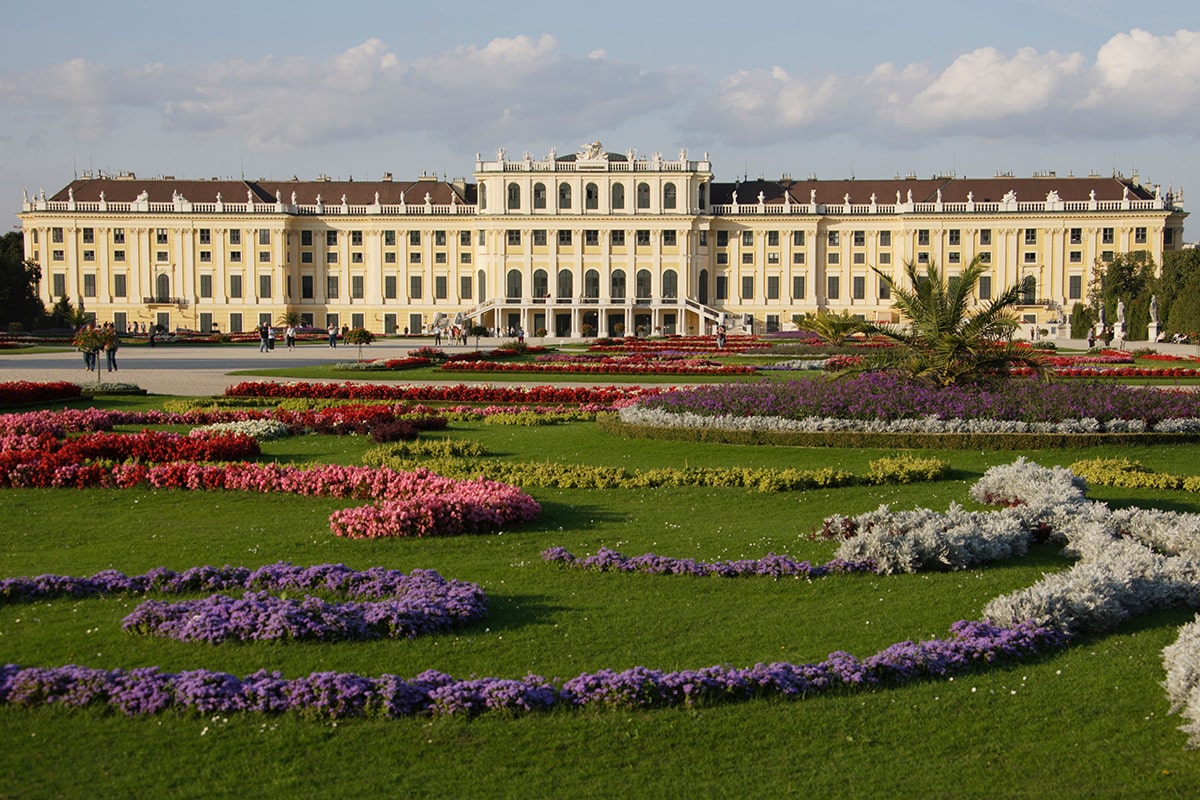
Stepping into the Schönbrunn Gardens is like entering a living masterpiece, a harmonious blend of nature and artistry meticulously crafted over centuries. More than just a picturesque backdrop to the magnificent Schönbrunn Palace, these gardens are a testament to the dedication, horticultural skill, and scientific understanding that goes into maintaining such an imperial landscape. Each season brings its own set of challenges and opportunities, transforming the gardens into a vibrant tapestry of color, texture, and fragrance.
A Year in the Life of Schönbrunn's Gardens
The gardening team at Schönbrunn operates year-round, their work dictated by the rhythm of the seasons. From the meticulous planning stages to the hands-on tasks of planting, pruning, and pest control, their expertise is essential to preserving the gardens' beauty.
Spring Awakening: Renewal and Rebirth
As winter loosens its grip, the gardens awaken with a burst of life. This is a crucial time for planting spring bulbs, such as tulips, daffodils, and hyacinths, which will provide a vibrant display of color. The team also focuses on preparing the soil, fertilizing plants, and pruning shrubs and trees to encourage healthy growth. The meticulous planning for the entire season is essential, ensuring that the garden's design is realized in full bloom. Consider planning your visit in spring to witness this explosion of color.
Summer Splendor: A Riot of Color
Summer is the season of abundance, when the gardens are in full bloom. The team works tirelessly to maintain the immaculate lawns, tend to the flowerbeds, and ensure that the plants receive adequate water and nutrients. Regular deadheading is essential to encourage continuous flowering. The summer months also require diligent pest and disease control to protect the plants from damage. The vibrant floral displays are a major draw for visitors, creating a truly unforgettable experience. Don’t forget to check the gardens opening times before planning your trip.
Autumnal Hues: Preparing for Winter
As the days grow shorter and the temperatures cool, the gardens undergo a transformation, displaying a stunning array of autumnal hues. The gardening team prepares the plants for the coming winter by mulching, pruning, and protecting them from frost. Fallen leaves are collected and composted, providing valuable nutrients for the soil. This is also a time for planting trees and shrubs, allowing them to establish their roots before the harsh winter months. The quieter atmosphere of autumn offers a unique perspective on the gardens' beauty.
Winter's Rest: Planning and Preparation
While the gardens may appear dormant during the winter months, the gardening team is busy planning for the next season. They analyze the performance of the previous year, identify areas for improvement, and develop new planting schemes. This is also a time for repairing garden structures, such as fences and pathways, and maintaining equipment. The quiet solitude of winter allows for reflection and preparation, ensuring that the gardens are ready to flourish in the spring. Learning more about the history of the gardens can add depth to your appreciation.
The Horticultural Expertise Behind the Beauty
Maintaining the Schönbrunn Gardens requires a deep understanding of horticulture, plant science, and landscape design. The gardening team possesses a wealth of knowledge and experience, passed down through generations. They are skilled in a wide range of techniques, including:
- Pruning: Shaping plants to promote healthy growth and flowering
- Fertilizing: Providing plants with the nutrients they need to thrive
- Pest and disease control: Protecting plants from damage
- Irrigation: Ensuring that plants receive adequate water
- Soil management: Maintaining healthy soil conditions
A Royal Garden for Everyone
The Schönbrunn Gardens are a source of inspiration for gardeners of all levels. Whether you have a sprawling estate or a small balcony garden, you can draw inspiration from the techniques and designs used at Schönbrunn. Consider incorporating some of the following elements into your own garden:
- Formal layouts: Create symmetrical designs with straight lines and geometric shapes.
- Topiary: Shape shrubs and trees into ornamental forms.
- Flowerbeds: Plant a variety of colorful flowers to create a vibrant display.
- Water features: Add fountains, ponds, or streams to create a sense of tranquility.
- Statuary: Incorporate sculptures and statues to add visual interest.
By applying these principles, you can transform your own garden into a royal oasis. Remember to check the Visiting Information for any special events or closures before your visit.
The Schönbrunn Gardens are a testament to the power of collaboration between art and science. The meticulous planning, horticultural expertise, and dedication of the gardening team ensure that this imperial landscape remains a breathtaking destination for generations to come. Visiting Schönbrunn Palace is a unique experience, and purchasing tickets in advance will save you time.