Schönbrunn Palace, a jewel in Vienna's crown, stands as a testament to centuries of history, power, and artistic brilliance. More than just a beautiful building, it's a living chronicle of the Habsburg dynasty, from its humble beginnings as a hunting lodge to its reign as the grand imperial summer residence. Let's embark on a journey through time to explore the fascinating evolution of this iconic landmark.
The Early Years: From Katterburg to Hunting Lodge
The story of Schönbrunn begins long before its imperial grandeur. In the early 14th century, the area was known as Katterburg, a property owned by the Klosterneuburg Abbey. Over the centuries, it changed hands, eventually falling into the possession of Emperor Maximilian II in 1569. He envisioned the area as a place for recreation and hunting, laying the foundation for what would eventually become the palace we know today. While today, the palace is a popular tourist attraction, it is important to remember its past.
It wasn't until the early 17th century that the estate acquired the name 'Schönbrunn,' meaning 'beautiful spring.' Legend has it that Emperor Matthias, while hunting in the area, discovered a particularly refreshing spring, inspiring the name. This idyllic setting provided the perfect backdrop for leisure activities, solidifying its role as a royal hunting retreat.
The Baroque Transformation: A Vision of Imperial Grandeur
The true transformation of Schönbrunn began under the reign of Empress Eleonora Gonzaga, the widow of Emperor Ferdinand II. She commissioned the construction of a palace on the site of the former hunting lodge. However, it was Maria Theresa who truly shaped Schönbrunn into the magnificent imperial residence it is today. In the mid-18th century, she oversaw a complete redesign and expansion of the palace, transforming it into a Baroque masterpiece. She also had a menagerie created on the grounds, which is now the oldest zoo in the world.
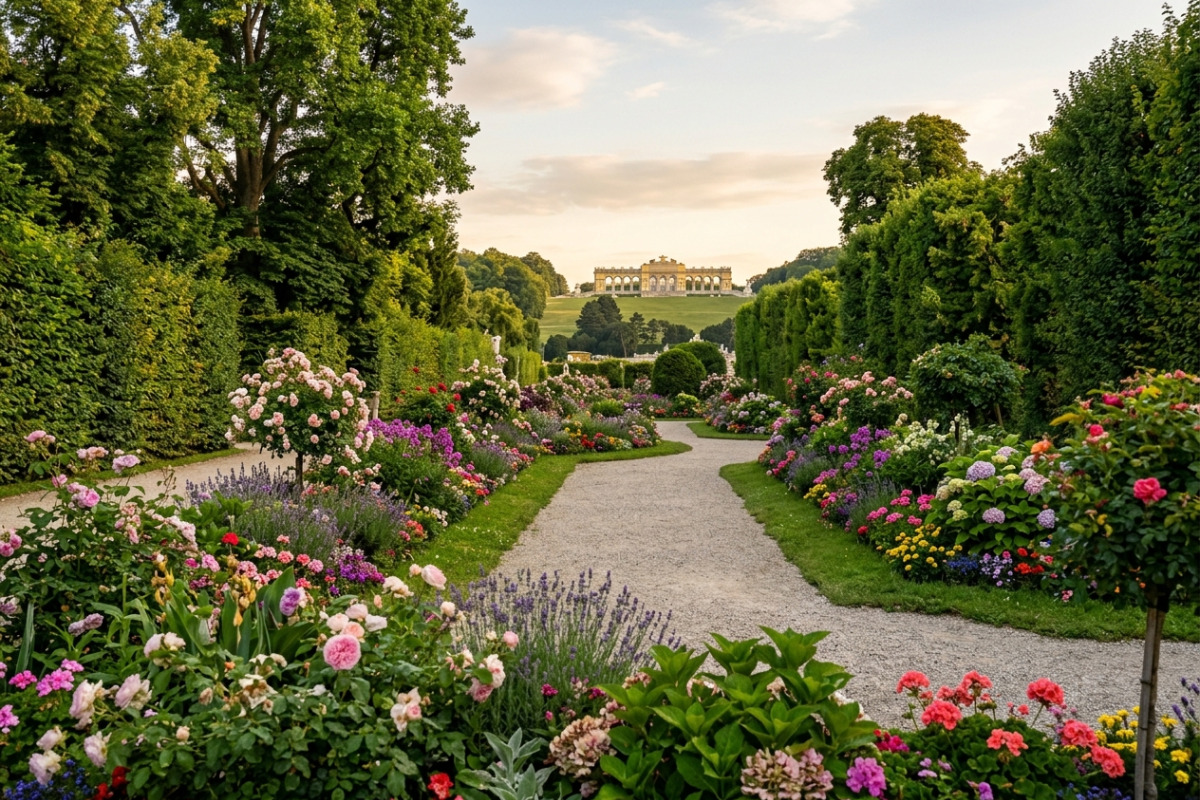
Under Maria Theresa's direction, architects like Nicolaus Pacassi and Johann Ferdinand Hetzendorf von Hohenberg contributed to the palace's stunning design. The interiors were lavishly decorated, reflecting the opulence and power of the Habsburg court. The gardens were also meticulously landscaped, creating a harmonious blend of nature and art. Today, you can still wander the Gardens and admire the Great Parterre, the Neptune Fountain, and the Gloriette, each a testament to Maria Theresa's vision.
Key Historical Figures and Events
Schönbrunn Palace has been witness to countless significant historical events and has been home to many influential figures. Here are a few notable examples:
- Maria Theresa: As mentioned above, she was instrumental in transforming Schönbrunn into an imperial residence.
- Napoleon Bonaparte: He occupied the palace twice, in 1805 and 1809, using it as his headquarters during the Napoleonic Wars. The Treaty of Schönbrunn was also signed here in 1809, marking a significant moment in Napoleonic history.
- Emperor Franz Joseph I: He was born at Schönbrunn and spent much of his life there, making it the center of the Habsburg Empire during his long reign. His marriage to Elisabeth of Bavaria, affectionately known as Sisi, also took place here, further cementing the palace's place in Austrian history.
- The Congress of Vienna (1814-1815): This pivotal event, which reshaped Europe after the Napoleonic Wars, was hosted, in part, at Schönbrunn Palace. Many dignitaries and heads of state stayed at the palace during the congress, making it a hub of political activity.
- The Death of Napoleon II: Napoleon Bonaparte's only legitimate son, Napoleon II, also known as the Duke of Reichstadt, spent his final years at Schönbrunn Palace and died there in 1832.
Architectural Highlights and Garden Delights
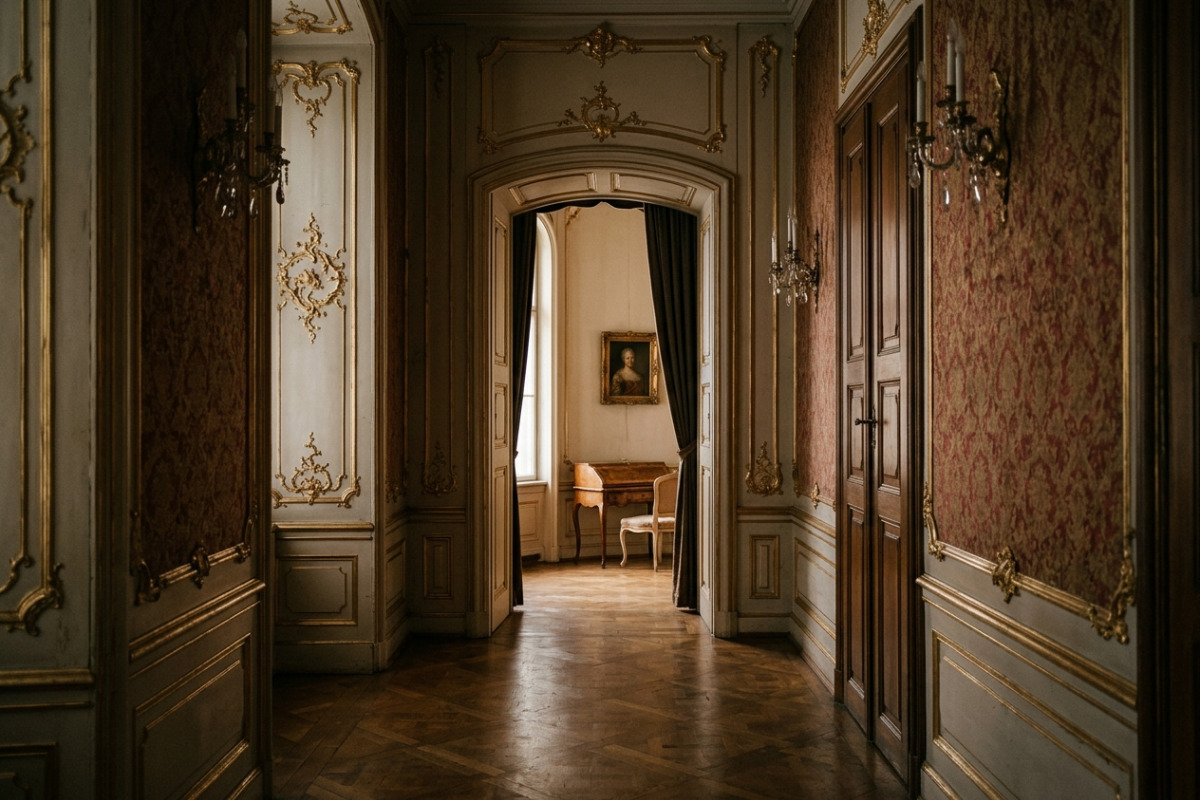
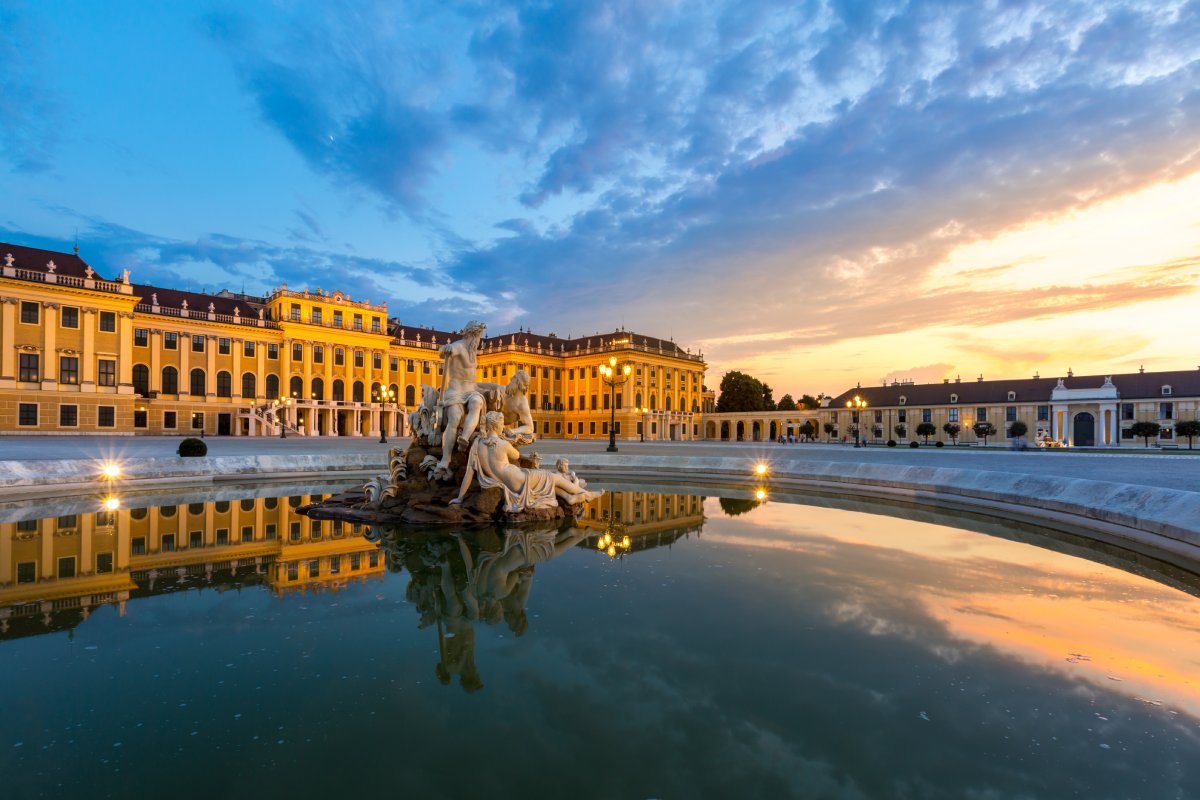
Schönbrunn Palace boasts a wealth of architectural marvels and garden features that continue to captivate visitors from around the world. The palace's facade, with its iconic yellow color, is a striking example of Baroque architecture. Inside, the state rooms are adorned with elaborate frescoes, gilded stucco work, and exquisite furnishings. The Hall of Mirrors, where Mozart famously performed as a child, is a particular highlight.
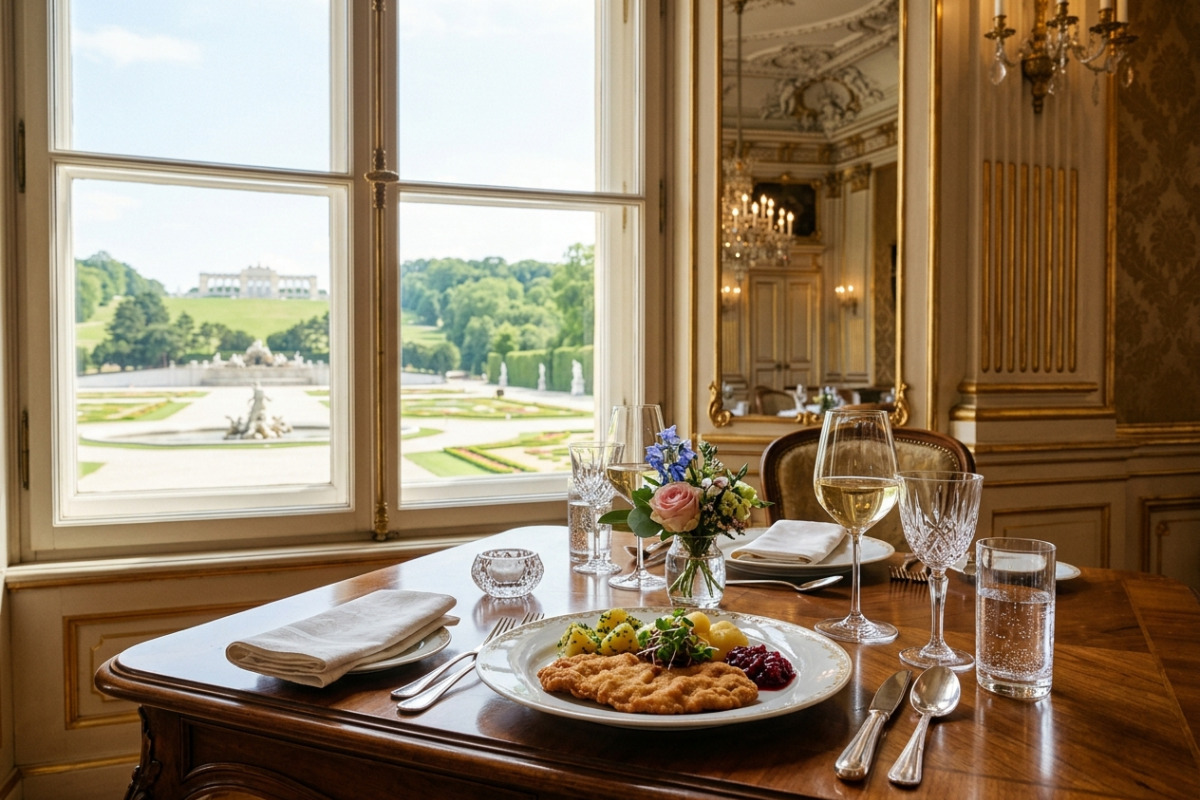
The gardens are equally impressive, offering a variety of landscapes and attractions. The Great Parterre, a vast expanse of manicured lawns and flowerbeds, provides a stunning vista. The Neptune Fountain, with its dramatic sculptures, is a focal point of the gardens. And the Gloriette, perched atop a hill, offers panoramic views of the palace and the city of Vienna. For those interested in seeing these attractions, consider purchasing Tickets in advance.
Here's a quick overview of some of the key areas to explore:
| Area | Description |
| State Rooms | Lavishly decorated rooms showcasing the opulence of the Habsburg court. |
| Great Parterre | A vast expanse of manicured lawns and flowerbeds. |
| Neptune Fountain | A dramatic fountain featuring sculptures of Neptune and other mythological figures. |
| Gloriette | A monumental arch offering panoramic views of the palace and Vienna. |
| Maze & Labyrinth | Fun for all ages, these offer a playful diversion in the gardens. |
Schönbrunn Palace Today: A UNESCO World Heritage Site
Today, Schönbrunn Palace stands as a UNESCO World Heritage Site, attracting millions of visitors each year. It serves as a reminder of the Habsburg dynasty's power and influence, as well as a testament to the enduring beauty of Baroque architecture and garden design. Visitors can explore the palace's state rooms, wander through its magnificent gardens, and learn about its rich history. You can find all the Visiting Information on the official website.
The palace continues to be a significant cultural and historical landmark, hosting events, concerts, and exhibitions throughout the year. It's a place where history comes alive, offering a glimpse into the lives of emperors and empresses, and a celebration of art, architecture, and the enduring legacy of the Habsburgs. Exploring the Attractions around the palace is a must-do when visiting Vienna.
Whether you're a history buff, an architecture enthusiast, or simply looking for a beautiful place to explore, Schönbrunn Palace offers something for everyone. Its journey through the ages, from hunting lodge to imperial residence, is a story worth discovering.