The dining experiences of the Habsburgs epitomized luxury and sophistication, reflecting their immense power and wealth. From lavish banquets to strict court etiquette, the meals served at imperial tables were more than just nourishment; they were displays of status and culture. Understanding how the royals lived during this grand historical period offers fascinating insights into their societal structures and values.
Banquet Splendor: A Royal Feast
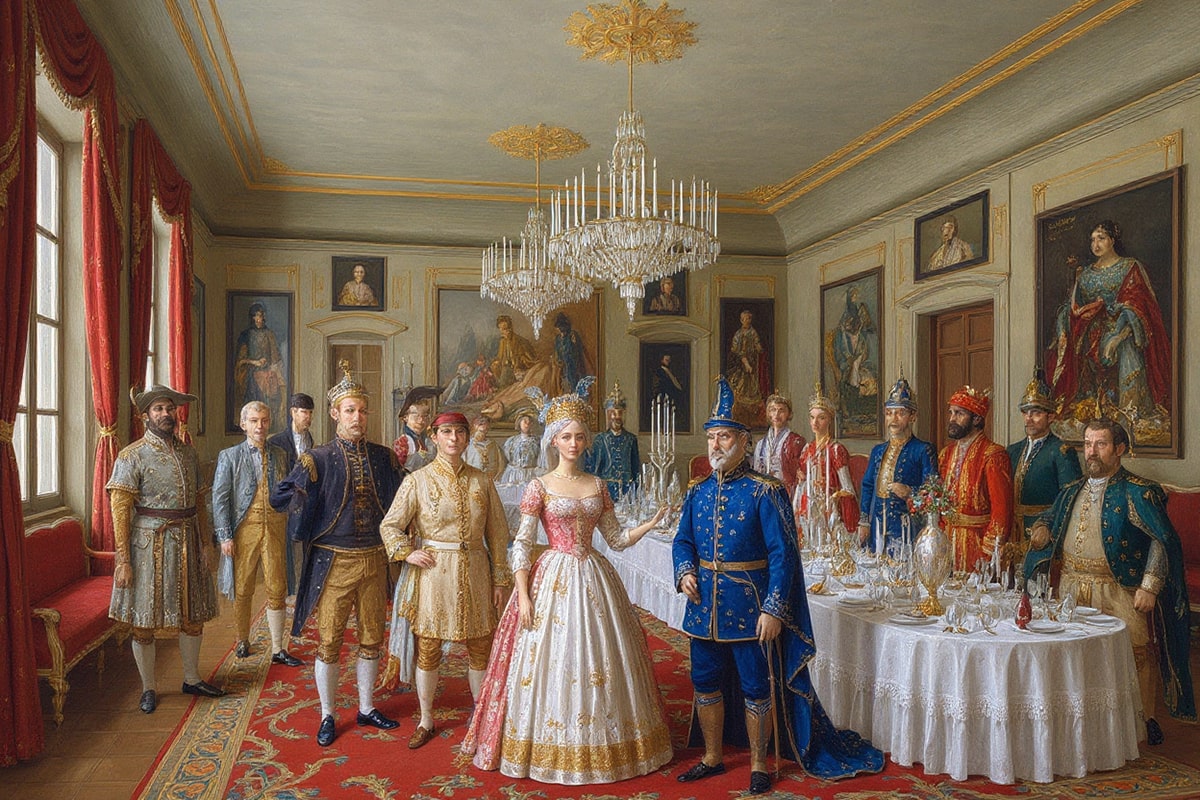
Imperial banquets were elaborate events characterized by their abundance and extravagance. The Habsburgs hosted numerous lavish feasts, where the presentation of food was as crucial as the dishes themselves. Each banquet was meticulously planned, reflecting the culinary arts of the time and the grandeur of the empire. Here are some key elements that defined Habsburg banquets:
- Lavish Dishes: Unique and gourmet items, often including exotic ingredients imported from around the world.
- Beautiful Presentation: Food was served in ornate styles, decorated with intricate garnishes, and showcased on extravagant tableware.
- Numerous Courses: A banquet could consist of up to fifteen courses, allowing guests to sample a variety of flavors and dishes.
- Entertainment: Musicians and performers often accompanied meals, enhancing the festive atmosphere.
The Role of Food in Diplomacy
Food played a significant role in Habsburg diplomacy, acting as a means to forge alliances and strengthen relationships. By extending banquet invitations to foreign dignitaries, the Habsburgs utilized culinary gatherings to promote peace and camaraderie. The meals served were carefully curated to impress and honor guests, showcasing a blend of regional cuisines from across the empire.
Understanding Court Etiquette
Dining among the Habsburgs was governed by a strict set of rules and etiquette that reflected the social hierarchy of the court. Guests were expected to adhere to specific behaviors that dictated their interactions during meals:
- Seating Arrangements: Places at the table were assigned based on rank, with the highest officials seated nearest to the emperor.
- Formal Greetings: Guests were required to greet the hosts formally before taking their seats, often including a deep bow.
- Utensil Usage: The proper usage of utensils and tableware was paramount, with specific rules dictating which utensils to use for each course.
- Conversation Topics: Discussions during meals were often limited to light topics, avoiding controversy or politics to maintain a cordial atmosphere.
Mealtime Rituals
Each meal featured a series of rituals that highlighted the grandeur of Habsburg dining. The ritualistic nature of these meals helped reinforce the authority of the emperor and the importance of hierarchy:
- Opening Toasts: The meal would usually begin with toasts led by the emperor, setting the tone for the evening.
- Course Presentations: The presentation of each course was an event in itself, often accompanied by music or poetry readings.
- Service Protocol: Servants were trained to observe the intricate details of service, ensuring that dishes were served at the correct temperature and timing.
- Closing Rituals: Formal acknowledgments and thanks were expressed at the end of the banquet, highlighting the tradition of hospitality.
The Legacy of Habsburg Dining
The dining customs of the Habsburgs have left a lasting impact on European culinary practices and court etiquette. Their attention to detail set standards that influenced royal courts throughout Europe: the opulence of their banquets, the complexities of etiquette, and the focus on diplomacy through dining have endured across centuries. Modern visitors to historical sites often find themselves fascinated by these rituals, eagerly learning how royals lived in an age marked by grandeur and sophistication.
Conclusion
The grandeur of Habsburg dining experiences paints a vivid picture of royal life that continues to captivate our imagination. From the opulent banquets filled with exquisite dishes to the strict codes of etiquette that governed every aspect of meal-sharing, understanding these elements provides a glimpse into the lives of those who once ruled with splendor. Exploring this fascinating intersection of food and power not only enriches our knowledge of history but also enhances our appreciation for the culinary arts that have evolved over time.